Effective HVAC maintenance is not merely a reactive measure against system failure; it is a proactive strategy for preserving operational efficiency, extending equipment lifespan, and managing energy costs. Property owners and facility managers understand that neglecting heating, ventilation, and air conditioning systems leads to increased utility bills, premature equipment replacement, and uncomfortable indoor environments. Recognizing common HVAC maintenance examples provides a clear framework for establishing a preventative schedule that minimizes unexpected breakdowns and optimizes system performance throughout the year. Recognizing common HVAC maintenance examples provides a clear framework for establishing a preventative schedule that minimizes unexpected breakdowns and optimizes system performance, which is a core concept in our beginner's guide.
Understanding Core HVAC Maintenance Activities
Regular maintenance encompasses a range of specific tasks designed to keep HVAC components functioning correctly. These activities address wear and tear, prevent common issues, and ensure the system operates within manufacturer specifications. Implementing these examples systematically helps maintain air quality, consistent temperatures, and energy efficiency.
- Air Filter Replacement: This is perhaps the most frequent and critical maintenance task. Filters trap dust, pollen, pet dander, and other airborne particles, preventing them from circulating through the building and accumulating on internal components. A clogged filter restricts airflow, forcing the system to work harder, which increases energy consumption and reduces efficiency. Filters should be checked monthly and replaced every 1-3 months, depending on usage, occupancy, and presence of pets.
- Coil Cleaning: Both the evaporator coil (indoor unit) and condenser coil (outdoor unit) play vital roles in heat exchange. Over time, these coils accumulate dirt and debris, which insulates them and impedes their ability to transfer heat effectively. Clean coils ensure optimal cooling and heating capacity, preventing the system from overworking. Professional cleaning typically involves specialized coil cleaners and brushes.
- Condensate Drain Line Clearing: The condensate drain removes moisture collected by the evaporator coil. If this line becomes clogged with algae, mold, or debris, water can back up, leading to leaks, water damage, and increased humidity. Clearing the drain line, often with a dilute bleach solution or a specialized tablet, prevents blockages and ensures proper drainage.
- Blower Motor Inspection and Lubrication: The blower motor circulates conditioned air throughout the ductwork. Regular inspection ensures the motor runs smoothly. Older motors may require lubrication of bearings to prevent friction and premature wear. Proper lubrication reduces noise, extends motor life, and maintains consistent airflow.
- Thermostat Calibration: An accurately calibrated thermostat ensures the HVAC system responds correctly to desired temperature settings. Inaccurate readings can lead to the system running unnecessarily or failing to reach set points, wasting energy. Checking calibration against a reliable thermometer and adjusting as needed ensures precise temperature control.
- Refrigerant Level Check: For air conditioning units and heat pumps, maintaining the correct refrigerant charge is crucial for efficient cooling. Low refrigerant levels indicate a leak, which reduces cooling capacity and increases energy consumption. A professional technician can check levels, identify leaks, and recharge the system if necessary.
- Electrical Connection Inspection: Loose or corroded electrical connections can lead to system malfunctions, safety hazards, and reduced efficiency. Technicians inspect all wiring and connections, tightening any loose terminals and cleaning corroded points to ensure safe and reliable operation.
- Ductwork Inspection: Leaks in ductwork can account for significant energy loss, as conditioned air escapes into unconditioned spaces. Inspecting ducts for gaps, tears, or disconnections, and sealing them with mastic or foil tape, improves airflow efficiency and reduces utility costs.
- Ignition System Check (Furnaces): For gas furnaces, the ignition system (pilot light or electronic igniter) is essential for safe and reliable heating. Regular checks ensure proper function, preventing delayed ignition or complete heating failure.
Pro Tip: Never attempt to handle refrigerant or perform complex electrical repairs yourself. Refrigerant is a hazardous chemical that requires specific handling and disposal procedures, and improper electrical work can lead to serious injury or fire. Always defer these tasks to certified HVAC professionals.
Seasonal Maintenance Examples
Tailoring maintenance efforts to specific seasons ensures the system is prepared for peak demand periods, whether for heating or cooling.
Spring and Summer Preparations (Cooling Focus)
Before the summer heat arrives, focus on tasks that optimize your air conditioning system:
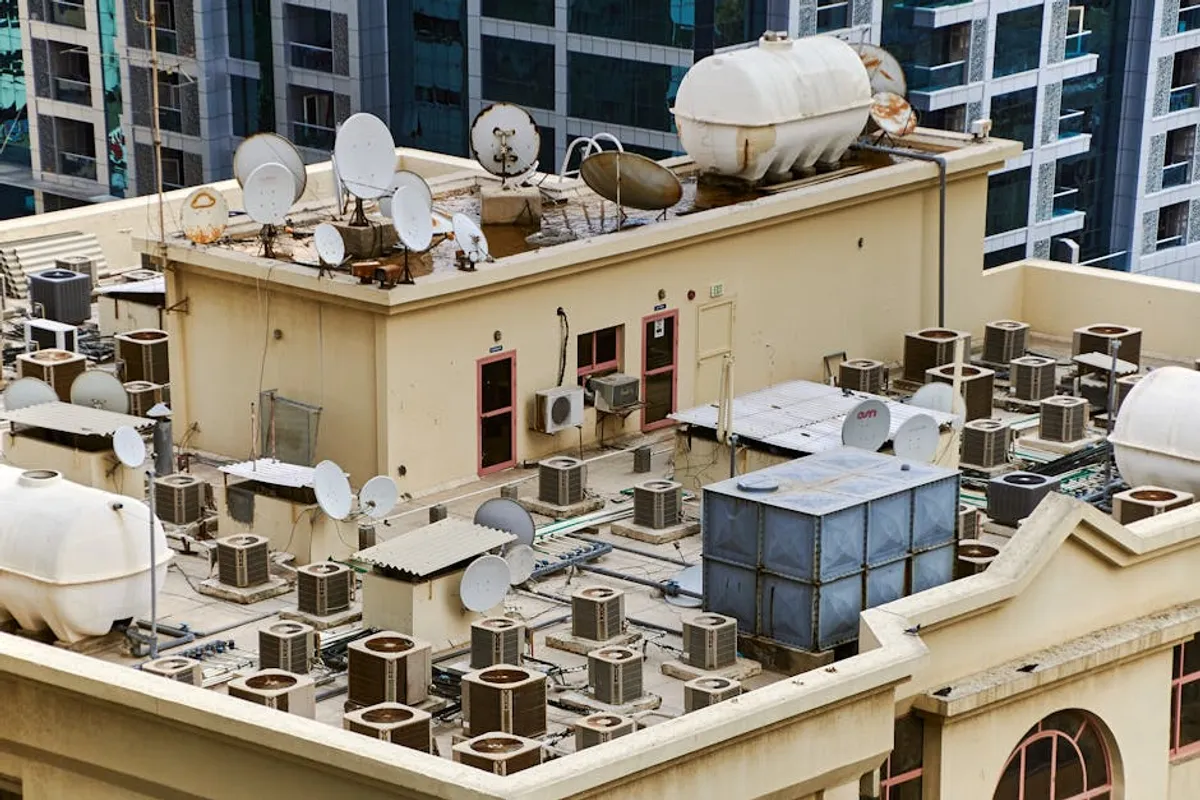
- Condenser Unit Cleaning: Clear away leaves, grass clippings, and debris from around the outdoor condenser unit. Ensure at least two feet of clearance on all sides for proper airflow. This prevents the unit from overheating and improves efficiency.
- Evaporator Coil Cleaning: As mentioned, this indoor coil can accumulate dust. A professional cleaning ensures maximum heat absorption from the indoor air.
- Refrigerant Charge Verification: A technician will check the refrigerant levels and pressure, ensuring the system has the correct charge for optimal cooling.
- Fan Motor and Blade Inspection: Inspect the outdoor fan motor and blades for any signs of wear or damage. Clean the blades to remove dirt and ensure balanced operation.
- Drain Pan and Line Clearance: Confirm the condensate drain pan is clear and the line is free of blockages to prevent water overflow.
Fall and Winter Preparations (Heating Focus)
Prior to colder temperatures, shift focus to heating system readiness:
- Furnace Burner Cleaning: For gas furnaces, clean the burners to ensure efficient combustion and proper flame appearance. Dirty burners can lead to incomplete combustion and reduced heating efficiency.
- Heat Exchanger Inspection: A critical safety check, inspecting the heat exchanger for cracks or corrosion is essential. Cracks can allow carbon monoxide to leak into the living space.
- Gas Line and Connections Check: Ensure all gas connections are secure and free of leaks. A professional can perform a leak detection test.
- Ignition System and Safety Controls Test: Verify that the pilot light or electronic igniter functions correctly and that all safety switches (e.g., limit switch, flame sensor) are operational.
- Ductwork Sealing: Re-inspect and seal any duct leaks to prevent heat loss into unconditioned areas like attics or crawl spaces.
Establishing a Preventative Maintenance Schedule
Implementing these maintenance examples through a structured schedule minimizes emergency repairs and extends the operational life of HVAC equipment. Annual professional tune-ups, typically conducted in the spring for AC and fall for heating, are often complemented by monthly or quarterly user-level tasks like filter changes. This dual approach ensures both the complex, safety-critical components and the routine wear-and-tear items are addressed consistently. The investment in preventative maintenance consistently yields returns in the form of lower energy bills, improved indoor comfort, and reduced capital expenditure on premature equipment replacement. Implementing these maintenance examples through a structured schedule minimizes emergency repairs and extends the operational life of HVAC equipment, and you can find a comprehensive HVAC maintenance checklist to help manage this.
Frequently Asked Questions About HVAC Maintenance
How often should HVAC maintenance be performed?
HVAC systems should receive professional maintenance at least once a year, ideally twice: once in the spring for the cooling system and once in the fall for the heating system. User-level tasks, such as changing air filters, should be performed monthly or every 1-3 months depending on usage and environmental factors.
What are the benefits of regular HVAC maintenance?
Regular maintenance offers several key benefits: it improves energy efficiency, leading to lower utility bills; extends the lifespan of the equipment; enhances indoor air quality; reduces the likelihood of unexpected breakdowns; and maintains consistent heating and cooling performance.
Can I perform HVAC maintenance myself, or do I need a professional?
Some basic maintenance tasks, like changing air filters, clearing debris from around the outdoor unit, and ensuring clear condensate drains, can often be performed by a homeowner. However, tasks involving refrigerant, electrical components, heat exchangers, or complex diagnostics require the expertise and specialized tools of a certified HVAC professional for safety and effectiveness.
What does a typical professional HVAC tune-up include?
A professional tune-up typically includes cleaning coils, checking refrigerant levels and pressures, inspecting electrical connections, lubricating moving parts, checking thermostat calibration, inspecting ductwork, and verifying safety controls. The specific tasks will vary slightly depending on whether the focus is on the heating or cooling system.