Businesses and property owners face increasing pressure to manage operational costs, mitigate environmental impact, and enhance long-term asset value. Energy efficiency offers a direct pathway to addressing these challenges, moving beyond simple cost-cutting to a strategic approach for operational resilience and market positioning. This overview details the fundamental principles, key implementation areas, and the comprehensive benefits derived from integrating energy efficiency into daily operations and capital planning.
Understanding Energy Efficiency
Energy efficiency refers to using less energy to perform the same task or provide the same service. It differs fundamentally from energy conservation, which involves reducing energy consumption by altering behavior (e.g., turning off lights). Efficiency focuses on technological and systemic improvements that deliver equivalent or superior output with reduced input. For instance, replacing incandescent bulbs with LEDs is an efficiency upgrade, providing the same light output for significantly less electricity. This distinction is critical for businesses aiming to maintain or improve service levels while reducing energy expenditure.
Core Principles of Efficient Energy Use
- Minimizing Waste: Identifying and eliminating unnecessary energy consumption, such as phantom loads from electronics or heat loss through poorly insulated building envelopes.
- Optimizing Systems: Ensuring that equipment and processes operate at their peak efficiency, often through regular maintenance, calibration, and smart controls.
- Leveraging Technology: Adopting advanced solutions like high-efficiency HVAC units, smart thermostats, variable frequency drives, and LED lighting systems.
- Integrating Renewables: While not strictly efficiency, incorporating on-site renewable generation (e.g., solar PV) often complements efficiency measures by reducing grid reliance and further lowering operational costs.
Key Implementation Areas for Businesses
Achieving significant energy efficiency requires a multi-faceted approach, targeting the primary energy consumers within a commercial or industrial setting.
Building Envelope Enhancements
The building envelope – walls, roof, windows, and foundation – acts as the primary barrier between indoor and outdoor environments. Improving its thermal performance directly reduces heating and cooling loads.
Specific Measures:
- Insulation Upgrades: Increasing R-values in attics, walls, and crawl spaces minimizes heat transfer.
- High-Performance Windows: Double or triple-pane windows with low-emissivity (Low-E) coatings reduce solar heat gain in summer and heat loss in winter.
- Air Sealing: Sealing gaps and cracks around windows, doors, and utility penetrations prevents uncontrolled air leakage, which can account for a significant portion of energy loss.
HVAC System Optimization
Heating, ventilation, and air conditioning (HVAC) systems are typically the largest energy consumers in commercial buildings. Efficiency gains here yield substantial returns.
Specific Measures:
- High-Efficiency Units: Replacing older, less efficient furnaces, boilers, and chillers with Energy Star-rated models.
- Smart Thermostats and Controls: Programmable thermostats, zone controls, and building management systems (BMS) allow for precise temperature regulation and scheduling, avoiding unnecessary heating or cooling.
- Regular Maintenance: Routine cleaning, filter replacement, and system tuning ensure optimal performance and extend equipment lifespan.
- Variable Frequency Drives (VFDs): Installing VFDs on motors in HVAC systems allows them to adjust speed based on demand, significantly reducing energy consumption compared to constant-speed operation.
Advanced Lighting Solutions
Lighting accounts for a considerable portion of electricity use in many commercial spaces. Modern lighting technologies offer immediate and measurable savings.
Specific Measures:
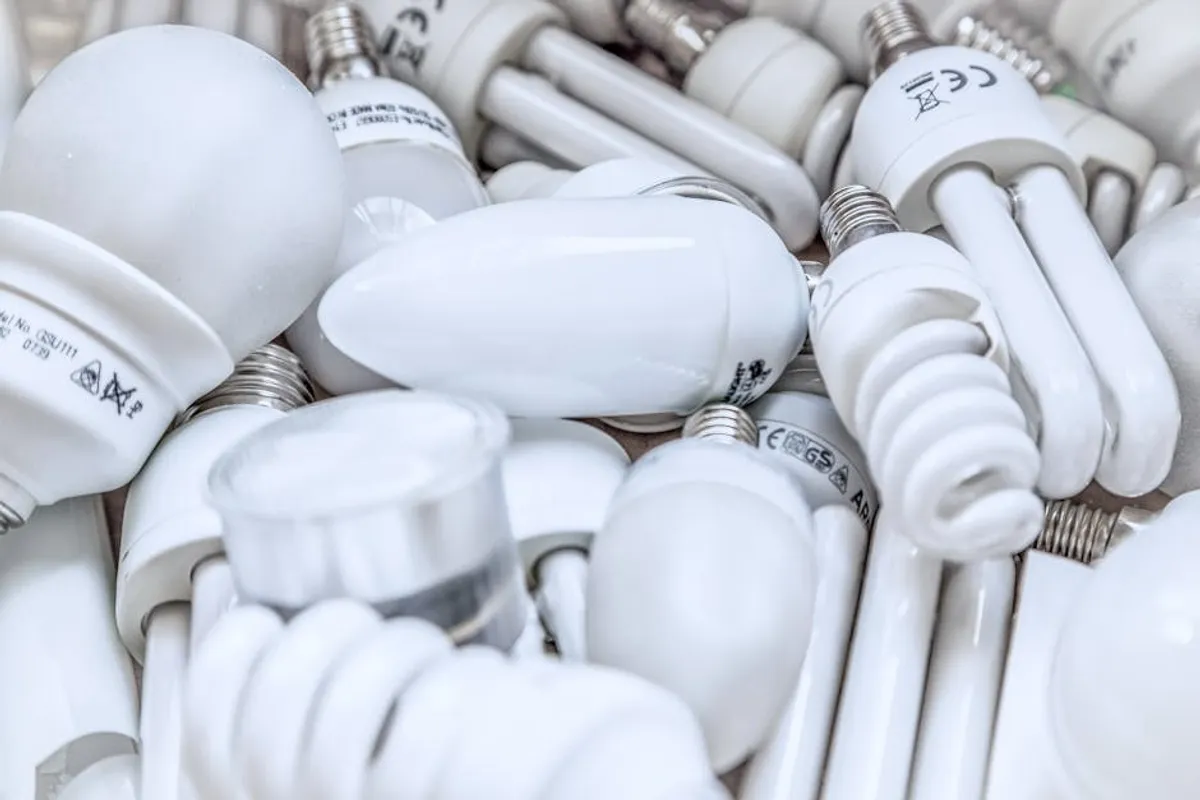
- LED Retrofits: Replacing traditional fluorescent or incandescent fixtures with light-emitting diodes (LEDs) reduces electricity consumption by 50-80% while offering longer lifespans and better light quality.
- Occupancy Sensors: Installing sensors in low-traffic areas (e.g., restrooms, storage rooms) ensures lights are only on when needed.
- Daylight Harvesting: Utilizing natural light through intelligent controls that dim or turn off artificial lights when sufficient daylight is available.
Efficient Appliances and Equipment
From office equipment to industrial machinery, selecting energy-efficient models and managing their use contributes to overall savings.
Specific Measures:
- Energy Star Rated Products: Prioritizing Energy Star certified computers, printers, refrigerators, and other appliances.
- Power Management Settings: Configuring computers and monitors to enter sleep mode after periods of inactivity.
- Process Optimization: In industrial settings, optimizing production schedules, reducing idle times for machinery, and recovering waste heat can lead to substantial energy reductions.
Pro Tip: Before investing in major equipment upgrades, conduct a professional energy audit. This identifies the most impactful areas for improvement, quantifies potential savings, and prioritizes projects based on return on investment, preventing misdirected capital expenditure.
Benefits Beyond Direct Cost Savings
While reduced utility bills are a primary driver, the advantages of energy efficiency extend much further, impacting an organization's bottom line, reputation, and operational stability.
Enhanced Financial Performance
Lower operating expenses directly improve profitability. Furthermore, energy efficiency projects often have attractive payback periods and can increase property value.
Reduced Environmental Footprint
By consuming less energy, businesses reduce their demand for fossil fuels, leading to lower greenhouse gas emissions and a smaller carbon footprint. This aligns with corporate social responsibility goals and can attract environmentally conscious customers and investors.
Improved Occupant Comfort and Productivity
Consistent temperatures, better air quality, and optimized lighting contribute to a more comfortable and healthier indoor environment. This can lead to increased employee satisfaction, reduced absenteeism, and higher productivity.
Operational Resilience and Risk Mitigation
Reduced energy consumption lessens exposure to volatile energy prices and potential supply disruptions. Diversifying energy sources or becoming more self-sufficient through efficiency and on-site generation builds resilience.
Regulatory Compliance and Brand Reputation
Many jurisdictions are implementing stricter energy performance standards for buildings. Proactive efficiency measures ensure compliance, avoid penalties, and enhance a company's public image as a responsible and forward-thinking entity. This can be a significant competitive differentiator in the market.
Strategic Integration for Long-Term Value
Implementing energy efficiency is not a one-time project but an ongoing strategy. Begin with a comprehensive energy audit to establish a baseline and identify high-impact opportunities. Prioritize improvements based on cost-effectiveness and organizational goals. Explore available incentives, such as government grants, utility rebates, and tax credits, which can significantly reduce upfront capital costs. Finally, establish a system for continuous monitoring and measurement to track progress, identify new areas for improvement, and ensure sustained performance over time. This iterative approach ensures that energy efficiency becomes an ingrained part of operational excellence, delivering compounding benefits for years.
Frequently Asked Questions
What is the difference between energy efficiency and energy conservation?
Energy efficiency focuses on using technology and design to perform the same task with less energy input (e.g., LED lighting). Energy conservation involves behavioral changes to reduce overall energy consumption (e.g., turning off lights when leaving a room).
What are the first steps a business should take to improve energy efficiency?
The most effective first step is to conduct a professional energy audit. This assessment identifies where energy is being consumed, pinpoints inefficiencies, and recommends specific improvements with estimated cost savings and payback periods.
Are there financial incentives available for energy efficiency upgrades?
Yes, many governments, local utilities, and non-profit organizations offer financial incentives such as grants, rebates, tax credits, and low-interest loans to encourage businesses to invest in energy-efficient technologies and practices.
How quickly can a business see a return on investment from energy efficiency projects?
The payback period varies widely depending on the specific project, its upfront cost, and the amount of energy saved. Simple upgrades like LED lighting retrofits can have payback periods of 1-3 years, while larger HVAC system replacements might take 5-7 years or more. Energy audits help prioritize projects with the quickest returns.