
Indoor air quality (IAQ) is not a luxury; it is a foundational element for occupant health, productivity, and the operational integrity of any enclosed space. Often invisible and odorless, poor IAQ can silently erode well-being, diminish cognitive function, and contribute to significant long-term costs through absenteeism, decreased efficiency, and potential regulatory non-compliance. Addressing IAQ effectively requires moving beyond reactive measures to a proactive, informed strategy that integrates assessment, mitigation, and ongoing monitoring. This overview details the components of IAQ, its impacts, and actionable frameworks for improvement, providing a clear path for businesses and property managers to safeguard their environments. Implementing these strategies is key to ensuring the overall well-being of building occupants through best practices for maintaining healthy indoor air.
Defining Indoor Air Quality and Its Common Contaminants
Indoor air quality refers to the air within and around buildings and structures, specifically as it relates to the health and comfort of building occupants. Good IAQ means the air is free from harmful levels of pollutants, allergens, and irritants, maintaining appropriate temperature and humidity levels. Poor IAQ, conversely, indicates the presence of substances that can negatively affect health, comfort, and performance.
Common Indoor Air Pollutants
The range of indoor air pollutants is diverse, originating from various sources both inside and outside a building. Understanding these categories is the first step in effective management:
- Volatile Organic Compounds (VOCs): Emitted as gases from certain solids or liquids. VOCs include a variety of chemicals, some of which may have short- and long-term adverse health effects. Sources include paints, varnishes, wax, cleaning supplies, disinfectants, building materials, and furnishings.
- Particulate Matter (PM): Tiny solid particles or liquid droplets in the air. PM2.5 (particles less than 2.5 micrometers in diameter) and PM10 (less than 10 micrometers) are of particular concern due to their ability to penetrate deep into the lungs. Sources include dust, pollen, pet dander, combustion byproducts (e.g., from cooking, candles, fireplaces), and outdoor air infiltration.
- Biological Contaminants: Living organisms or their byproducts. These include mold, mildew, bacteria, viruses, dust mites, and pet dander. They thrive in damp, warm environments and can trigger allergic reactions, asthma attacks, and infectious diseases.
- Carbon Monoxide (CO): An odorless, colorless gas produced by incomplete combustion. Sources include unvented kerosene and gas space heaters, leaking chimneys, and back-drafting from furnaces. It is highly toxic even at low concentrations.
- Radon: A naturally occurring radioactive gas that can seep into buildings from the ground. It is colorless, odorless, and tasteless, and prolonged exposure is a leading cause of lung cancer among non-smokers.
- Formaldehyde: A colorless, pungent-smelling gas. It is found in pressed-wood products (particleboard, plywood, fiberboard), glues, and some insulation materials. It can cause eye, nose, and throat irritation, and is a suspected carcinogen.
Impacts of Substandard Indoor Air Quality
The consequences of neglecting IAQ extend beyond minor discomfort, affecting occupant health, operational efficiency, and financial bottom lines.
Health Implications
Exposure to poor IAQ can lead to a spectrum of health issues, often categorized as "Sick Building Syndrome" (SBS) or Building-Related Illness (BRI). SBS symptoms, such as headaches, dizziness, nausea, eye/nose/throat irritation, and fatigue, are often non-specific and improve upon leaving the building. BRI, however, refers to specific, diagnosable illnesses (e.g., Legionnaires' disease, asthma, hypersensitivity pneumonitis) that can be directly attributed to airborne contaminants within a building.
Business and Operational Effects
For businesses, poor IAQ translates directly into tangible costs. Decreased employee productivity, increased absenteeism due to illness, and higher healthcare costs are common. Customer experience can also suffer in retail or hospitality settings. Property owners may face accelerated degradation of building materials and systems due to excessive humidity or mold growth, alongside potential legal liabilities if IAQ issues are severe and unaddressed.
Pro Tip: When evaluating IAQ, prioritize source control. Removing or reducing the source of pollutants is almost always more effective and sustainable than merely filtering or diluting the air after contamination has occurred. This includes selecting low-VOC materials and maintaining HVAC systems diligently.
Assessing and Monitoring Indoor Air Quality
Effective IAQ management begins with accurate assessment. This involves identifying potential sources, measuring contaminant levels, and understanding ventilation dynamics.
Professional IAQ Assessments
For comprehensive evaluations, particularly in commercial or large residential settings, professional IAQ assessments are invaluable. These typically involve:
- Visual Inspections: Identifying signs of moisture intrusion, mold growth, or unusual odors.
- HVAC System Evaluation: Checking filter efficiency, ductwork integrity, and ventilation rates.
- Air Sampling: Using specialized equipment to measure specific pollutants (e.g., VOCs, particulate matter, carbon monoxide, mold spores).
- Thermal Comfort Parameters: Assessing temperature, relative humidity, and air movement.
These assessments provide a baseline and inform targeted remediation strategies.
DIY Monitoring Tools
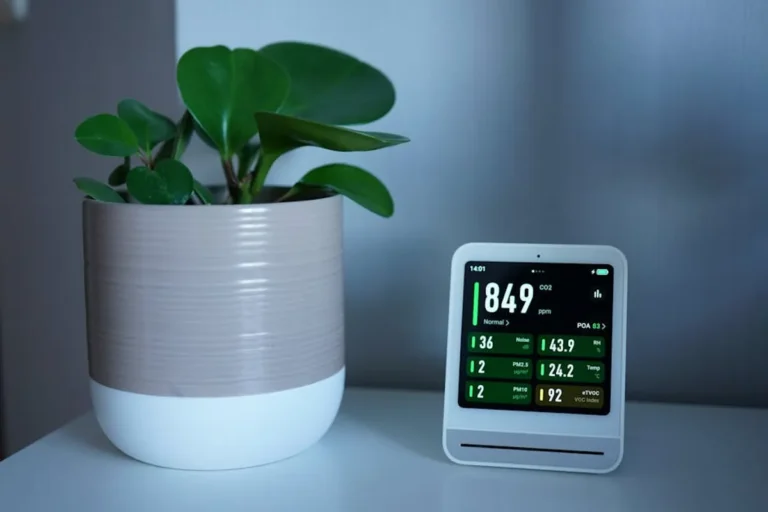
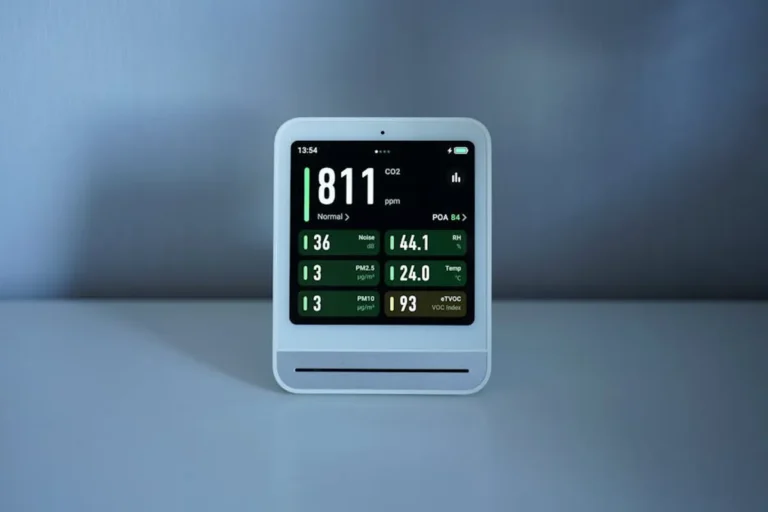
For ongoing awareness or initial screening in smaller spaces, consumer-grade IAQ monitors can provide real-time data on common parameters like PM2.5, VOCs, CO2, temperature, and humidity. While not as precise as professional equipment, they offer valuable insights into daily fluctuations and potential problem areas, empowering occupants to take proactive steps.
Strategies for Improving Indoor Air Quality
Improving IAQ is a multi-faceted process that combines source reduction, enhanced ventilation, and air purification.
Source Control and Ventilation
The most fundamental strategies involve eliminating or reducing pollutant sources and ensuring adequate fresh air exchange:
- Source Removal: Replacing older, high-VOC products with low-emission alternatives, repairing water leaks promptly to prevent mold, and banning smoking indoors.
- Isolation: Storing hazardous materials in well-ventilated areas, away from occupied spaces.
- Ventilation Enhancement: Ensuring HVAC systems are properly designed, maintained, and operated to meet or exceed minimum outdoor air intake requirements. Using exhaust fans in kitchens and bathrooms to remove moisture and cooking fumes.
Air Purification Technologies
When source control and ventilation are insufficient, air purification systems can supplement efforts:
- Filtration: High-efficiency particulate air (HEPA) filters can capture fine particulate matter, pollen, and some biological contaminants. MERV-rated filters (Minimum Efficiency Reporting Value) are used in HVAC systems, with higher MERV ratings indicating greater filtration efficiency.
- Activated Carbon Filters: Effective at adsorbing gaseous pollutants, including many VOCs and odors. Often used in conjunction with particulate filters.
- UVGI (Ultraviolet Germicidal Irradiation): UV-C light can inactivate airborne microorganisms (bacteria, viruses, mold spores) as air passes through the HVAC system or dedicated air purifiers.
Humidity Management
Maintaining indoor relative humidity between 30% and 50% is critical. High humidity encourages mold and dust mite growth, while excessively low humidity can cause respiratory irritation and static electricity. Dehumidifiers, humidifiers, and proper ventilation contribute to optimal humidity levels.
Establishing a Proactive IAQ Program
An effective indoor air quality program is continuous, not a one-time fix. It involves regular assessment, maintenance, and adaptation. Start by conducting an initial IAQ audit to identify specific concerns. Develop a maintenance schedule for HVAC systems, including filter changes and duct cleaning. Educate occupants on best practices, such as proper waste disposal and reporting water leaks. Integrate IAQ considerations into procurement policies for new building materials, furnishings, and cleaning products. Regular monitoring, whether via professional services or DIY tools, provides the data needed to make informed adjustments and ensure sustained healthy indoor environments. A proactive approach protects health, preserves assets, and contributes to overall operational resilience.
Frequently Asked Questions About Indoor Air Quality
How often should indoor air quality be tested?
For most commercial and residential settings, a comprehensive professional IAQ assessment every 1-3 years is advisable, or immediately if new symptoms, odors, or issues arise. Continuous monitoring with consumer-grade devices can provide daily insights.
What is the most critical factor for good indoor air quality?
While all factors are interconnected, adequate ventilation and effective source control are arguably the most critical. Bringing in sufficient fresh outdoor air and preventing pollutants from entering or forming are foundational to maintaining healthy indoor environments.
Can plants improve indoor air quality?
While some studies suggest certain houseplants can remove small amounts of specific VOCs, their overall impact on improving IAQ in typical building environments is generally considered minimal compared to mechanical ventilation and filtration systems. They can contribute to a healthier aesthetic and psychological well-being, but should not be relied upon as primary air purifiers.