
The landscape of indoor air quality (IAQ) is undergoing significant transformation, driven by heightened public awareness, technological advancements, and evolving health standards. For building managers, product manufacturers, and service providers, understanding these shifts is not merely about compliance but about identifying critical market opportunities and strategic imperatives. Businesses that proactively integrate these trends into their offerings will gain a competitive advantage, meeting the rising demand for healthier, more transparent, and sustainably managed indoor environments. This requires moving beyond basic ventilation principles to embrace integrated systems, data-driven insights, and a holistic view of occupant well-being.
Key Indoor Air Quality Trends to Monitor
Advanced Sensor Technology and AI-Driven Monitoring
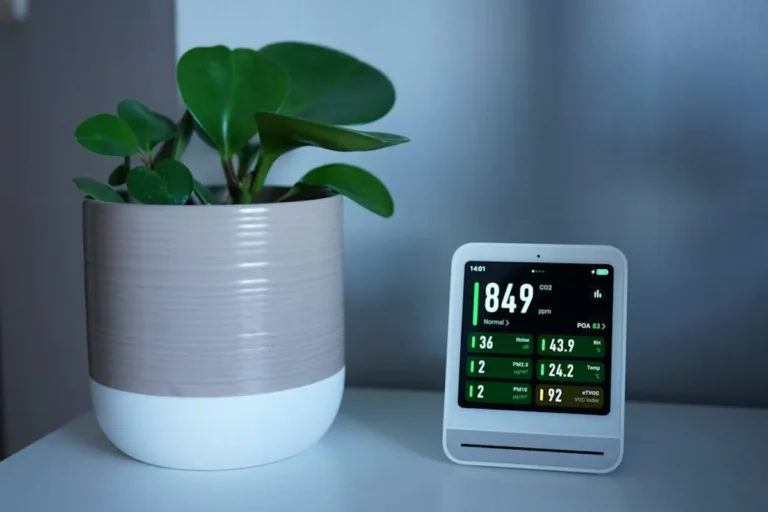
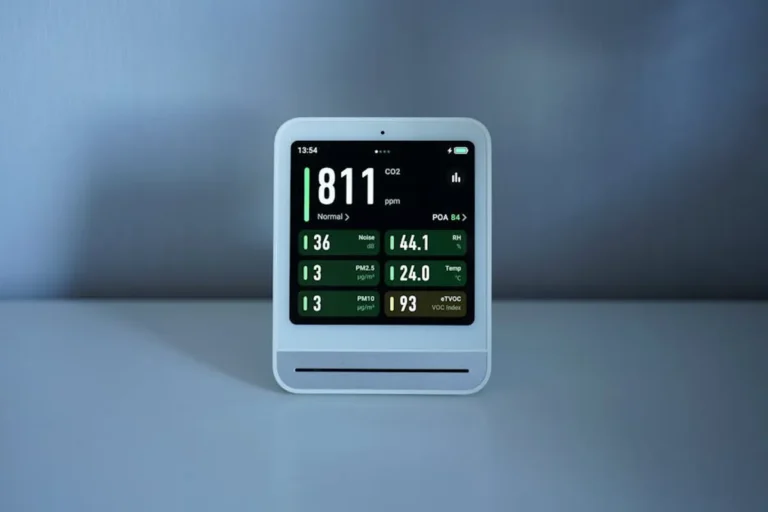
The proliferation of sophisticated, affordable IAQ sensors represents a foundational shift. These devices now track a wider range of pollutants, including volatile organic compounds (VOCs), particulate matter (PM2.5, PM10), carbon dioxide (CO2), carbon monoxide (CO), ozone (O3), temperature, and humidity. Beyond simple data collection, artificial intelligence and machine learning algorithms process this information to provide predictive analytics, identify patterns, and automate responses within building management systems (BMS). This allows for dynamic ventilation adjustments, targeted purification, and proactive maintenance scheduling, moving from reactive problem-solving to preventive control.
- Data Integration: Sensors feed into central platforms, enabling comprehensive oversight and historical trend analysis.
- Predictive Maintenance: AI anticipates filter replacement needs or system malfunctions based on performance data.
- Automated Responses: BMS adjusts HVAC operations in real-time based on detected pollutant levels or occupancy.
Personalized and Zoned Air Purification
The "one-size-fits-all" approach to IAQ is diminishing. Emerging solutions focus on individualized air quality management, allowing occupants to control their immediate environment. This trend manifests in localized purification units, smart desk-side filters, and even wearable devices that monitor personal exposure. For larger commercial spaces, zoned systems enable tailored air treatment for different areas based on occupancy, activity, and specific pollutant sources, optimizing energy usage while maintaining high air quality where it is most needed.
Commercial Application: This creates demand for modular, scalable IAQ solutions that integrate seamlessly into existing infrastructure and offer user-friendly interfaces for personal control.
Biophilic Design and Natural Ventilation Integration
There is a growing emphasis on integrating natural elements and outdoor air into indoor environments. Biophilic design, which incorporates nature into building design, is increasingly paired with advanced natural ventilation strategies. This involves optimizing building orientation, window placement, and façade design to maximize passive airflow and minimize reliance on mechanical systems. When combined with smart sensors, these systems can automatically open and close vents or windows based on outdoor air quality, temperature, and indoor CO2 levels, balancing energy efficiency with fresh air intake.
Strategic Advantage: Businesses offering design and engineering services that marry biophilic principles with intelligent ventilation systems will find strong demand, particularly in new construction and major renovation projects.
Heightened Focus on Specific Contaminants and Health Outcomes
Beyond general air quality, there's a sharper focus on the health impacts of specific indoor contaminants. VOCs, often emitted from building materials, furnishings, and cleaning products, are receiving increased scrutiny due to their links to various health issues. Similarly, ultrafine particulates, including those from combustion sources and outdoor pollution ingress, are recognized for their deep lung penetration and systemic health effects. This trend drives demand for more precise detection technologies and targeted mitigation strategies, such as advanced filtration (e.g., activated carbon for VOCs) and source control measures.
Pro Tip: Businesses developing IAQ monitoring solutions should prioritize multi-pollutant sensing capabilities, particularly for VOCs and ultrafine particulates. Market differentiation will increasingly depend on the breadth and accuracy of contaminant detection, moving beyond basic CO2 and PM2.5 measurements to address a more comprehensive spectrum of health-relevant pollutants. This expansion requires robust calibration and data validation protocols to ensure actionable insights for building operators and occupants.
Health and Wellness Certifications
Building certifications like WELL and Fitwel, which emphasize occupant health and well-being, are gaining traction. IAQ is a central component of these standards, often requiring continuous monitoring, specific filtration levels, and low-VOC material selection. For commercial real estate, achieving these certifications can enhance property value, attract tenants, and demonstrate a commitment to occupant welfare. This trend creates a direct commercial pathway for IAQ service providers and product manufacturers whose offerings align with or help achieve these rigorous standards.
Sustainable and Energy-Efficient IAQ Solutions
The drive for improved IAQ must now reconcile with sustainability goals. Energy consumption associated with ventilation and air purification systems is a significant concern. This fuels innovation in high-efficiency filtration media, demand-controlled ventilation (DCV) systems that adjust airflow based on real-time occupancy and air quality, and heat recovery ventilation (HRV) or energy recovery ventilation (ERV) units that minimize energy loss during air exchange. Solutions that offer superior IAQ without substantially increasing energy footprints will dominate the market.
Key Considerations:
- Filter Efficiency: MERV 13+ filters are becoming standard, but their impact on static pressure and fan energy must be managed.
- UV-C Technology: Used for pathogen inactivation, its energy consumption and safe integration are critical design factors.
- System Integration: Linking IAQ with overall building energy management systems is crucial for holistic efficiency.
Strategic Planning for Evolving IAQ Standards
For businesses operating in or adjacent to the indoor air quality sector, the converging trends of advanced technology, personalized solutions, and health-centric design necessitate a proactive approach. This involves not only adapting product lines and service offerings but also investing in research and development to anticipate future demands. Businesses should focus on creating integrated solutions that provide transparent, actionable data to building occupants and managers, while simultaneously addressing energy efficiency and sustainability mandates. Staying informed about emerging regulatory frameworks and building codes related to IAQ will be crucial for maintaining market relevance and ensuring compliance.
Frequently Asked Questions
What is driving the increased focus on indoor air quality?
Increased public awareness of health impacts from indoor pollutants, the lingering effects of global health crises, and advancements in sensor technology that make IAQ measurable and manageable are primary drivers.
How can businesses leverage IAQ trends for commercial growth?
Businesses can develop new smart monitoring devices, provide specialized IAQ consulting and remediation services, create integrated building management solutions, or innovate in sustainable and energy-efficient air purification technologies.
What role do building certifications play in IAQ trends?
Certifications like WELL and Fitwel establish rigorous IAQ benchmarks, driving demand for products and services that help properties meet these standards, thereby enhancing building value and occupant appeal.
Are IAQ solutions becoming more energy efficient?
Yes, there's a strong market push for energy-efficient IAQ solutions, including demand-controlled ventilation, high-efficiency filtration with minimal pressure drop, and integrated systems that balance air quality with overall building energy consumption.