Heat pumps represent a fundamental shift in how residential and commercial spaces manage climate control, offering both heating and cooling from a single, electrically-driven unit. Unlike traditional furnaces or air conditioners that generate heat through combustion or rely solely on refrigerant cycles for cooling, heat pumps transfer existing thermal energy. This mechanism translates directly into lower operating costs and reduced carbon emissions, making them a compelling consideration for property owners evaluating long-term energy solutions. This makes them a compelling consideration for property owners evaluating long-term energy solutions, especially when comparing different heat pump types.
Understanding Heat Pump Operation
A heat pump functions by moving heat rather than generating it. In heating mode, it extracts heat from a source (air, ground, or water) and transfers it indoors. In cooling mode, the process reverses, drawing heat from the indoor air and expelling it outside. This bidirectional capability is a core differentiator, eliminating the need for separate heating and cooling systems.
Air-Source Heat Pumps
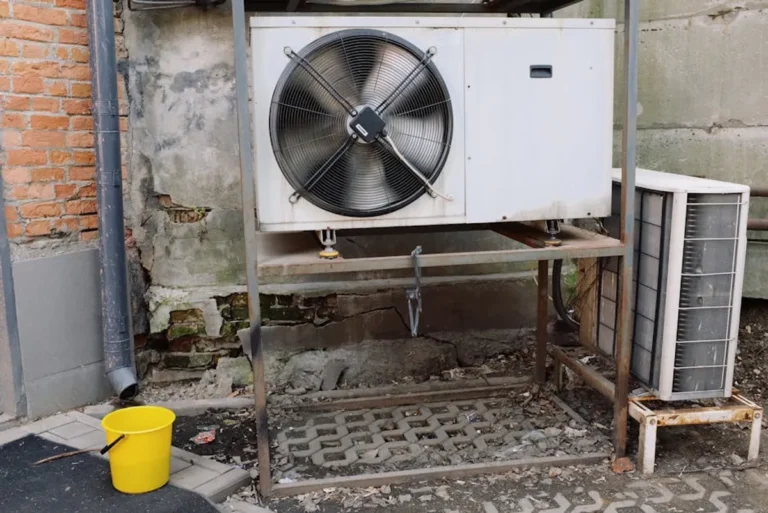
These systems are the most common type, extracting heat from the outside air during colder months and expelling indoor heat to the outside air during warmer months. Air-source units are versatile, suitable for a wide range of climates, and typically easier to install than ground-source alternatives. Their efficiency can decrease in extremely low temperatures, though advancements in cold-climate models have significantly extended their operational range.
Ground-Source (Geothermal) Heat Pumps
Geothermal heat pumps leverage the stable temperature of the earth a few feet below the surface. A loop system, buried horizontally or vertically, circulates fluid to exchange heat with the ground. This consistent underground temperature provides exceptional efficiency year-round, as it's less affected by extreme ambient air fluctuations. While installation costs are higher due to excavation, geothermal systems offer some of the lowest operating costs and longest lifespans.
Water-Source Heat Pumps
Less common for residential use, water-source heat pumps extract or dissipate heat using a nearby body of water, such as a pond or well. These systems require specific site conditions—namely, access to a suitable water source—but can offer high efficiency due to water's excellent thermal conductivity.
Primary Benefits of Integrating a Heat Pump System
The decision to install a heat pump often hinges on its ability to deliver consistent comfort alongside demonstrable operational savings and environmental advantages.
- Energy Efficiency: Heat pumps typically operate with a Coefficient of Performance (COP) ranging from 2.5 to 4.0, meaning they deliver 2.5 to 4 units of heat energy for every unit of electrical energy consumed. This efficiency significantly surpasses that of traditional resistance heating, which has a COP of 1.0.
- Dual Functionality: A single system provides both heating and cooling, simplifying HVAC infrastructure and control. This eliminates the need for separate furnaces and air conditioners, freeing up space and potentially reducing maintenance complexity.
- Environmental Impact: By transferring heat rather than burning fossil fuels, heat pumps reduce direct greenhouse gas emissions. When powered by renewable electricity sources, their carbon footprint approaches zero, aligning with sustainability goals.
- Long-Term Cost Savings: While initial installation costs can be higher than conventional systems, the superior energy efficiency of heat pumps leads to lower monthly utility bills. The payback period varies based on energy rates, climate, and system type, but substantial savings accrue over the system's 15-25 year lifespan.
Pro Tip: Proper sizing is critical for optimal heat pump performance and efficiency. An undersized unit will struggle to maintain desired temperatures, leading to increased energy consumption and wear, while an oversized unit will short-cycle, causing uneven heating/cooling, humidity issues, and premature component failure. Always consult with certified HVAC professionals who perform detailed load calculations based on your home's insulation, windows, and climate zone.
Key Considerations Before Purchase and Installation
Evaluating a heat pump requires more than just reviewing efficiency ratings; practical factors directly influence performance and overall satisfaction.
Upfront Investment
Heat pump systems, especially geothermal, involve higher initial costs compared to conventional furnaces or air conditioners. This includes equipment purchase and installation, which can involve significant labor for ductwork modifications or ground loop installation. However, government incentives, rebates, and tax credits often mitigate these costs, making the technology more accessible.
Climate Suitability
While modern air-source heat pumps perform well in colder climates, their efficiency can still dip when outdoor temperatures fall significantly below freezing. Supplemental heating (often electric resistance or gas furnace) may be integrated to ensure comfort during extreme cold snaps. Geothermal systems are largely unaffected by ambient air temperatures, offering consistent performance regardless of climate severity.
System Sizing and Professional Installation
Accurate sizing based on your property's specific heating and cooling load is paramount. An improperly sized unit will operate inefficiently, leading to discomfort and higher energy bills. Professional installation by experienced technicians ensures correct refrigerant charge, ductwork integrity, and optimal system configuration, all of which directly impact long-term efficiency and reliability.
Maintenance Requirements
Heat pumps require routine maintenance, including filter changes, coil cleaning, and annual professional inspections, similar to traditional HVAC systems. Neglecting maintenance can degrade efficiency by 5-15% and shorten the system's lifespan. Regular servicing ensures the system operates at peak performance and helps identify potential issues before they become costly repairs.
Maximizing Your Heat Pump Investment
Beyond initial installation, several practices contribute to sustained efficiency and longevity. Ensure your home has adequate insulation and sealed air leaks to reduce the overall heating and cooling load, allowing the heat pump to operate more efficiently. Utilize programmable thermostats to optimize temperature settings based on occupancy schedules, avoiding unnecessary energy consumption when the home is empty. Regular filter replacement, typically monthly during peak use, is crucial for maintaining airflow and preventing strain on the unit. Finally, schedule annual professional tune-ups to verify refrigerant levels, clean coils, inspect electrical components, and ensure all parts are functioning correctly.
Frequently Asked Questions about Heat Pumps
How long do heat pumps typically last?
The lifespan of a heat pump varies by type and maintenance. Air-source heat pumps generally last 15-20 years, while ground-source (geothermal) systems can last 20-25 years for the indoor unit and over 50 years for the underground loop system.
Do heat pumps work in very cold climates?
Modern cold-climate air-source heat pumps are designed to operate efficiently down to -15°F (-26°C) or even lower. For extremely cold conditions, hybrid systems that integrate a traditional furnace as a backup can provide reliable heating.
Are heat pumps noisy?
Most modern heat pumps, especially inverter-driven models, operate quietly. Outdoor units typically produce sound levels comparable to a refrigerator, while indoor units are generally quieter than traditional furnaces or air conditioners.
What is the difference between a heat pump and an air conditioner?
While both use refrigerant to move heat, an air conditioner only cools by moving heat out of a space. A heat pump can both cool and heat by reversing its refrigerant flow, moving heat into or out of a space as needed.