Heating, ventilation, and air conditioning systems are among the most important mechanical components in a residential property. They regulate indoor temperatures, support ventilation, and help maintain comfortable living conditions throughout the year.
However, their effectiveness depends on more than the quality of the equipment. Without regular maintenance, even a modern HVAC system can experience declining efficiency, increased operating costs, and premature component failures.
Understanding how maintenance affects performance can help homeowners protect their equipment and make informed decisions about long-term energy consumption.
Why HVAC Efficiency Declines Over Time
Every HVAC system contains components that experience gradual wear during normal operation.
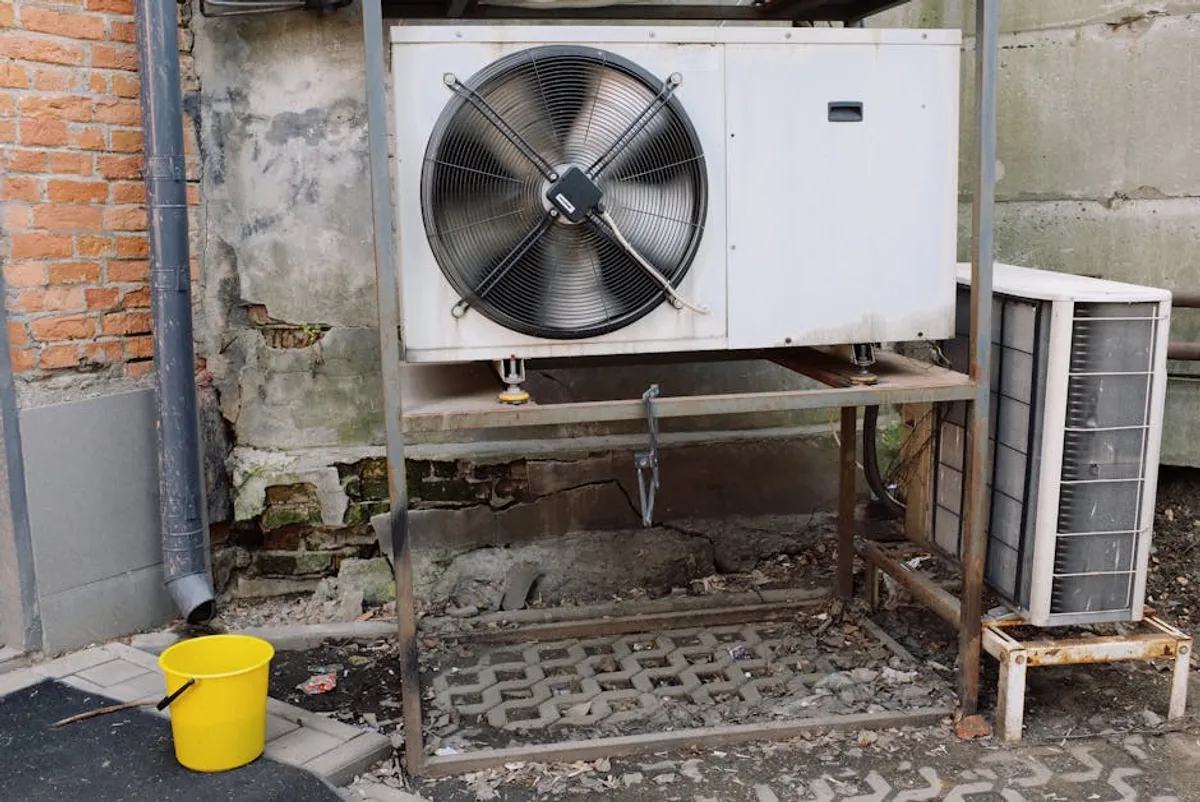
Air filters collect dust, outdoor condenser coils accumulate debris, electrical connections can deteriorate, and moving components may become worn.
These changes can restrict airflow or interfere with heat transfer, requiring equipment to operate for longer periods to maintain the desired temperature.
An air conditioning system with restricted airflow, for example, may struggle to remove heat effectively from indoor spaces.
Addressing these issues early can improve performance and prevent unnecessary strain on the equipment.
The Importance of Clean Air Filters
Air filters are essential for protecting HVAC equipment from dust and airborne particles.
As filters become clogged, they reduce the volume of air passing through the system.
This restriction can affect cooling performance and place additional demands on the blower motor.
Homeowners should inspect and replace filters according to the manufacturer's recommendations, considering household conditions such as pets, dust levels, and system usage.
Maintaining adequate airflow is one of the simplest ways to support HVAC efficiency.
Professional Inspections Identify Hidden Problems
Not every HVAC problem is visible to homeowners.
Issues involving electrical components, refrigerant operation, condensate drainage, and system controls may require professional diagnostic equipment.
A qualified technician can evaluate system performance, identify developing faults, and recommend appropriate maintenance.
For homeowners in Fullerton, professional HVAC maintenance from Southwest HVAC can help identify cooling system issues and support reliable equipment operation.
Regular inspections are particularly valuable before periods of heavy seasonal use.
The Connection Between Maintenance and Energy Consumption
An HVAC system operating under unfavorable conditions may consume more electricity than necessary.
Dirty condenser coils, inadequate airflow, and incorrectly functioning controls can all contribute to inefficient operation.
Routine servicing helps ensure equipment operates within appropriate performance conditions.
However, actual energy savings depend on the age of the equipment, its existing condition, local climate, and household usage patterns.
Maintenance is not a substitute for efficient equipment design, but it helps protect the efficiency a system was designed to deliver.
Preventing Expensive Mechanical Failures
Small mechanical problems can sometimes develop into larger failures when left unresolved.
A deteriorating electrical component may lead to intermittent operation, while persistent airflow restrictions can contribute to system stress.
Regular maintenance provides opportunities to identify potential problems before they cause unexpected interruptions.
Although servicing cannot prevent every breakdown, it can reduce avoidable deterioration and help homeowners anticipate necessary repairs.
When Equipment Upgrades Make Sense
Even well-maintained HVAC systems eventually reach the end of their useful lives.
Frequent breakdowns, declining performance, and increasingly expensive repairs may indicate that replacement deserves consideration.
Modern equipment can provide improved energy efficiency and more precise temperature control, depending on the selected system.
Before replacing equipment, homeowners should request a professional assessment that considers system sizing, existing ductwork, installation requirements, and expected operating costs.
Final Thoughts
HVAC maintenance is an important part of effective household energy management.
Clean filters, unobstructed airflow, professional inspections, and timely repairs can help improve equipment reliability and reduce unnecessary energy waste.
By adopting a preventive approach, homeowners can extend the practical value of their heating and cooling systems while maintaining comfortable indoor conditions.