Effective HVAC maintenance moves beyond simple repair; it represents a strategic investment in property value, operational efficiency, and occupant well-being. For facility managers, commercial property owners, or even discerning homeowners, understanding the complete scope of HVAC care is critical for mitigating unexpected costs, ensuring system longevity, and maintaining optimal indoor environments. This overview details the core components of a proactive maintenance regimen, distinguishing between routine tasks and professional interventions, and framing these actions within a broader commercial context. This overview details the core components of a proactive maintenance regimen, distinguishing between routine tasks and professional interventions, and framing these actions within a broader comme for those seeking HVAC maintenance best practices.
Why Regular HVAC Maintenance is Non-Negotiable
Ignoring HVAC maintenance is not a cost-saving measure; it is a deferred expense that invariably leads to higher operational costs, premature system failure, and potential health implications. A structured maintenance plan safeguards against these outcomes, offering tangible returns on investment through improved efficiency and extended equipment life.
Energy Efficiency and Operational Costs
Unmaintained HVAC systems suffer from reduced efficiency. Dirty filters restrict airflow, forcing the system to work harder and consume more energy. Clogged condenser coils impede heat transfer, similarly increasing power draw. Regular cleaning and calibration ensure components operate at their designed specifications, directly translating to lower utility bills. For commercial properties, even a small percentage increase in efficiency across multiple units can result in significant annual savings, impacting the bottom line.
System Longevity and Asset Protection
HVAC systems are substantial capital investments. Neglecting routine maintenance accelerates wear and tear on critical components like compressors, motors, and fans. This premature degradation often necessitates expensive, unscheduled repairs or, worse, full system replacement long before its expected lifespan. Proactive maintenance, including lubrication, tension adjustments, and component inspections, identifies minor issues before they escalate, preserving the asset and extending its operational life. This protects the initial investment and defers future capital expenditure.
Indoor Air Quality and Occupant Comfort
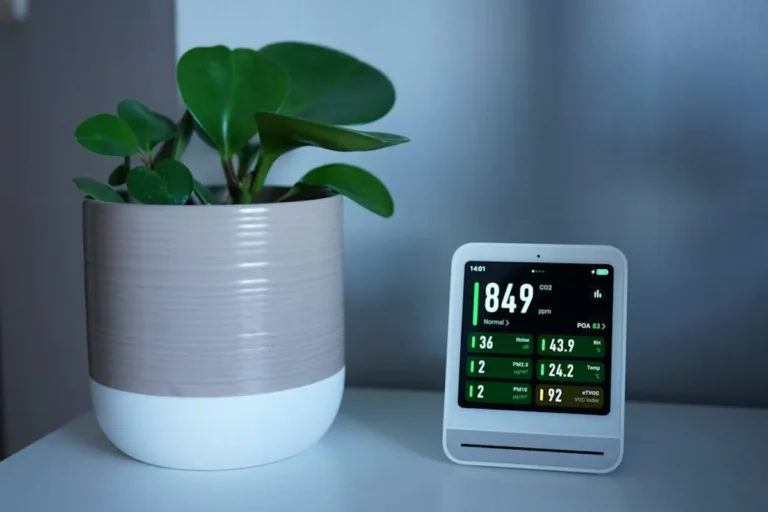
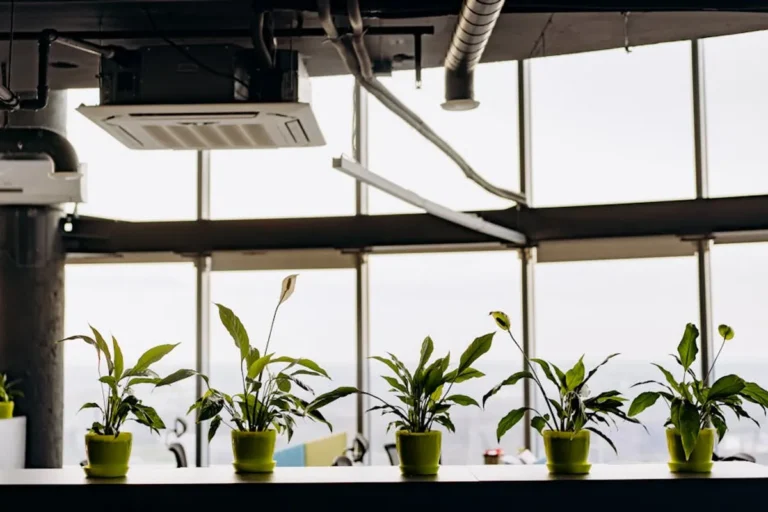
Beyond mechanical efficiency, HVAC systems play a crucial role in maintaining healthy and comfortable indoor environments. Dirty filters allow dust, allergens, and pollutants to recirculate, compromising air quality. Uncleaned evaporator coils can harbor mold and bacteria, introducing unpleasant odors and potential health risks. Proper maintenance ensures effective filtration, humidity control, and consistent temperature regulation, contributing to occupant satisfaction, productivity in commercial settings, and overall well-being.
Key Components and Maintenance Tasks
A comprehensive HVAC maintenance program addresses several critical areas within both heating and cooling systems. These tasks, performed regularly, prevent common failures and optimize performance.
Filter Replacement
This is arguably the most frequent and impactful maintenance task. Filters trap dust, pollen, pet dander, and other airborne particles. A clogged filter restricts airflow, reducing system efficiency and potentially damaging the blower motor.
Frequency: Monthly to quarterly, depending on system usage, number of occupants, and presence of pets or allergens. Commercial settings often require more frequent checks.
Coil Cleaning (Evaporator and Condenser)
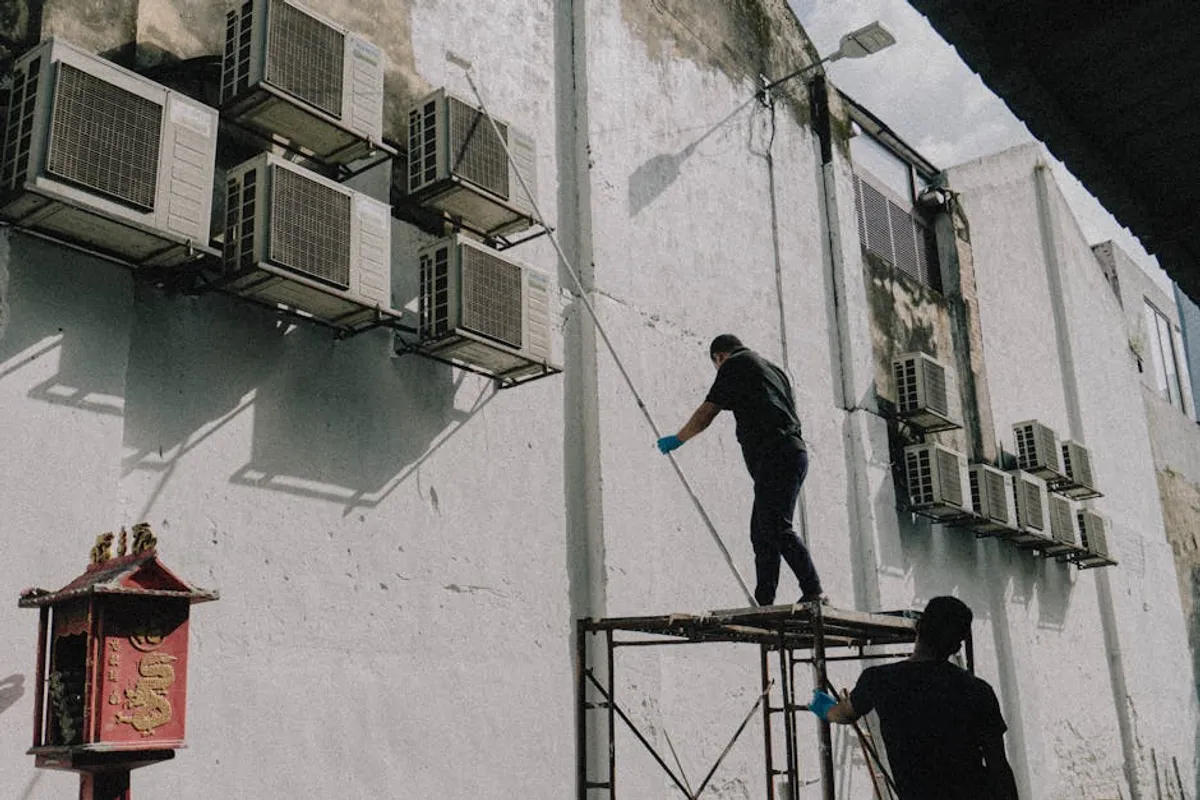
Evaporator coils, located indoors, absorb heat from the air. Condenser coils, typically outdoors, release heat. Both accumulate dirt and debris, which act as insulators, reducing heat transfer efficiency.
Impact: Dirty coils force the compressor to work harder, increasing energy consumption and wear.
Drain Line Clearing
The condensate drain line removes moisture collected by the evaporator coil. If clogged with algae or sludge, water can back up, leading to leaks, water damage, and high humidity levels.
Prevention: Regular flushing with a mild bleach solution or specialized tablet prevents blockages.
Electrical Connections and Components
Loose or corroded electrical connections can cause system malfunctions, intermittent operation, or even fire hazards. Capacitors, relays, and contactors can degrade over time.
Inspection: Technicians check for secure connections, correct voltage, and signs of wear or overheating.
Refrigerant Level Checks
The refrigerant (coolant) absorbs and releases heat. Low refrigerant levels indicate a leak, not simply a need for a "recharge." Leaks reduce cooling capacity and force the compressor to run excessively, leading to potential burnout.
Action: If levels are low, a professional must locate and repair the leak before adding refrigerant.
Blower Motor and Fan Maintenance
The blower motor circulates air throughout the ductwork. The outdoor fan pulls air across the condenser coil. Both require lubrication (for older models), cleaning, and inspection for balance and proper operation.
Benefit: Ensures consistent airflow and prevents motor overheating.
DIY vs. Professional Service
While some maintenance tasks are suitable for property owners, others demand the expertise and specialized tools of a certified HVAC technician.
What Homeowners Can Handle
- Regularly changing or cleaning air filters.
- Keeping the area around the outdoor condenser unit clear of debris, leaves, and vegetation.
- Gently cleaning outdoor coils with a garden hose (after turning off power).
- Ensuring indoor vents and registers are unobstructed.
- Clearing the condensate drain line with a mild solution or vacuum if accessible.
When to Call a Certified Technician
Professional service is essential for tasks requiring specialized knowledge, tools, or regulatory compliance. This includes:
- Seasonal tune-ups for both heating and cooling cycles.
- Refrigerant level checks and leak detection/repair.
- Coil cleaning that requires disassembly or specialized chemicals.
- Electrical system diagnostics and component replacement.
- Ductwork inspection and sealing.
- Combustion analysis for heating systems to ensure safe operation and efficiency.
- Warranty compliance, as many manufacturers require professional service records.
Pro Tip: Establish a preventative maintenance contract with a reputable HVAC service provider. These agreements often include priority service, discounted repairs, and scheduled inspections, ensuring your system receives consistent, expert care without requiring constant oversight. This proactive approach minimizes emergency breakdowns and optimizes long-term operational costs.
Optimizing HVAC Performance Long-Term
Beyond routine tasks, integrating HVAC maintenance into a broader asset management strategy yields significant long-term benefits. Consider system upgrades when existing units approach the end of their lifespan, focusing on higher SEER (Seasonal Energy Efficiency Ratio) or AFUE (Annual Fuel Utilization Efficiency) ratings for improved energy performance. Implement smart thermostats to optimize scheduling and temperature control, further reducing energy waste. Regular ductwork inspection and sealing prevent conditioned air loss, ensuring that the air you pay to heat or cool actually reaches its intended spaces. These actions, combined with consistent maintenance, create a robust, efficient, and reliable climate control system for any property.
Common HVAC Maintenance Questions
How often should HVAC systems be serviced?
Generally, HVAC systems should receive professional maintenance twice a year: once in the spring for the cooling system and once in the fall for the heating system. This ensures peak performance and identifies potential issues before seasonal demands stress the unit.
What are the signs that my HVAC system needs professional attention?
Key indicators include unusual noises (grinding, squealing), strange odors (burning, musty), inconsistent heating or cooling, increased energy bills without a change in usage, frequent cycling on and off, or visible leaks around the unit.
Can I perform all HVAC maintenance myself?
While homeowners can handle basic tasks like filter changes and keeping the outdoor unit clear, professional technicians are required for complex diagnostics, refrigerant handling, electrical checks, and specialized cleaning. Attempting advanced repairs without proper training can be dangerous and void warranties.
What is the typical lifespan of an HVAC system with proper maintenance?
With consistent and proper maintenance, an air conditioning unit can last 10-15 years, and a furnace can last 15-20 years. Neglecting maintenance can significantly reduce these lifespans, often by several years.