An HVAC system represents a significant investment in any property, directly influencing energy consumption, indoor air quality, and overall comfort. Proactive maintenance is not merely a suggestion; it is a critical operational requirement for preserving system efficiency and extending the functional lifespan of heating, ventilation, and air conditioning units. Neglecting routine checks and cleanings often leads to diminished performance, increased energy bills, and premature component failure, ultimately resulting in more expensive emergency repairs or full system replacements.
Understanding Your HVAC System Components
Effective maintenance begins with a foundational understanding of the primary components that constitute a typical HVAC system. Each part plays a distinct role, and its operational integrity directly impacts the system's ability to heat, cool, and circulate air efficiently.
Air Handler and Furnace
The air handler, often integrated with the furnace in split systems, houses the blower motor, evaporator coil (for cooling), and heating elements (gas burner or electric coils). Its function is to draw in return air, condition it, and distribute it through the ductwork. Key maintenance areas here include the air filter, which protects the blower and coils from dust and debris, and the condensate drain, which removes moisture collected by the evaporator coil.
Outdoor Condenser Unit
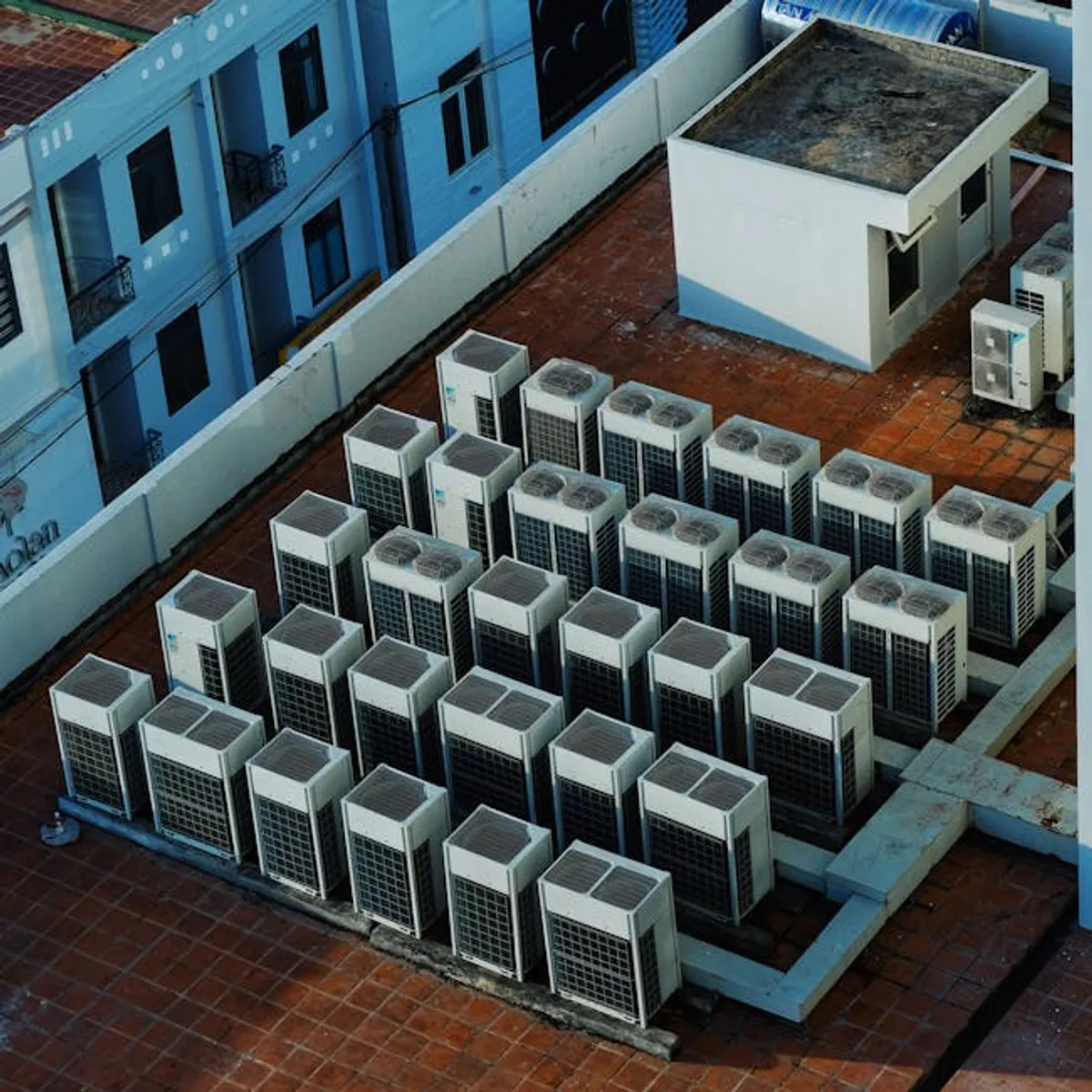
For air conditioning and heat pump systems, the outdoor condenser unit contains the compressor, condenser coil, and a fan. This unit is responsible for releasing heat from the refrigerant into the outside air during cooling cycles, or absorbing heat from the outside air during heating cycles (for heat pumps). Its exposed nature makes it susceptible to accumulating dirt, leaves, and other debris, which can impede heat exchange.
Ductwork and Vents
The ductwork is the circulatory system of your HVAC, transporting conditioned air to various rooms and returning stale air to the air handler. Leaks, blockages, or dirty vents within this network can drastically reduce system efficiency and compromise indoor air quality by allowing dust, allergens, and pollutants to circulate.
Essential Annual HVAC Maintenance Tasks
Regular maintenance should be segmented into seasonal checks to address the specific demands placed on the system during heating and cooling cycles. Adhering to these schedules ensures optimal performance year-round.
Spring Pre-Cooling Checklist
Preparing an air conditioning system for warmer months involves specific steps to ensure efficient cooling and prevent breakdowns during peak demand.
- Clean/Replace Air Filters: This is a fundamental task that should occur monthly or quarterly, depending on usage and filter type. A clean filter ensures proper airflow and protects internal components from dust accumulation, directly impacting efficiency and air quality.
- Clean Outdoor Condenser Coils: Debris such as leaves, grass clippings, and dirt can accumulate on the condenser coils, acting as an insulating layer. Cleaning these coils with a garden hose improves heat transfer efficiency, reducing the workload on the compressor.
- Inspect Electrical Connections: Loose or corroded wiring can lead to system malfunction or safety hazards. While a professional task for internal wiring, homeowners can visually check external connections for obvious damage.
- Clear Condensate Drain Line: The condensate drain line removes moisture from the evaporator coil. A clogged line can cause water overflow, leading to property damage or increased humidity. Pouring a cup of distilled vinegar down the line can help prevent algae and mold buildup.
Fall Pre-Heating Checklist
As temperatures drop, preparing the heating system is crucial for reliable and safe operation throughout the colder months.
- Clean/Replace Air Filters: Similar to cooling season, a clean filter is vital for furnace efficiency and preventing dust from circulating through the heating system.
- Test Thermostat Functionality: Verify that the thermostat accurately reads temperatures and properly switches between heating and cooling modes. Calibrate or replace batteries as needed to ensure precise temperature control.
- Examine Flue Pipes: For gas furnaces, inspect flue pipes for blockages, rust, or disconnections. Proper venting of combustion gases is critical for safety, preventing carbon monoxide buildup.
- Verify Carbon Monoxide Detectors: Ensure all carbon monoxide detectors are operational and have fresh batteries. This is a critical safety check for any home with a gas-fired furnace.
Warning: Attempting complex repairs or refrigerant handling without proper certification can void warranties, damage equipment, and pose significant safety risks. Always consult a licensed HVAC technician for tasks beyond basic cleaning and filter replacement, especially for tasks involving refrigerant, electrical systems, or gas lines.
DIY vs. Professional HVAC Maintenance
While homeowners can perform several routine maintenance tasks, certain procedures necessitate the expertise of a certified HVAC technician. Understanding this distinction is crucial for both safety and system longevity.
DIY Tasks: Homeowners can safely handle filter replacement, cleaning outdoor condenser coils, clearing condensate drains, and visual inspections of ductwork and vents. These tasks primarily involve accessible components and do not require specialized tools or knowledge of internal system mechanics.
Professional Tasks: Certified technicians are equipped to perform tasks such as checking refrigerant levels, inspecting heat exchangers for cracks, lubricating moving parts, testing electrical components for voltage and amperage, and calibrating thermostats. These procedures require specialized diagnostic tools, an understanding of complex system interactions, and adherence to safety protocols. Professional service also ensures compliance with manufacturer warranties, which often stipulate annual inspections by qualified personnel.
Benefits of Regular Professional HVAC Maintenance
- Improved Energy Efficiency: A well-maintained system operates at peak efficiency, consuming less energy to achieve desired temperatures, which directly translates to lower utility bills.
- Extended Equipment Lifespan: Regular inspections and tune-ups identify and address minor issues before they escalate into major failures, significantly prolonging the operational life of the HVAC unit.
- Enhanced Indoor Air Quality: Clean filters, coils, and ductwork reduce the circulation of dust, allergens, and pollutants, contributing to a healthier indoor environment.
- Reduced Risk of Breakdowns: Proactive maintenance minimizes the likelihood of unexpected system failures, especially during extreme weather when HVAC systems are under maximum stress.
- Maintained Warranty Validity: Many manufacturers require documented annual professional maintenance to keep warranties valid, protecting your investment against costly repairs.
- Greater Home Comfort: An efficiently running system maintains consistent temperatures and humidity levels, providing a more comfortable living or working space.
Scheduling and Documentation
To ensure consistent maintenance, establish a recurring schedule. Mark spring for AC preparation and fall for furnace checks on your calendar. Beyond scheduling, maintain a detailed log of all maintenance activities, including dates, tasks performed (both DIY and professional), and any parts replaced. This documentation serves as a valuable reference for future technicians, helps track warranty compliance, and provides a clear history of your system's care, which can be beneficial if you ever sell the property.
Ensuring Peak System Performance
A comprehensive HVAC maintenance checklist, consistently applied, is the most effective strategy for managing one of a property's most critical systems. By understanding the balance between homeowner-managed tasks and professional service requirements, you can significantly influence system efficiency, extend equipment life, and ensure reliable indoor comfort. Proactive care is not an expense, but an investment that yields substantial returns in operational savings and peace of mind. For those new to system care, a beginner's approach to HVAC upkeep can simplify the process and ensure all vital steps are covered.
Frequently Asked Questions
How often should HVAC systems be serviced?
HVAC systems should ideally receive professional servicing twice a year: once in the spring for the air conditioning unit and once in the fall for the heating unit. This ensures both components are prepared for their respective peak seasons.
What are the signs my HVAC needs professional attention?
Indicators include unusual noises (grinding, banging, hissing), strange odors (burning, musty), inconsistent heating or cooling, sudden spikes in energy bills, or a system that frequently cycles on and off.
Can I skip annual maintenance to save money?
Skipping annual maintenance typically results in higher costs over time due to decreased efficiency, increased risk of major breakdowns, premature system replacement, and potential voiding of manufacturer warranties.
How long do HVAC systems typically last with proper maintenance?
With consistent professional maintenance, an HVAC system can last 15-20 years, and sometimes longer. Neglected systems often fail within 10-12 years, requiring earlier and more expensive replacement.