Understanding basic HVAC maintenance is not just about keeping a system running; it's about protecting a significant home investment, managing operational costs, and ensuring consistent indoor comfort and air quality. For beginners, the sheer volume of information can be daunting, but a structured approach to routine care can prevent costly breakdowns, extend equipment lifespan, and optimize energy consumption. This guide outlines the essential steps and considerations for maintaining your heating, ventilation, and air conditioning system effectively, focusing on practical actions and when professional intervention becomes necessary.
Why Regular HVAC Maintenance Matters
Proactive maintenance of an HVAC system offers tangible benefits that directly impact both household finances and daily living quality. Ignoring routine checks can lead to a cascade of issues, from minor inefficiencies to complete system failures.
Energy Efficiency and Cost Savings
A well-maintained HVAC system operates more efficiently. Dust, dirt, and debris accumulate on coils, filters, and fans, forcing the system to work harder to achieve desired temperatures. This increased workload translates directly into higher energy consumption and elevated utility bills. Regular cleaning and component checks ensure the system can transfer heat effectively, reducing the energy required to heat or cool a space. For example, a dirty air filter can restrict airflow by up to 50%, causing the blower motor to draw more power.
System Longevity and Reliability
HVAC systems are complex machines with multiple moving parts. Neglecting maintenance accelerates wear and tear on components like compressors, motors, and fans. This premature degradation shortens the overall lifespan of the unit, necessitating earlier and more expensive replacements. Consistent maintenance, including lubrication and calibration, mitigates this wear, helping the system reach its intended operational life, typically 15-20 years for a well-cared-for unit. This also reduces the likelihood of unexpected breakdowns, ensuring reliable operation during peak demand seasons.
Indoor Air Quality
The HVAC system plays a crucial role in circulating and filtering indoor air. A neglected system can become a reservoir for dust, allergens, mold spores, and other airborne contaminants. Dirty filters fail to trap these particles, allowing them to recirculate throughout the home. Regular filter replacement and coil cleaning contribute directly to cleaner indoor air, which is particularly beneficial for occupants with allergies, asthma, or other respiratory sensitivities.
Essential DIY HVAC Maintenance Tasks
Several fundamental maintenance tasks can be performed by homeowners without specialized tools or training. These actions form the backbone of a preventative maintenance strategy.
Air Filter Replacement
Frequency: Every 1-3 months, depending on filter type, household occupancy, and presence of pets.
The air filter is the first line of defense against airborne particles entering your HVAC system and circulating in your home. A clogged filter restricts airflow, reducing efficiency and straining the system. To replace: locate the filter slot (usually near the indoor air handler or return air vent), note the size printed on the filter (e.g., 20x25x1), and insert a new filter with the airflow arrow pointing towards the furnace/air handler.
Clearing the Condensate Drain Line
Purpose: Prevents water overflow and potential mold growth.
During cooling operation, your AC unit removes humidity from the air, which condenses into water and drains away through a condensate line. This line can become clogged with algae or debris, causing water to back up and potentially damage the system or surrounding areas. Regularly check the drain pan for standing water. If clogged, carefully clear the line using a wet/dry vacuum or a solution of diluted bleach and water poured down the access port.
Cleaning Outdoor Unit Coils
Frequency: Annually, typically in spring before heavy cooling use.
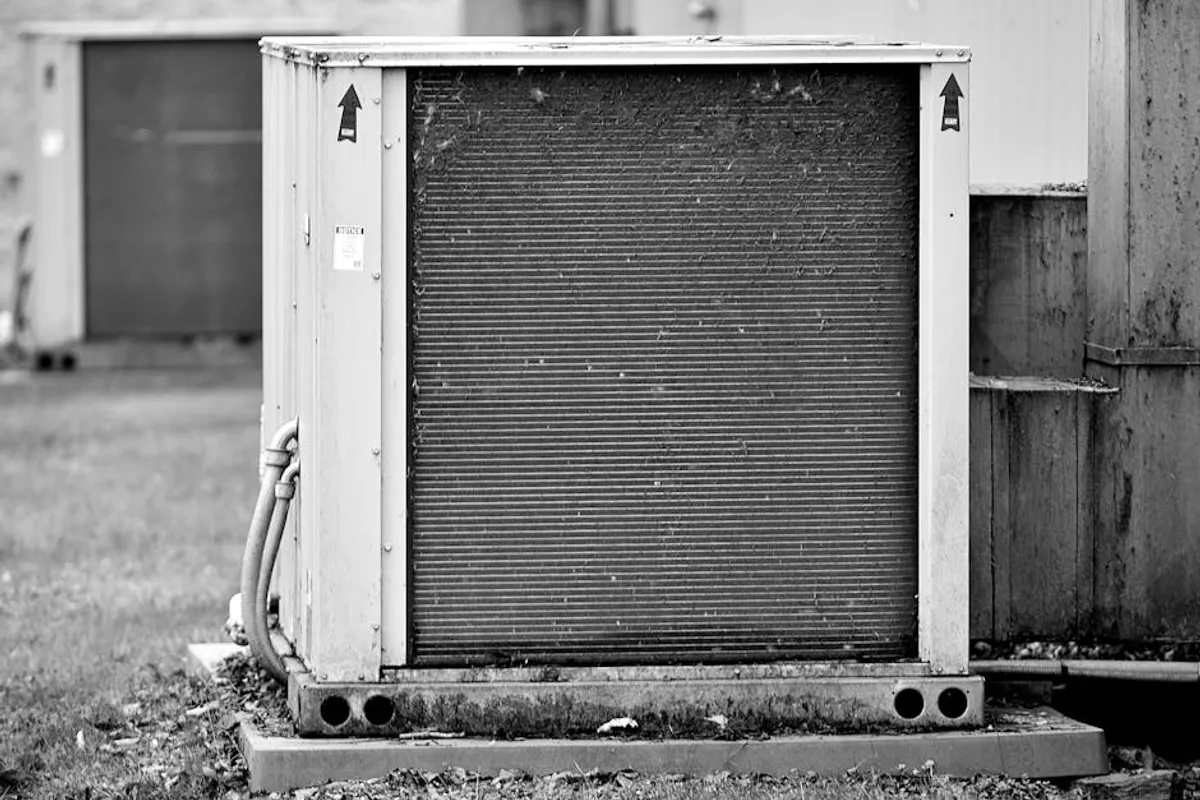
The outdoor condenser unit contains coils that dissipate heat. Over time, leaves, grass clippings, dirt, and other debris accumulate on these coils, impeding heat transfer and reducing efficiency. Before cleaning, ensure the power to the unit is completely shut off at the outdoor disconnect switch. Gently brush away loose debris, then use a garden hose (without a high-pressure nozzle) to rinse the coils from the inside out, dislodging stubborn dirt.
Thermostat Management
Impact: Direct control over energy consumption and comfort.
While not a physical cleaning task, proper thermostat programming and usage significantly influence HVAC performance. Utilizing programmable or smart thermostats to set back temperatures when the home is unoccupied or during sleeping hours can yield substantial energy savings. Ensure the thermostat is clean and free of dust, and that its batteries (if applicable) are replaced annually.
Pro Tip: Electrical Safety First
Always disconnect power to your HVAC system at the thermostat and the main electrical panel or outdoor disconnect switch before performing any maintenance tasks, especially those involving the outdoor unit or internal components. Failure to do so can result in serious injury or electrocution.
When to Call a Professional
While DIY tasks cover basic upkeep, certain aspects of HVAC maintenance require the expertise, specialized tools, and diagnostic capabilities of a certified technician. Attempting these tasks without proper training can lead to further damage or safety hazards.
Seasonal Tune-Ups
Benefit: Comprehensive system check and optimization.
An annual professional tune-up (typically one for heating in fall and one for cooling in spring) involves a thorough inspection, cleaning, and calibration of the entire system. Technicians check refrigerant levels, electrical connections, motor bearings, ductwork integrity, and safety controls. This preventative service identifies minor issues before they escalate, ensures peak performance, and validates warranty terms.
Unusual Noises, Odors, or Performance Issues
- Grinding or Squealing Sounds: Often indicate worn motor bearings or fan belts.
- Burning Odors: Could signal electrical issues or overheating components.
- Musty Smells: Suggest mold or mildew growth within the system or ductwork.
- Reduced Airflow or Uneven Heating/Cooling: May point to duct leaks, refrigerant problems, or compressor issues.
These symptoms are indicators that something is amiss beyond routine maintenance. A professional can accurately diagnose the root cause and recommend appropriate repairs, preventing more extensive damage.
Refrigerant Leaks
Warning: Refrigerant is a hazardous chemical.
If your AC unit isn't cooling effectively and you notice ice on the outdoor unit or refrigerant lines, it could indicate a leak. Refrigerant levels should only be handled by certified technicians, as it requires specialized equipment for detection, repair, and proper recharging. Adding refrigerant without addressing the leak is a temporary fix and wasteful.
Creating a Maintenance Schedule
A structured schedule ensures all necessary tasks are completed on time.
Monthly:
- Check and replace air filters (more often if pets or allergies are present).
- Visually inspect the outdoor unit for debris.
Quarterly:
- Inspect the condensate drain line for clogs.
- Clean around outdoor unit to ensure clear airflow.
Annually (Spring):
- Schedule professional AC tune-up.
- Clean outdoor condenser coils.
- Test thermostat accuracy.
Annually (Fall):
- Schedule professional furnace/heating tune-up.
- Clean around indoor unit and check for obstructions.
Key Takeaways for HVAC Longevity
Consistent, thoughtful maintenance is the most effective way to maximize the lifespan and efficiency of your HVAC system. By understanding the distinction between simple DIY tasks and those requiring professional expertise, homeowners can proactively manage their comfort systems. Regular filter changes, coil cleaning, and drain line checks contribute significantly to daily operational efficiency and indoor air quality. Simultaneously, engaging certified technicians for seasonal tune-ups and addressing unusual system behaviors promptly ensures underlying issues are resolved before they lead to costly failures. This balanced approach protects your investment, reduces energy consumption, and maintains a consistently comfortable living environment.
Frequently Asked Questions
How often should I change my HVAC air filter?
Most manufacturers recommend changing standard 1-inch filters every 1 to 3 months. Factors like pets, allergies, and household activity can necessitate more frequent changes, sometimes monthly.
What is involved in a professional HVAC tune-up?
A professional tune-up typically includes cleaning coils, checking refrigerant levels, inspecting electrical connections, lubricating moving parts, calibrating the thermostat, and verifying safety controls. It's a comprehensive check-up to ensure optimal performance.
Can I clean my outdoor AC unit with a pressure washer?
No, avoid using a high-pressure washer. The strong spray can bend the delicate fins on the condenser coils, reducing their ability to dissipate heat and potentially damaging the coils themselves. A standard garden hose with moderate pressure is sufficient.
Why is my AC unit blowing warm air?
Warm air from your AC can be caused by several issues, including a dirty air filter, a clogged condensate drain, low refrigerant levels due to a leak, a malfunctioning compressor, or an electrical problem. If basic filter replacement doesn't resolve it, professional diagnosis is required.