Improving indoor air quality (IAQ) presents a complex challenge, primarily because the contaminants are often invisible and the solutions varied. For businesses, healthcare facilities, or even large residential properties, understanding the nuances of available technologies is critical for making informed decisions. This guide dissects the primary methods and devices used to enhance IAQ, offering a comparative overview to help identify the most effective strategies for specific environmental needs and operational goals. The objective is to move beyond generic recommendations and provide a framework for evaluating options based on their technical capabilities, operational costs, and suitability for different pollutant types. This comprehensive overview serves as a beginner's guide to indoor air quality, helping you navigate the complexities ahead.
Understanding Common Indoor Air Pollutants
Effective IAQ management begins with identifying the specific pollutants present. Indoor environments typically contend with a range of contaminants, each requiring distinct mitigation approaches. Without a clear understanding of the target pollutants, investments in IAQ solutions can be misdirected, leading to suboptimal results.
- Particulate Matter (PM): Includes dust, pollen, pet dander, mold spores, and smoke particles. These vary in size (e.g., PM2.5, PM10) and can trigger respiratory issues.
- Volatile Organic Compounds (VOCs): Gases emitted from paints, cleaning supplies, furnishings, and building materials. Exposure can cause short-term health effects and contribute to long-term issues.
- Biological Contaminants: Bacteria, viruses, mold, and mildew. These can proliferate in damp conditions and spread through the air, posing health risks.
- Odors: While often a nuisance, persistent odors can also indicate underlying issues like mold growth or off-gassing from materials.
- Carbon Dioxide (CO2): A byproduct of human respiration. High levels indicate insufficient ventilation and can lead to drowsiness and reduced cognitive function.
- Carbon Monoxide (CO): A colorless, odorless, and highly toxic gas produced by incomplete combustion, often from faulty appliances.
Primary Indoor Air Quality Improvement Technologies
Air Purifiers
Air purifiers are designed to remove contaminants from the air. Their effectiveness varies significantly based on the filtration technology employed.
HEPA Filters:
Mechanism: High-Efficiency Particulate Air (HEPA) filters capture 99.97% of airborne particles 0.3 microns in diameter, including dust, pollen, pet dander, and mold spores.
Best for: Allergens, asthma triggers, general particulate removal.
Considerations: Do not remove gases, odors, or VOCs. Require regular filter replacement, which incurs ongoing costs. Efficiency is measured by CADR (Clean Air Delivery Rate).
Activated Carbon Filters:
Mechanism: Utilize a porous carbon material to adsorb gases, odors, and VOCs through a chemical bonding process.
Best for: Smoke, cooking odors, chemical fumes, pet odors, VOCs from new furniture or building materials.
Considerations: Ineffective against particulate matter. Carbon filters become saturated over time and must be replaced to maintain efficacy.
UV-C Light Purifiers:
Mechanism: Uses ultraviolet-C (UV-C) light to damage the DNA of microorganisms, inactivating bacteria, viruses, and mold spores.
Best for: Biological contaminants in healthcare settings, laboratories, or areas prone to mold and mildew.
Considerations: Requires sufficient exposure time to be effective; often used in conjunction with HEPA filters. Does not remove particulates, gases, or odors. Some units can produce ozone if not properly designed.
Ionizers/Electrostatic Precipitators:
Mechanism: Release charged ions into the air, which attach to airborne particles, causing them to settle on surfaces or be attracted to a charged plate within the unit.
Best for: Reducing airborne dust and some allergens.
Considerations: Can generate ozone, a lung irritant, as a byproduct. Particles often settle on surfaces rather than being permanently removed from the environment, requiring frequent cleaning.
Dehumidifiers and Humidifiers
These devices manage indoor humidity levels, which directly impact the growth of biological contaminants and overall comfort.
Dehumidifiers:
Mechanism: Reduce moisture content in the air, typically by cooling air over coils to condense water vapor.
Best for: Preventing mold, mildew, and dust mite proliferation in damp environments like basements, bathrooms, or humid climates.
Considerations: Require regular emptying of water reservoirs or drainage. Can increase energy consumption. Do not remove airborne particles or gases.
Humidifiers:
Mechanism: Add moisture to the air, using various methods such as evaporative wicks, ultrasonic vibrations, or steam.
Best for: Alleviating dry air symptoms (e.g., dry skin, irritated sinuses) and protecting wood furnishings in arid climates or during dry seasons.
Considerations: Improper maintenance can lead to mold growth within the unit and dispersal of mineral dust (white dust) if using hard water. Can exacerbate existing mold issues if humidity is raised too high.
Ventilation Systems (HRV/ERV)
Heat Recovery Ventilators (HRVs) and Energy Recovery Ventilators (ERVs) provide controlled fresh air exchange without significant energy loss.
Mechanism: Continuously exhaust stale indoor air and supply fresh outdoor air. They transfer heat (HRV) or both heat and humidity (ERV) between the incoming and outgoing air streams, minimizing the energy required to condition the fresh air.
Best for: Whole-building fresh air exchange, diluting all types of indoor pollutants, managing CO2 levels, and preventing "sick building syndrome" in energy-efficient or tightly sealed structures.
Considerations: Higher initial installation cost compared to standalone purifiers. Require professional installation and periodic maintenance of filters and heat exchange cores. Provide continuous, whole-house IAQ improvement.
Air Quality Monitors
While not an improvement technology, monitors are indispensable for assessing current IAQ and verifying the effectiveness of mitigation strategies.
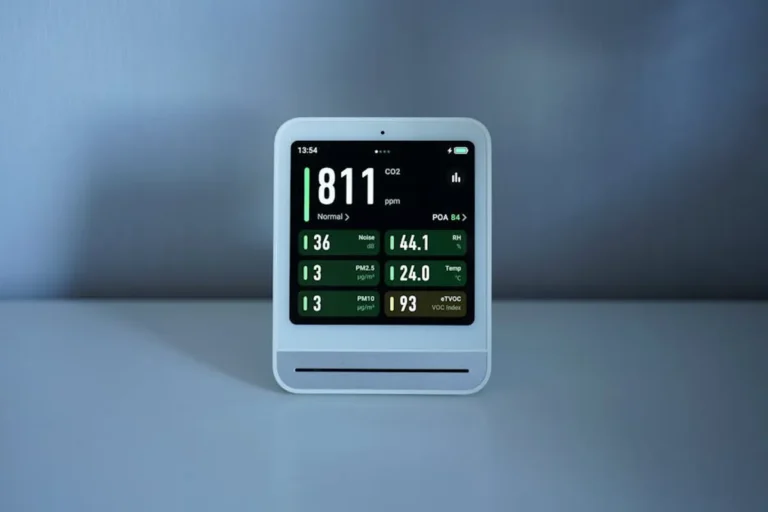
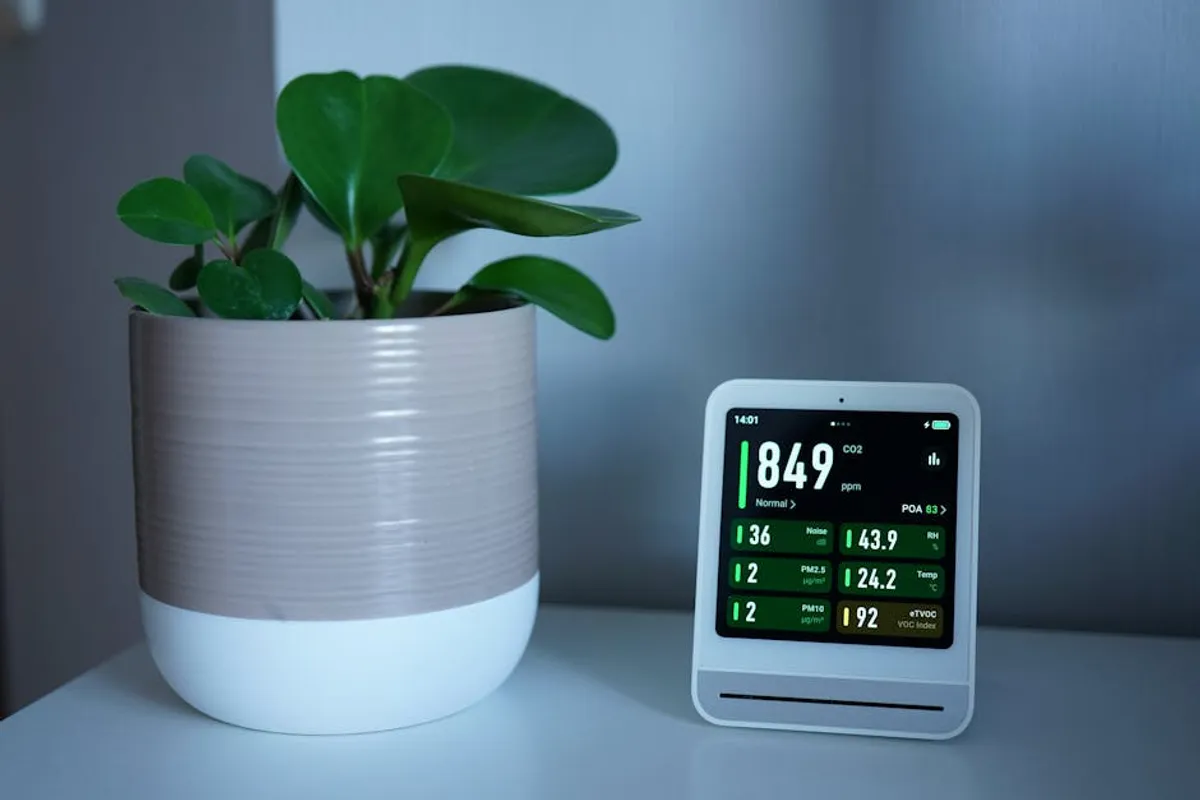
Mechanism: Sensors detect and measure concentrations of various pollutants like PM2.5, VOCs, CO2, temperature, and humidity.
Best for: Data-driven decision making, identifying specific pollutant sources, and tracking the performance of IAQ systems.
Considerations: Sensor accuracy varies significantly between models. Provides data, but does not actively clean the air. Essential for pinpointing problems before selecting solutions.
Pro Tip: Prioritize source control whenever possible. Removing or reducing the source of a pollutant (e.g., using low-VOC paints, properly sealing combustion appliances, fixing water leaks) is always more effective and cost-efficient than attempting to filter or ventilate it away after it has entered the air.
Selecting the Right IAQ Strategy
No single device offers a universal solution for all indoor air quality challenges. An effective IAQ strategy often involves a multi-pronged approach, tailored to the specific environment, occupant needs, and prevailing pollutant profile. Begin with a thorough assessment, ideally using air quality monitors, to pinpoint the primary concerns.
For high particulate loads (e.g., construction dust, heavy pollen seasons), robust HEPA filtration is paramount. For chemical odors or off-gassing from new materials, activated carbon filters are essential. In areas with high humidity or a history of mold, dehumidification is critical, often paired with UV-C light for biological control. For overall fresh air and CO2 management in modern, tightly sealed buildings, a well-designed HRV or ERV system provides continuous, energy-efficient ventilation.
Consider the total cost of ownership, which includes initial purchase price, energy consumption, and recurring filter replacement costs. Evaluate the coverage area of each device and ensure it matches the space it is intended to serve. Integration capabilities, such as smart home compatibility or central HVAC system integration, can also enhance usability and efficiency for larger installations.
Frequently Asked Questions
What is the most critical factor for improving indoor air quality?
Identifying and addressing the specific pollutants present in your environment is the most critical factor. Without this, efforts to improve IAQ may be misdirected and ineffective. Once identified, implementing best practices for indoor air quality will ensure your efforts yield the most significant improvements.
Can one air purifier solve all my indoor air quality problems?
No single air purifier can address all types of indoor air quality issues. Different technologies target different pollutants; for example, HEPA filters remove particles, while activated carbon removes gases and odors. A comprehensive approach often combines multiple technologies.
How often should filters in air purifiers or ventilation systems be changed?
Filter replacement frequency depends on the specific filter type, usage intensity, and ambient air quality. Manufacturers typically provide guidelines, but checking filters visually and adhering to scheduled maintenance is crucial to maintain effectiveness.
Are air purifiers effective against viruses and bacteria?
Some air purifiers, particularly those with UV-C light technology, are designed to inactivate viruses and bacteria. HEPA filters can capture airborne particles that may contain viruses or bacteria, reducing their concentration, but they do not actively kill them.