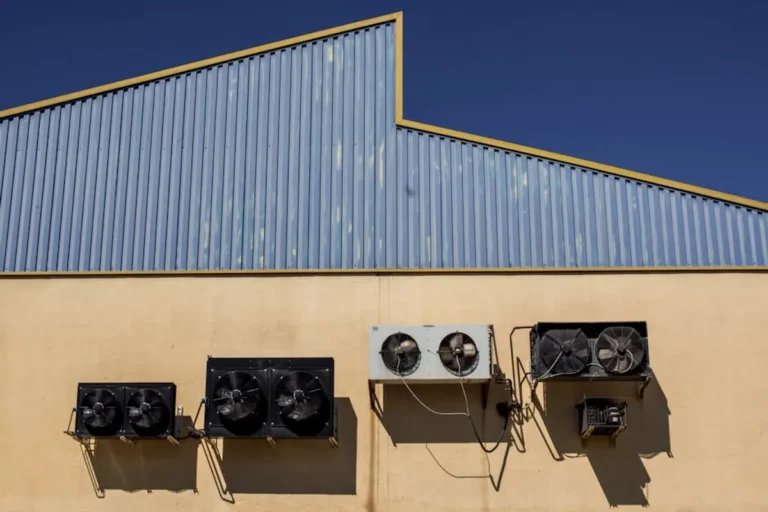

Understanding ventilation and air quality is not merely about comfort; it directly impacts occupant health, productivity, and a building's longevity. For businesses and property managers, poor indoor air can translate into increased absenteeism, reduced cognitive function, and potential structural issues. This guide explains the fundamental principles, essential metrics, and practical strategies for maintaining optimal indoor environments, focusing on the tangible benefits of effective air management. For businesses and property managers, understanding the benefits of effective air management includes following practical tips for maintaining healthy indoor air.
Defining Ventilation: Air Exchange Fundamentals
Ventilation refers to the process of exchanging or replacing air within a space to provide high indoor air quality. This involves both introducing outdoor air into the building and removing indoor air. Proper ventilation dilutes indoor pollutants, controls temperature and humidity, and prevents the buildup of stale air.
Types of Ventilation
- Natural Ventilation: Relies on natural forces like wind pressure and thermal buoyancy (stack effect) to move air through openings such as windows, doors, and vents. While energy-efficient, its effectiveness is highly dependent on external weather conditions and building design.
- Mechanical Ventilation: Utilizes fans and ductwork to actively control airflow. This method offers greater precision in air exchange rates and filtration. Common mechanical systems include exhaust-only, supply-only, and balanced systems.
- Hybrid Ventilation: Combines natural and mechanical systems, often using controls to switch between modes or integrate them for optimized performance and energy efficiency based on indoor and outdoor conditions.
Understanding Indoor Air Quality (IAQ) Metrics
Indoor air quality is a measure of the air within and around buildings, especially as it relates to the health and comfort of building occupants. Key parameters indicate the presence and concentration of various pollutants.
- Particulate Matter (PM): Microscopic solid or liquid particles suspended in the air. PM2.5 (particles 2.5 micrometers or less in diameter) and PM10 are particularly concerning due to their ability to penetrate deep into the respiratory system. Sources include combustion (cooking, heating), dust, and outdoor pollution.
- Volatile Organic Compounds (VOCs): Gases emitted from certain solids or liquids, including paints, cleaning supplies, new furnishings, and building materials. Exposure can cause short-term health effects like eye and respiratory tract irritation, and long-term effects.
- Carbon Dioxide (CO2): While not directly toxic at typical indoor levels, high CO2 concentrations serve as a reliable indicator of inadequate ventilation. Elevated CO2 levels (above 800-1000 ppm) are associated with reduced cognitive function, drowsiness, and increased transmission of airborne pathogens.
- Humidity: Both excessively high and low humidity levels are detrimental. High humidity (above 60%) promotes mold growth and dust mites, while low humidity (below 30%) can cause skin and respiratory irritation. Optimal indoor humidity typically ranges from 40% to 50%.
Impact of Poor Ventilation and IAQ
The commercial implications of neglecting ventilation and air quality are significant, extending beyond health concerns to operational efficiency and asset value.
Health and Productivity: Poor IAQ contributes to "Sick Building Syndrome" symptoms, including headaches, fatigue, and respiratory issues. This directly impacts employee performance, leading to decreased productivity, increased absenteeism, and higher healthcare costs for businesses. For educational institutions, it affects student concentration and learning outcomes.
Building Integrity: Inadequate ventilation can lead to moisture buildup, promoting mold and mildew growth. This not only poses health risks but also compromises building materials, leading to structural damage, increased maintenance costs, and diminished property value. Persistent moisture can also attract pests.
Energy Efficiency: While ventilation requires energy, efficient systems, particularly those with heat recovery (HRV/ERV), can recover up to 80% of heating or cooling energy from exhaust air. This reduces the load on HVAC systems, leading to substantial energy savings compared to simply opening windows or using inefficient exhaust fans.
Advanced Ventilation Strategies
Modern building design and retrofits increasingly integrate sophisticated ventilation systems to achieve superior IAQ and energy performance.
Balanced Mechanical Ventilation with Energy Recovery
Heat Recovery Ventilators (HRVs): These systems introduce fresh outdoor air while simultaneously exhausting stale indoor air. During this process, heat from the outgoing air is transferred to the incoming fresh air, reducing the energy required to condition the new air. HRVs are most effective in colder climates where heating is the primary concern.
Energy Recovery Ventilators (ERVs): Similar to HRVs, ERVs also transfer heat, but they additionally transfer moisture. This makes them suitable for both hot, humid climates (removing moisture from incoming air) and cold, dry climates (adding moisture to incoming air), helping to maintain optimal indoor humidity levels year-round.
Best for: Commercial buildings, schools, healthcare facilities, and energy-efficient residential properties requiring continuous fresh air supply with minimal energy loss.
Pro Tip: Do not rely solely on CO2 monitors for comprehensive air quality assessment. While CO2 is an excellent proxy for ventilation effectiveness and occupant density, it does not directly measure other critical pollutants like VOCs or PM2.5. For a complete picture, integrate multi-parameter air quality sensors that track these specific contaminants. For a complete picture, consider smart building technology by integrating multi-parameter air quality sensors that track these specific contaminants.
Strategies for Enhanced Indoor Air Quality Beyond Ventilation
While ventilation is foundational, a holistic approach to IAQ involves several complementary strategies.
Air Filtration Systems
Integrating high-efficiency air filters into HVAC systems significantly reduces airborne pollutants. MERV (Minimum Efficiency Reporting Value) ratings indicate a filter's ability to capture particles. A MERV 13 filter, for example, can capture over 90% of particles between 1.0 and 10.0 microns and over 50% of particles between 0.3 and 1.0 microns, including bacteria and larger viruses. HEPA (High-Efficiency Particulate Air) filters offer even greater capture rates, often used in medical facilities.
Considerations: Higher MERV ratings can increase static pressure on HVAC systems, potentially requiring fan upgrades or more frequent filter changes to maintain airflow.
Source Control and Material Selection
The most effective way to manage indoor pollutants is to eliminate or reduce their sources. This includes:
- Selecting low-VOC or no-VOC paints, adhesives, and building materials.
- Using solid wood or low-emission engineered wood products.
- Choosing furniture and carpeting certified for low chemical emissions.
- Implementing strict cleaning protocols to minimize dust, allergens, and mold.
- Properly storing chemicals and ensuring adequate ventilation during their use.
IAQ Monitoring Systems
Continuous monitoring provides real-time data on key air quality parameters, allowing for immediate adjustments to ventilation systems or identification of pollutant sources. These systems can track CO2, VOCs, PM2.5, temperature, and humidity, often integrating with building management systems (BMS) for automated control responses.
Benefit: Proactive management, data-driven decision-making, and documented compliance with health standards.
Implementing a Proactive Air Management Strategy
An effective air management strategy requires a systematic approach, beginning with assessment and culminating in continuous optimization. Start by conducting a thorough indoor air quality audit to identify existing issues and potential pollutant sources. Based on this assessment, develop a phased plan that prioritizes critical improvements, such as upgrading filtration, optimizing mechanical ventilation schedules, or integrating energy recovery systems. Regular maintenance of HVAC systems, including duct cleaning and filter replacement, is non-negotiable. Finally, educate occupants on their role in maintaining good IAQ, from proper waste disposal to reporting ventilation issues. This multi-faceted approach ensures a healthier, more productive, and more sustainable indoor environment.
Frequently Asked Questions
What is the ideal indoor CO2 level?
Indoor CO2 levels below 800 parts per million (ppm) are generally considered good. Levels between 800-1200 ppm indicate moderate ventilation, while anything consistently above 1200 ppm suggests inadequate fresh air exchange and merits investigation.
How often should HVAC filters be changed?
For residential settings, filters should typically be changed every 1-3 months, depending on occupancy, pets, and local air quality. In commercial environments, more frequent changes (monthly or quarterly) may be necessary, especially with higher MERV ratings or pollutant loads, as specified by system maintenance schedules.
What is the difference between an HRV and an ERV?
Both HRVs (Heat Recovery Ventilators) and ERVs (Energy Recovery Ventilators) recover heat from exhaust air. The key difference is that ERVs also transfer moisture, making them beneficial for managing humidity in both humid and dry climates, whereas HRVs primarily transfer heat.
Can houseplants improve indoor air quality?
While some studies suggest certain houseplants can remove trace amounts of specific VOCs in laboratory settings, their practical impact on overall indoor air quality in typical building environments is generally minimal compared to effective mechanical ventilation and filtration systems. They offer aesthetic and psychological benefits more than significant pollutant removal.