
Smart building technology integrates a building's core systems—HVAC, lighting, security, and access control—into a unified, intelligent network. The primary objective is to optimize operational efficiency, reduce costs, enhance occupant comfort and safety, and provide actionable data for facility management. For property owners, developers, and facility managers, understanding this technology moves beyond simple automation; it involves leveraging real-time data and predictive analytics to transform static structures into responsive, adaptive environments. The decision to invest in smart building infrastructure is a strategic one, aimed at future-proofing assets, meeting sustainability goals, and improving the overall value proposition of a property.
Core Components Driving Smart Buildings
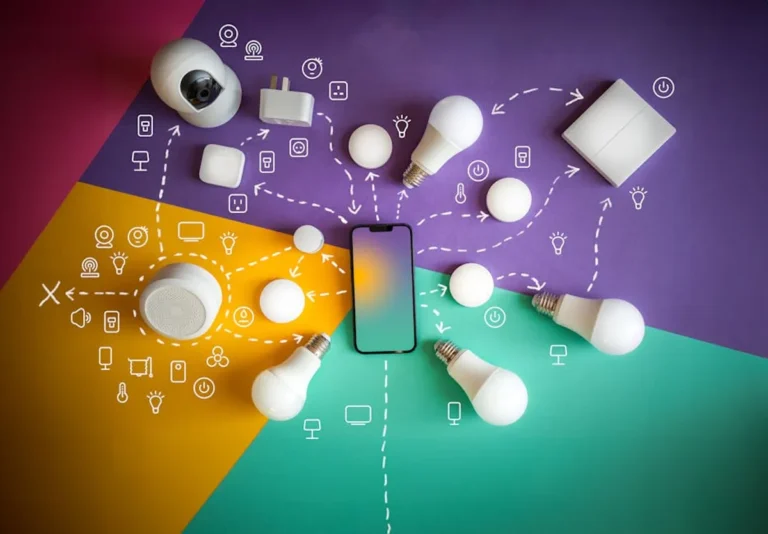
Effective smart building deployments rely on several interconnected technological layers. Each component plays a specific role in data collection, processing, and system response, contributing to the building's overall intelligence.
Sensor Networks
Sensors are the foundational data collectors, monitoring a wide array of environmental and operational parameters. This includes temperature, humidity, CO2 levels, light intensity, occupancy detection, water leakage, and air quality. Advanced sensors can also detect vibration for predictive maintenance on mechanical systems or monitor foot traffic for space utilization analysis. The commercial value derives from granular data collection, enabling precise adjustments that reduce energy waste and improve occupant conditions, moving beyond simple scheduled controls to reactive, real-time optimization.
Actuation Systems
Actuators are the operational arms of a smart building, executing commands based on sensor data and programmed logic. These include smart thermostats, automated blinds, dimmable LED lighting systems, electronically controlled door locks, and variable air volume (VAV) boxes in HVAC systems. Their function is to translate insights into physical actions, directly impacting energy consumption, security posture, and environmental comfort. For example, occupancy sensors detecting an empty room can trigger actuators to dim lights and adjust HVAC setpoints, yielding immediate energy savings.
Connectivity Infrastructure
Reliable and secure communication protocols are critical for data exchange between sensors, actuators, and central control systems. This infrastructure often includes a blend of wired (Ethernet, fiber optic) and wireless technologies (Wi-Fi, Bluetooth, Zigbee, LoRaWAN, cellular). Industry-specific protocols like BACnet and Modbus facilitate interoperability between diverse building systems. The choice of connectivity impacts latency, data throughput, and scalability, directly influencing the responsiveness and integration capabilities of the entire smart building ecosystem. A robust network ensures that data flows without interruption, enabling continuous optimization.
Centralized Control and Management
Building Management Systems (BMS) or Building Automation Systems (BAS) serve as the central nervous system, integrating disparate systems into a single operational platform. These platforms allow facility managers to monitor, control, and schedule building operations from a unified interface. Modern BMS solutions often feature intuitive dashboards, alarm management, and reporting functionalities. The commercial benefit lies in streamlined operations, reduced manual intervention, and a holistic view of building performance, enabling proactive management rather than reactive problem-solving.
Data Analytics and AI Integration
The true "smart" aspect emerges from the analysis of collected data. Advanced analytics platforms and artificial intelligence (AI) algorithms process vast amounts of sensor data to identify patterns, predict potential issues, and recommend or automatically implement optimizations. This includes predictive maintenance scheduling for HVAC equipment based on performance anomalies, dynamic energy optimization based on weather forecasts and occupancy patterns, and space utilization insights. AI-driven systems move beyond simple rule-based automation to continuous learning and adaptive control, maximizing efficiency and minimizing operational downtime.
Tangible Commercial Benefits
Implementing smart building technology delivers measurable advantages that directly impact a property's bottom line and long-term viability:
- Reduced Energy Consumption: Optimized HVAC, lighting, and power management can cut energy costs by 15-30% through demand-response strategies and real-time adjustments.
- Lower Operational Expenses: Predictive maintenance reduces equipment downtime and extends asset life, while automated tasks decrease labor costs for routine facility management.
- Enhanced Occupant Experience: Improved indoor air quality, personalized climate control, and intelligent lighting contribute to higher tenant satisfaction, productivity, and retention rates.
- Improved Security Posture: Integrated access control, video surveillance, and intrusion detection systems provide comprehensive protection and faster incident response times.
- Increased Sustainability and ESG Compliance: Demonstrable reductions in carbon footprint and resource consumption support environmental, social, and governance (ESG) reporting requirements, attracting environmentally conscious tenants and investors.
- Higher Asset Value: Smart buildings are more attractive to prospective tenants and buyers, commanding higher rental yields and market valuations due to their efficiency, modernity, and adaptability.
Strategic Implementation Considerations
A successful smart building deployment requires careful planning and a clear understanding of potential challenges. Ignoring these factors can lead to fragmented systems, security vulnerabilities, and missed ROI opportunities.
Initial Assessment and Goal Setting
Before any technology procurement, conduct a thorough assessment of existing infrastructure, identify specific pain points, and define clear, measurable objectives. Are you primarily aiming for energy savings, improved occupant comfort, or enhanced security? Establishing these priorities guides technology selection and ensures alignment with business outcomes. A detailed audit of current systems, energy consumption, and operational workflows provides a baseline for measuring future improvements.
Interoperability and Scalability
Prioritize systems that support open standards and APIs (Application Programming Interfaces) to ensure seamless communication between different vendors' equipment. Proprietary systems can lead to vendor lock-in, limiting future expansion or integration with new technologies. Scalability is equally important; choose solutions that can easily expand to accommodate future growth or evolving operational needs without requiring a complete overhaul.
Data Security and Privacy Protocols
Smart buildings generate and process vast amounts of sensitive data, including occupancy patterns, energy usage, and security footage. Robust cybersecurity measures are non-negotiable. Implement strong encryption, access controls, regular security audits, and compliance with relevant data privacy regulations (e.g., GDPR, CCPA). A data breach can have severe financial and reputational consequences, making security a paramount concern from the outset.
Integration with Legacy Systems
Many existing buildings will integrate new smart technologies with older, established systems. This often presents a significant challenge. Plan for middleware, gateways, or custom integration layers to bridge the gap between legacy infrastructure and modern IoT devices. A phased approach, starting with critical systems and gradually expanding, can mitigate risks and allow for iterative learning.
Training and Ongoing Support
The most advanced smart building technology is ineffective without competent personnel to manage it. Invest in comprehensive training for facility managers and operational staff. Ensure that vendors provide clear documentation, ongoing technical support, and regular software updates. A long-term maintenance plan is crucial for sustaining performance and realizing the full benefits of the investment.
Operationalizing Smart Building Technology
Energy Management Systems
These systems centrally monitor and control energy consumption across all building assets. They leverage real-time data from smart meters, sub-meters, and environmental sensors to identify inefficiencies, implement demand-side management, and integrate with utility grids for peak shaving. The result is optimized energy procurement and reduced utility bills.
Environmental Control Systems (HVAC)
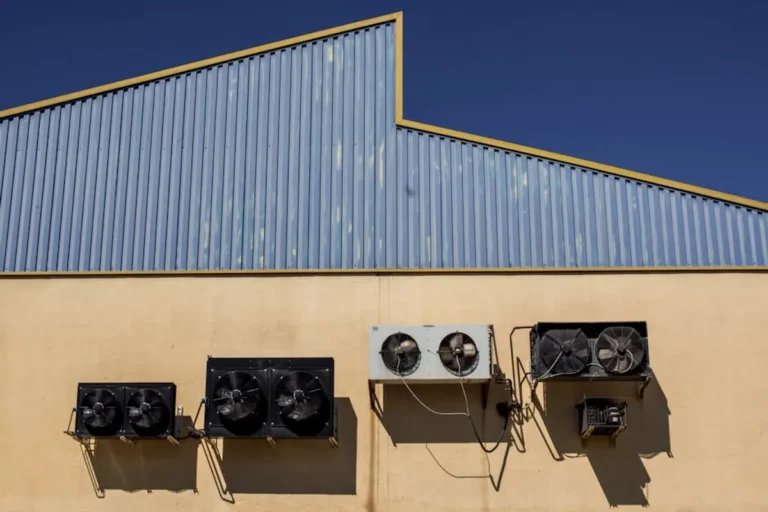
Smart HVAC systems go beyond simple thermostats. They integrate occupancy data, external weather forecasts, and internal air quality readings to dynamically adjust heating, ventilation, and air conditioning. This ensures optimal thermal comfort and air quality while minimizing energy waste, often through zone-specific control and predictive algorithms.
Advanced Lighting Control
From daylight harvesting to occupancy-based dimming, smart lighting systems adapt to natural light levels and human presence. Networked LED fixtures can be individually controlled, scheduled, and monitored, providing significant energy savings and contributing to occupant well-being through tunable white light and circadian rhythm support.
Integrated Security and Access
This involves unifying video surveillance, access control, intrusion detection, and intercom systems into a single platform. Features include biometric access, real-time alerts, remote monitoring, and automated lockdown procedures. The integration enhances situational awareness and streamlines emergency response protocols.
Space Utilization and Occupancy
Sensors track how spaces are used, providing data on occupancy rates, foot traffic patterns, and desk utilization. This intelligence informs space planning, optimizes cleaning schedules, and helps organizations understand how to reconfigure layouts for maximum efficiency and collaboration. It directly impacts real estate costs and employee experience.
Predictive Maintenance
Instead of scheduled or reactive maintenance, smart buildings employ sensors on critical equipment (e.g., chillers, elevators, pumps) to monitor performance anomalies. AI algorithms analyze this data to predict potential failures before they occur, allowing for proactive maintenance, reduced downtime, and extended equipment lifespan. This shifts maintenance from a cost center to a strategic operational advantage.
Pro Tip: When evaluating smart building solutions, always demand clear documentation on data ownership and export capabilities. Ensure you retain full control over your building's operational data and can export it in open, non-proprietary formats. This safeguards against vendor lock-in and facilitates future integrations or analytics initiatives, protecting your long-term investment.
Maximizing Your Smart Building Investment
Realizing the full potential of smart building technology requires a strategic, long-term perspective. Begin with clearly defined goals and a comprehensive understanding of your existing infrastructure. Prioritize interoperability to avoid fragmented systems and ensure scalability for future needs. Robust data security protocols are non-negotiable, given the sensitive nature of operational data. Finally, invest in continuous training for your staff and establish a clear maintenance and support plan. By addressing these areas proactively, businesses can transform their properties into efficient, responsive, and future-ready assets that deliver sustained commercial value.
Frequently Asked Questions
What is the typical ROI for smart building investments?
Return on investment for smart building technology varies widely but often ranges from 2-5 years, driven primarily by energy savings, reduced operational costs, and increased asset value. Specific ROI depends on the scope of implementation, existing building efficiency, and the chosen technologies.
Are smart building systems secure from cyber threats?
Smart building systems can be secure if implemented with robust cybersecurity measures, including network segmentation, strong encryption, access controls, and regular vulnerability assessments. However, like any networked system, they are susceptible to threats if security is not a primary design and operational consideration.
Can smart building technology be integrated into older buildings?
Yes, smart building technology can be integrated into older buildings, often through a phased approach. Retrofitting typically involves adding sensors, upgrading control systems, and implementing wireless communication protocols to minimize disruption. Legacy systems can often be interfaced using gateways or middleware.
What are the primary benefits for occupants in a smart building?
Occupants benefit from enhanced comfort through optimized temperature and lighting, improved indoor air quality, personalized control options, and increased safety via integrated security systems. These factors contribute to a more productive, healthier, and satisfying environment.