
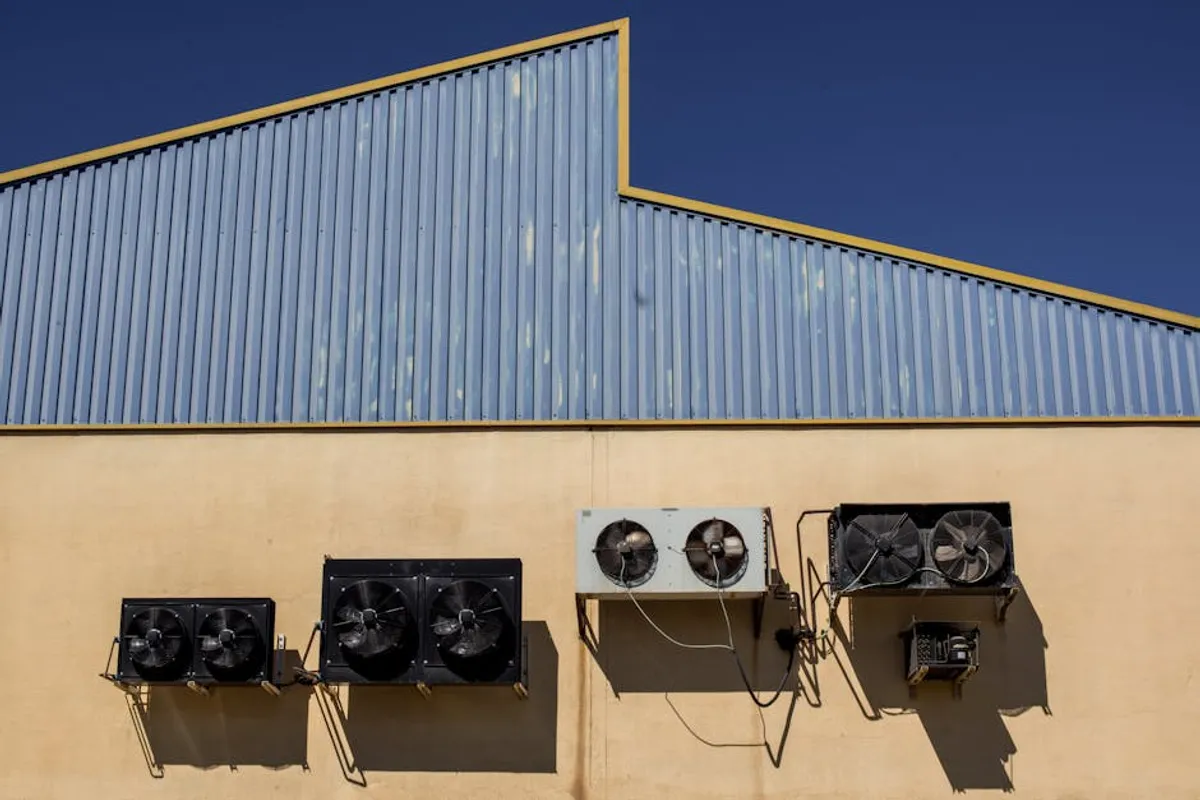
Upgrading heating, ventilation, and air conditioning (HVAC) systems in older buildings presents a distinct set of challenges and opportunities. Unlike new construction, these projects often involve navigating existing architectural constraints, preserving historical integrity, and integrating modern technology with aged infrastructure. The goal extends beyond mere temperature control; it encompasses improving energy efficiency, enhancing occupant comfort, mitigating structural wear, and ensuring compliance with evolving building codes, all while managing operational costs. Decisions regarding HVAC upgrades in older properties require a strategic approach, balancing initial investment with long-term operational savings and property value enhancement.
Key Considerations for Older Building HVAC Upgrades
Before committing to specific HVAC technologies, a thorough assessment of the building's unique characteristics is paramount. Older structures frequently feature diverse construction materials, varying insulation levels, and sometimes, historical preservation requirements that influence permissible modifications. Factors to evaluate include the current building envelope's integrity (windows, doors, insulation), existing ductwork or piping infrastructure, the building's primary use (residential, commercial, institutional), and the long-term operational budget. Understanding these elements informs choices that maximize efficiency gains without compromising the building's aesthetic or structural integrity. Prioritize solutions that offer modularity, zoning capabilities, and adaptability to future changes, as these often provide the most flexible and cost-effective outcomes over time.
1. High-Efficiency Furnaces and Boilers
Replacing outdated furnaces or boilers with modern, high-efficiency models is a foundational upgrade for many older buildings. Contemporary units utilize condensing technology to extract more heat from fuel, achieving AFUE (Annual Fuel Utilization Efficiency) ratings upwards of 95%. This contrasts sharply with older systems, which often operate at 60-70% efficiency. For buildings with existing hydronic (boiler) or forced-air (furnace) distribution, this upgrade minimizes disruption while significantly reducing natural gas or oil consumption.
Best For: Buildings with existing functional ductwork or hydronic piping; properties seeking direct fuel cost reduction without major system overhauls.
Pros:
- Substantial reduction in energy consumption and operating costs.
- Improved indoor comfort through more consistent heating.
- Lower emissions due to more complete fuel combustion.
- Often qualifies for energy efficiency rebates and incentives.
Cons:
- Requires proper venting for condensate, which can be complex in older structures.
- Still reliant on fossil fuels, if not paired with renewable energy sources.
- Can be a significant upfront investment, though payback periods are often favorable.
Verdict: A critical first step for many, offering immediate energy savings and enhanced comfort while leveraging existing distribution infrastructure. Prioritize professional sizing and installation to maximize efficiency.
2. Ductless Mini-Split Systems
Ductless mini-splits offer a versatile heating and cooling solution, particularly for older buildings lacking existing ductwork or where preserving architectural features is crucial. These systems consist of an outdoor condenser unit connected to multiple indoor air-handling units via small refrigerant lines, eliminating the need for extensive duct installation. Each indoor unit can control the temperature in its zone independently, providing highly localized comfort and energy efficiency.
Best For: Buildings without existing ductwork; additions or renovations; spaces requiring individualized temperature control; historical properties where duct installation is impractical.
Pros:
- Eliminates the need for disruptive and costly duct installation.
- Offers zoned heating and cooling, reducing energy waste in unoccupied areas.
- High energy efficiency, often exceeding traditional central systems.
- Quiet operation compared to window units or older central systems.
Cons:
- Indoor units are visible on walls or ceilings, potentially impacting aesthetics.
- Multiple outdoor units may be required for larger buildings.
- Initial cost per zone can be higher than extending existing ductwork.
Verdict: An excellent choice for preserving historical integrity and achieving flexible, efficient comfort in buildings where traditional ducted systems are not feasible or desired.
3. Geothermal Heat Pumps
Geothermal heat pumps utilize the stable temperature of the earth to provide highly efficient heating and cooling. This technology extracts heat from the ground in winter and rejects heat into the ground in summer. While requiring significant upfront investment for ground loop installation, geothermal systems offer exceptional long-term energy savings and a reduced carbon footprint, making them a sustainable option for older buildings with adequate land.
Best For: Properties with sufficient land for ground loop installation; owners prioritizing long-term energy independence and environmental sustainability; buildings with high energy demands.
Pros:
- Extremely high energy efficiency, often yielding 300-500% efficiency.
- Significantly lower operating costs compared to conventional systems.
- Long lifespan for underground components (50+ years).
- Quiet operation and minimal visible outdoor equipment.
Cons:
- High initial installation cost due to ground loop drilling or excavation.
- Requires adequate land area for horizontal loops or deep drilling for vertical loops.
- Installation can be disruptive to landscaping.
Verdict: A premium, long-term solution for maximum energy efficiency and environmental benefit, best suited for properties with space and a commitment to significant upfront investment for substantial future savings.
4. Zoned HVAC Systems
Zoning allows different areas or "zones" within a building to be heated or cooled independently, rather than treating the entire structure as a single temperature unit. This is particularly beneficial in older buildings with varying thermal loads across different rooms due to sun exposure, occupancy patterns, or architectural design. Zoning can be implemented with new or existing ducted systems through dampers and multiple thermostats.
Best For: Large older homes or commercial buildings with diverse occupancy patterns; properties with significant temperature discrepancies between different areas.
Pros:
- Reduces energy consumption by only conditioning occupied or necessary zones.
- Enhances occupant comfort by allowing personalized temperature control.
- Can extend the life of HVAC equipment by reducing overall run time.
- Relatively straightforward to integrate with existing forced-air systems.
Cons:
- Adds complexity to the ductwork and control system.
- Improper design can lead to airflow issues or pressure imbalances.
- Initial installation cost for zoning controls and dampers.
Verdict: An effective strategy for optimizing comfort and efficiency in larger, older buildings by matching heating and cooling output to specific area needs, often yielding significant energy savings.
5. Smart Thermostats and Advanced Controls
Upgrading to smart thermostats and integrated building management systems (BMS) offers a cost-effective way to enhance control and efficiency in older buildings without replacing major equipment. These devices learn occupancy patterns, allow remote management, and integrate with other smart home or building systems. For larger properties, a BMS can centralize control over multiple HVAC units, lighting, and security, optimizing performance across the entire facility.
Best For: All older buildings seeking improved energy management and convenience; properties with existing functional HVAC systems but lacking granular control.
Pros:
- Significant energy savings through optimized scheduling and remote management.
- Enhanced comfort and convenience for occupants.
- Provides data on energy usage patterns, enabling further optimization.
- Relatively low upfront cost compared to full system replacements.
Cons:
- Requires some technical setup and user training.
- Reliance on Wi-Fi or network connectivity.
- Advanced BMS systems can be complex to implement in very old, disparate systems.
Verdict: A highly recommended, accessible upgrade for immediate energy savings and improved control, serving as a foundational step towards a more intelligent and efficient building.
6. Radiant Floor Heating
Radiant floor heating involves circulating warm water through PEX tubing embedded in the floor or electric heating elements beneath the floor surface. This system heats objects and surfaces directly, providing a consistent, comfortable warmth without forced air. While installation is disruptive, it's an excellent option during major renovations of older buildings, offering superior comfort and silent operation.
Best For: Major renovation projects in older buildings; properties prioritizing comfort, silent operation, and even heat distribution; spaces where forced-air systems are problematic.
Pros:
- Exceptional comfort due to even heat distribution and no drafts.
- Highly energy efficient as water is an excellent heat transfer medium.
- Silent operation and no visible vents or radiators.
- Can be paired with renewable energy sources like solar thermal or geothermal.
Cons:
- High installation cost and significant disruption to existing flooring.
- Slow response time for temperature changes.
- Not suitable for cooling, requiring a separate system for air conditioning.
Verdict: A premium heating solution offering unparalleled comfort and efficiency, best integrated into comprehensive renovation projects where the disruption can be managed.
7. Energy Recovery Ventilators (ERVs) and Heat Recovery Ventilators (HRVs)
Older buildings often suffer from poor indoor air quality due to inadequate ventilation, or conversely, excessive heat loss/gain from opening windows. ERVs and HRVs introduce fresh outdoor air while recovering a significant portion of the energy from the exhausted indoor air. HRVs primarily transfer sensible heat, while ERVs transfer both sensible and latent heat (moisture), making them ideal for managing humidity in older, often drafty, structures.
Best For: Buildings with concerns about indoor air quality, humidity control, or excessive ventilation heat loss/gain; properties undergoing air sealing and insulation upgrades.
Pros:
- Improves indoor air quality by continuously introducing fresh air.
- Reduces heating and cooling loads by recovering energy from exhaust air.
- Helps control humidity levels, especially ERVs.
- Essential for tightly sealed, energy-efficient older buildings.
Cons:
- Requires ductwork for air distribution, which can be challenging in existing structures.
- Initial installation cost and ongoing filter maintenance.
- Effectiveness can be reduced if the building envelope remains leaky.
Verdict: A crucial upgrade for maintaining healthy indoor air quality and optimizing energy efficiency in older buildings, especially after envelope improvements that reduce natural air infiltration.
8. Hydronic Heating System Upgrades (e.g., Modern Radiators)
For older buildings already equipped with hydronic (hot water) heating systems, upgrading components like radiators, baseboard heaters, or even the piping can yield significant benefits. Modern radiators are often more efficient, offer better heat distribution, and come in designs that can complement historical aesthetics. Replacing old, corroded pipes reduces leaks and improves system performance, especially when paired with a high-efficiency boiler.
Best For: Buildings with existing hydronic heating systems; properties seeking to improve comfort and efficiency without converting to forced air.
Pros:
- Leverages existing infrastructure, minimizing disruption.
- Improved heat distribution and aesthetic appeal with modern radiators.
- Reduces maintenance issues associated with aging components.
- Can be combined with zoning controls for better energy management.
Cons:
- Still relies on water as the heat transfer medium, which can be slow to respond.
- Replacement of piping can be invasive if not part of a larger renovation.
- Does not provide cooling capabilities.
Verdict: A practical and often overlooked upgrade for existing hydronic systems, enhancing comfort and reliability while preserving the character of the building's heating method.
9. Variable Refrigerant Flow (VRF) Systems
VRF systems are advanced ductless HVAC solutions, particularly suitable for larger older commercial or multi-zone residential buildings. They use a single outdoor unit connected to multiple indoor units, similar to mini-splits, but with the ability to simultaneously provide heating and cooling to different zones. This allows for highly customized comfort and exceptional energy efficiency, especially in buildings with diverse thermal requirements.
Best For: Large older commercial buildings, multi-unit residential properties, or complex historical buildings needing precise, simultaneous heating and cooling in different zones.
Pros:
- Highly energy efficient due to variable compressor speed and heat recovery capabilities.
- Simultaneous heating and cooling in different zones.
- Quiet operation and flexible indoor unit types (cassette, ducted, wall-mounted).
- Minimal ductwork required, preserving architectural integrity.
Cons:
- High initial capital cost compared to conventional systems.
- Requires specialized design and installation expertise.
- Complex control systems that may require specific training.
Verdict: A sophisticated and highly efficient solution for complex older buildings requiring flexible, zone-specific temperature control, justifying the higher upfront cost with significant long-term energy savings.
10. Insulation and Air Sealing
While not strictly an HVAC component, improving the building envelope through insulation and air sealing is arguably the most impactful "upgrade" for an older building's HVAC performance. Addressing drafts, inadequate wall/attic insulation, and leaky windows/doors reduces the load on any heating or cooling system, allowing smaller, more efficient units to perform optimally. This foundational work often yields the highest return on investment.
Best For: Every older building, regardless of current HVAC system; properties experiencing high energy bills and inconsistent temperatures.
Pros:
- Reduces energy consumption for heating and cooling across the board.
- Improves indoor comfort by eliminating drafts and cold spots.
- Protects the building structure from moisture damage.
- Often a prerequisite for maximizing the efficiency of new HVAC equipment.
Cons:
- Can be disruptive, especially for wall insulation or window replacement.
- Requires careful planning to avoid moisture issues in older building materials.
- May not be fully visible, making it an "invisible" upgrade.
Verdict: The essential first step for any HVAC improvement project in an older building; investing here amplifies the benefits of all other HVAC upgrades and ensures long-term performance.
11. High-Velocity Mini-Duct Systems
High-velocity mini-duct systems offer a solution for adding central air conditioning (and sometimes heating) to older buildings that lack traditional ductwork. These systems use small, flexible, insulated ducts (typically 2-inch diameter) that can be snaked through existing wall cavities, ceilings, and floors with minimal demolition. They deliver air at a higher velocity, creating aspiration that mixes room air effectively for even temperature distribution.
Best For: Older buildings requiring central air conditioning without the space for conventional ductwork; historical properties where minimal aesthetic impact is crucial.
Pros:
- Minimal disruption during installation compared to conventional ductwork.
- Effective cooling and dehumidification.
- Small, inconspicuous vents that blend with historical aesthetics.
- Can provide heating when paired with a heat pump or hot water coil.
Cons:
- Can be noisier than conventional low-velocity systems if not properly designed and installed.
- Higher energy consumption due to the fan motor working harder to push air at high velocity.
- Initial cost can be higher than ductless mini-splits for comparable zones.
Verdict: A specialized solution for integrating central comfort into historically sensitive or space-constrained older buildings, balancing aesthetic preservation with modern climate control.
12. Desiccant Dehumidification Systems
Older buildings, particularly those in humid climates or with basements/crawl spaces, frequently contend with excessive indoor humidity. This can lead to mold growth, musty odors, and discomfort, even if temperatures are controlled. Desiccant dehumidification systems use a material (desiccant) that absorbs moisture from the air, then regenerates by expelling that moisture outdoors. These systems can be integrated with existing HVAC or operate independently to maintain optimal humidity levels.
Best For: Older buildings with persistent humidity issues; properties in humid climates; basements, archives, or spaces requiring precise humidity control for preservation.
Pros:
- Effectively controls latent heat (moisture) independently of temperature.
- Prevents mold growth, protects building materials, and improves indoor air quality.
- Enhances comfort, allowing for higher thermostat settings in summer.
- Can reduce the load on conventional air conditioning systems.
Cons:
- Adds another piece of equipment to the HVAC system.
- Requires a dedicated exhaust path for moisture removal.
- Initial cost and energy consumption for regeneration.
Verdict: A vital upgrade for older buildings battling chronic humidity, offering significant benefits for occupant health, comfort, and the preservation of the building's structure and contents.
Measuring Success and Choosing a Provider
The success of an HVAC upgrade in an older building is quantifiable through several metrics: a measurable reduction in energy consumption (tracked via utility bills or smart meter data), improved occupant comfort (fewer complaints, consistent temperatures), enhanced indoor air quality (reduced allergens, balanced humidity), and a favorable return on investment (ROI) derived from energy savings and increased property value. Documenting baseline conditions before the upgrade allows for accurate post-installation comparisons.
Selecting the right HVAC contractor is paramount. Seek providers with demonstrated experience working on older and historically significant properties. They should understand the unique structural and aesthetic considerations, offer detailed energy audits, and provide comprehensive proposals outlining equipment specifications, installation procedures, projected savings, and warranty information. Prioritize contractors who emphasize system design tailored to the building's specific needs, rather than a one-size-fits-all approach. Verify licenses, insurance, and references, and ensure they offer ongoing maintenance plans to preserve the longevity and efficiency of the new system.
Frequently Asked Questions
What is the most cost-effective HVAC upgrade for an older building?
Improving insulation and air sealing is typically the most cost-effective initial upgrade, as it reduces the overall heating and cooling load, allowing any HVAC system to operate more efficiently. Smart thermostats are also a low-cost, high-impact option.
Can I install central air conditioning in an older building without ductwork?
Yes, options like ductless mini-split systems or high-velocity mini-duct systems are specifically designed for buildings without existing traditional ductwork, minimizing disruption during installation.
How do I ensure an HVAC upgrade doesn't compromise my older building's historical integrity?
Consult with an HVAC contractor experienced in historical properties. They can recommend discreet solutions like mini-splits with hidden lines, high-velocity systems with small vents, or geothermal systems with minimal visible outdoor components. Prioritize solutions that require minimal invasive structural changes.
What is the lifespan of modern HVAC systems in older buildings?
The lifespan varies by system type. Furnaces and air conditioners typically last 15-20 years, while boilers can last 20-30 years. Geothermal ground loops can last 50+ years. Proper sizing, professional installation, and regular maintenance are critical for maximizing longevity.
Are there rebates or incentives for upgrading HVAC in older buildings?
Many utility companies, local governments, and federal programs offer rebates, tax credits, or low-interest loans for energy-efficient HVAC upgrades. Research available incentives in your specific region before planning your project to offset initial costs.