Facilities managers, property owners, and operational leaders face increasing pressure to reduce operating expenses, meet sustainability targets, and ensure uninterrupted service. Smart energy monitoring for facilities offers a direct pathway to achieving these objectives by transforming opaque utility bills into actionable insights. This technology moves beyond basic meter readings, providing granular, real-time data on energy consumption across various systems and equipment. The commercial decision to implement such a system hinges on understanding its capacity to not only pinpoint inefficiencies but also to inform strategic capital expenditure, optimize maintenance schedules, and demonstrate tangible environmental stewardship. What is Smart Energy Monitoring? Smart energy monitoring involves the deployment of interconnected sensors, meters, and data collection platforms to continuously track and analyze energy usage within a facility. Unlike traditional utility billing, which provides aggregated monthly data, smart systems offer minute-by-minute or even second-by-second insights into electricity, gas, water, and other resource consumption. This granular data is then processed and visualized, often through cloud-based dashboards, to reveal patterns, anomalies, and opportunities for optimization. The core value lies in making invisible energy flows visible and quantifiable. Key Components of a Smart System
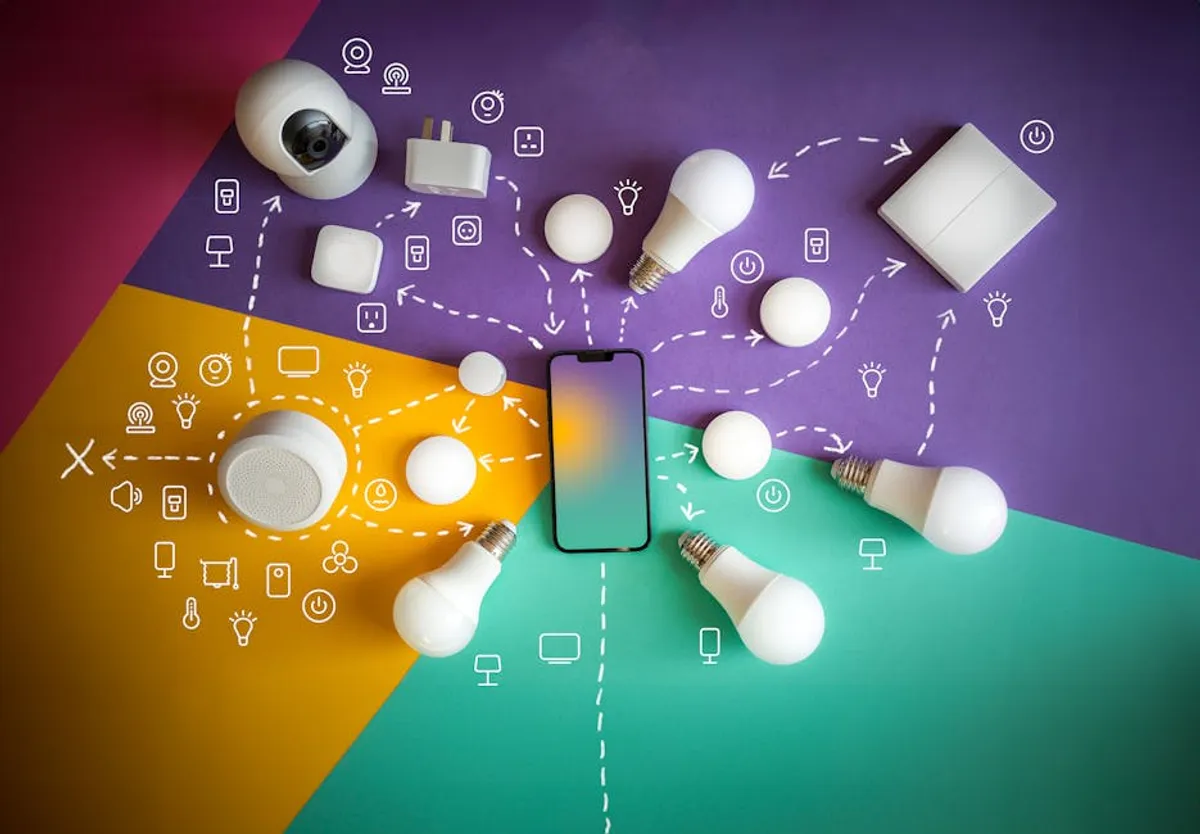
A typical smart energy monitoring system integrates several critical elements:
- Smart Meters and Sensors: These devices capture data at various points, from whole-building consumption to individual circuits or specific pieces of equipment (e.g., HVAC units, production lines). They measure parameters like voltage, current, power factor, and temperature.
- Data Loggers and Gateways: These components collect raw data from meters and sensors, aggregating it before transmitting it to a central processing unit or cloud platform. They often handle initial data filtering and time-stamping.
- Communication Networks: Secure and reliable networks (e.g., Wi-Fi, Ethernet, cellular, LoRaWAN) ensure continuous data flow from devices to the analytics platform.
- Data Analytics Platform: This software layer processes the collected data, applies algorithms to identify trends, benchmarks performance, detects anomalies, and generates reports. Many platforms incorporate machine learning for predictive analysis.
- User Interface (Dashboard): A visual interface provides stakeholders with access to real-time data, historical trends, customized reports, and alerts, enabling informed decision-making.
Operational Benefits for Facilities Implementing a smart energy monitoring system delivers several distinct operational advantages that directly impact a facility's bottom line and strategic goals. Cost Reduction and ROI
The most immediate benefit is the ability to identify and eliminate energy waste. By understanding exactly when and where energy is consumed, facilities can:
* **Optimize Peak Demand:** Identify periods of high energy usage that trigger costly demand charges and implement strategies to shift or reduce loads during these times.
* **Pinpoint Inefficiencies:** Detect equipment operating outside optimal parameters, identify phantom loads (energy consumed by idle equipment), and uncover faulty systems.
* **Validate Energy Conservation Measures (ECMs):** Quantify the actual savings from upgrades like LED lighting conversions or HVAC improvements, proving ROI. Predictive Maintenance and Uptime
Energy consumption patterns can serve as early indicators of equipment health. A sudden spike in a motor's energy draw, for example, might signal a failing bearing before a catastrophic breakdown occurs. This enables:
* **Condition-Based Maintenance:** Shift from time-based or reactive maintenance to proactive interventions based on actual equipment performance data.
* Reduced Downtime: Address potential failures before they lead to costly operational interruptions.
* Extended Asset Lifespan: Ensure equipment operates efficiently, reducing wear and tear. Regulatory Compliance and Sustainability Reporting
With increasing pressure for environmental, social, and governance (ESG) reporting, smart monitoring provides the verifiable data needed to demonstrate progress.
* **Accurate Carbon Footprint Calculation:** Precisely measure energy consumption to calculate greenhouse gas emissions.
* **Compliance with Standards:** Meet energy efficiency mandates and sustainability reporting frameworks.
* **Enhanced Brand Reputation:** Publicly demonstrate commitment to sustainability, attracting environmentally conscious clients and talent. Implementation Considerations Successful deployment of smart energy monitoring requires careful planning beyond just selecting hardware. Data Integration and Analytics
The true power of smart monitoring lies in its analytics capabilities. A robust system should offer:
* **Customizable Dashboards:** Tailored views for different stakeholders (e.g., maintenance teams, finance, executives).
* **Alerting Capabilities:** Automated notifications for abnormal consumption patterns or equipment malfunctions.
* **Integration with BMS/CMMS:** Seamless data exchange with existing Building Management Systems (BMS) or Computerized Maintenance Management Systems (CMMS) for a holistic operational view.
* **Benchmarking:** Compare energy performance against industry standards or similar facilities. Sensor Placement and Network Architecture
Strategic sensor deployment is crucial for capturing meaningful data without over-instrumenting the facility.
* **Targeted Sub-metering:** Focus on high-consumption areas, critical equipment, or specific departments for detailed insights.
* **Scalability:** Design a network that can easily expand to accommodate future monitoring needs or new facility additions.
* **Cybersecurity:** Ensure the network and data platform are protected against unauthorized access and cyber threats. Choosing a System Selecting the right smart energy monitoring system involves evaluating several factors to ensure it aligns with the facility's specific needs and long-term goals. Scalability and Future-Proofing
A system should be capable of growing with the facility. Consider:
* **Modularity:** Can additional sensors or monitoring points be easily added without overhauling the entire infrastructure?
* **Open APIs:** Does the platform offer open application programming interfaces for integration with other software or future technologies?
* **Vendor Support:** Evaluate the vendor's commitment to ongoing software updates and hardware compatibility. User Interface and Reporting Capabilities
The data is only valuable if it's accessible and understandable. Look for:
* **Intuitive Dashboards:** Clear, customizable visualizations that present complex data in an easy-to-digest format.
* **Automated Reporting:** Ability to schedule and generate regular reports for different audiences (e.g., daily operational summaries, monthly financial reports, annual sustainability reports).
* **Granularity Control:** The ability to drill down from whole-building consumption to individual circuit data with ease. Pro Tip
Pro Tip: Before investing in any smart energy monitoring system, establish a clear baseline of current energy consumption and identify specific, measurable goals. Without a baseline, it's impossible to accurately quantify savings or measure the impact of efficiency initiatives. Define what success looks like (e.g., 15% reduction in peak demand, 10% overall electricity savings) to guide system selection and demonstrate ROI.
Leveraging Data for Strategic Decisions Beyond identifying immediate savings, the data from smart energy monitoring systems can inform long-term strategic planning. This includes evaluating capital investments in energy-efficient equipment, optimizing operational schedules, and even influencing architectural design for new constructions or renovations. By understanding the true cost of energy for specific processes or areas, facilities can make data-driven decisions about resource allocation and operational priorities, moving from reactive problem-solving to proactive optimization. This transforms energy management from a cost center into a strategic asset. Driving Facility Efficiency The implementation of smart energy monitoring is not a one-time project but an ongoing process of data collection, analysis, and refinement. To maximize the benefits, facilities should:
* **Regularly Review Data:** Establish a routine for analyzing reports and dashboards to identify new trends or anomalies.
* **Act on Insights:** Translate data-driven insights into concrete actions, such as adjusting HVAC schedules, repairing leaky compressed air lines, or optimizing lighting controls.
* **Engage Stakeholders:** Involve maintenance teams, operations staff, and even occupants in understanding energy consumption and promoting conservation efforts.
* **Continuously Optimize:** Use the system to test the impact of changes and refine strategies for continuous improvement in energy performance. Frequently Asked Questions How quickly can a facility see ROI from smart energy monitoring?
ROI varies based on the facility's initial energy consumption, the scale of the system implemented, and the effectiveness of subsequent efficiency measures. Many facilities report seeing significant savings within 12-24 months through reduced energy waste and optimized operations. Is smart energy monitoring difficult to install in existing facilities?
Modern smart energy monitoring systems are often designed for non-invasive installation, utilizing wireless sensors and clamp-on current transformers that minimize disruption to existing electrical infrastructure. The complexity depends on the desired level of granularity and the facility's existing network capabilities. How secure is the energy consumption data collected by these systems?
Reputable smart energy monitoring providers prioritize data security, employing encryption protocols for data transmission and storage, multi-factor authentication for access, and robust cybersecurity measures to protect against breaches. It's crucial to vet a vendor's security practices. Can smart energy monitoring integrate with my existing building automation system (BAS)?
Many advanced smart energy monitoring platforms offer APIs and integration capabilities to connect with existing BAS, CMMS, and other operational software. This allows for a unified view of facility performance and enables automated responses based on energy data.