Integrating Heating, Ventilation, and Air Conditioning (HVAC) systems with broader smart building technologies presents a significant opportunity for facility managers, property owners, and corporate real estate professionals. This convergence moves beyond simple automation, aiming for holistic operational efficiency, reduced energy consumption, and enhanced occupant experiences. The decision to invest in smart HVAC integration is not merely a technical upgrade; it is a strategic business imperative driven by the need for measurable cost savings, improved asset longevity, and compliance with evolving sustainability mandates. Understanding the practical pathways and critical considerations for this integration is essential for unlocking its full commercial potential. This convergence moves beyond simple automation, aiming for holistic operational efficiency and occupant experiences, which is a key aspect of smart building technology explained.
The Strategic Imperative of Integrated Building Systems
The traditional approach to HVAC management often operates in silos, separate from other building systems like lighting, security, and access control. Smart building integration seeks to unify these disparate systems under a single, intelligent operational framework. This shift is driven by the availability of advanced sensors, robust data analytics, and interconnected device ecosystems that enable real-time monitoring and predictive control across an entire building's infrastructure.
Defining Smart HVAC Integration
Smart HVAC integration involves connecting individual HVAC components (e.g., chillers, boilers, air handling units, thermostats) to a central intelligent building management system (BMS) or a dedicated smart building platform. This connection allows for data exchange, centralized control, and automated responses based on various environmental and occupancy inputs. The goal is to move from reactive maintenance and fixed schedules to proactive, adaptive system performance that responds dynamically to actual building needs. Smart HVAC integration involves connecting individual HVAC components to a central intelligent building management system or a dedicated smart building platform, a foundational element of building automation guide for beginners.
Core Benefits for Facility Management
The commercial advantages of a fully integrated smart HVAC system are quantifiable and extend across several operational domains:
- Energy Efficiency: By optimizing heating and cooling based on real-time occupancy, external weather conditions, and predictive models, energy waste is significantly reduced. This translates directly into lower utility bills.
- Operational Cost Reduction: Beyond energy, predictive maintenance capabilities minimize equipment downtime and extend asset lifespans, reducing repair costs and capital expenditure on premature replacements.
- Enhanced Occupant Comfort and Productivity: Fine-tuned climate control, personalized environmental settings, and improved indoor air quality contribute to a more comfortable and healthier environment, which can boost tenant satisfaction and employee productivity.
- Regulatory Compliance and ESG Reporting: Integrated systems provide accurate data on energy consumption and carbon footprint, simplifying compliance with environmental regulations and supporting Environmental, Social, and Governance (ESG) reporting initiatives.
- Data-Driven Decision Making: Comprehensive data collection offers insights into building performance, allowing managers to identify inefficiencies, optimize operational strategies, and make informed investment decisions.
Foundational Technologies for Smart HVAC
Successful smart HVAC integration relies on several interlocking technological pillars that enable data acquisition, processing, and intelligent control.
Sensor Networks and IoT Ecosystems
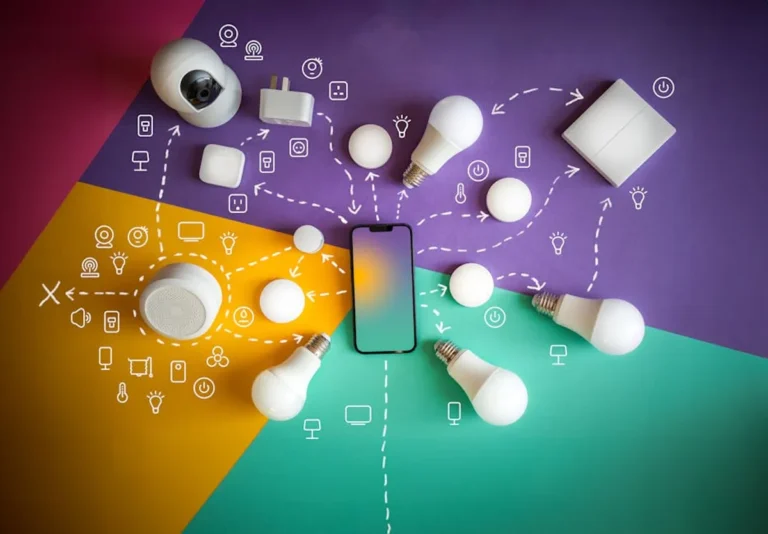
At the heart of any smart building are ubiquitous sensor networks. These include temperature, humidity, CO2, volatile organic compound (VOC), occupancy, and light sensors. These devices, often part of a broader Internet of Things (IoT) ecosystem, collect granular data points that feed into the central management system. The quality and density of these sensor deployments directly influence the precision and effectiveness of HVAC optimization.
Data Analytics and AI for Predictive Control
Raw sensor data holds limited value without sophisticated analysis. Smart building platforms leverage advanced data analytics, machine learning (ML), and artificial intelligence (AI) algorithms to process this information. These capabilities enable:
- Predictive Maintenance: Identifying potential equipment failures before they occur, allowing for scheduled maintenance rather than emergency repairs.
- Load Forecasting: Anticipating heating and cooling demands based on historical data, weather forecasts, and building occupancy patterns.
- Anomaly Detection: Flagging unusual energy consumption patterns or system behaviors that indicate inefficiencies or malfunctions.
Interoperability Standards and Protocols
The ability of diverse systems and devices to communicate seamlessly is paramount. Industry-standard communication protocols ensure interoperability:
- BACnet (Building Automation and Control Network): A widely adopted data communication protocol for building automation and control systems.
- Modbus: A serial communication protocol used for connecting industrial electronic devices.
- KNX: An open standard for commercial and residential building automation.
- Zigbee/Z-Wave: Wireless mesh network protocols often used for smaller IoT devices and sensors.
Selecting systems that adhere to open standards minimizes vendor lock-in and facilitates future expansions or integrations.
Implementing a Unified HVAC and Smart Building Strategy
The transition to an integrated smart HVAC system requires careful planning, strategic vendor selection, and a clear understanding of potential challenges.
Phased Deployment and Scalability Considerations
A full-scale overhaul can be disruptive and costly. A phased approach allows organizations to test, learn, and scale effectively. This might involve:
- Pilot Projects: Implementing smart HVAC in a single zone or floor to demonstrate ROI and refine processes.
- Modular Expansion: Gradually extending integration to other areas or systems based on successful pilots.
- Future-Proofing: Designing the initial infrastructure with scalability in mind, anticipating future technology advancements and increased data volumes.
Vendor Selection and System Compatibility
Choosing the right technology partners is critical. Evaluate vendors not just on their individual product capabilities but on their commitment to open standards, integration expertise, and long-term support. Compatibility between new smart building platforms and existing legacy HVAC equipment must be thoroughly assessed. Retrofitting older systems may require specialized gateways or interface modules to ensure data flow and control.
Pro Tip: When evaluating smart building platforms, prioritize systems with robust API (Application Programming Interface) documentation and a proven track record of integrating with diverse third-party hardware and software. A closed ecosystem, while potentially simpler initially, can lead to significant limitations and higher costs for future expansion or customization.
Operationalizing Performance and Security
Once integrated, the ongoing management of smart HVAC systems focuses on continuous optimization and robust security.
Continuous Optimization Through Data Feedback
Smart systems are not "set and forget." They require ongoing monitoring and adjustment based on the data they generate. This involves:
- Performance Baselines: Establishing benchmarks for energy consumption and operational efficiency.
- Regular Audits: Periodically reviewing system performance against baselines and adjusting control algorithms as needed.
- Feedback Loops: Utilizing occupant feedback and real-world performance data to refine comfort settings and operational schedules.
Addressing Cybersecurity and Data Privacy
Connecting HVAC systems to the internet introduces cybersecurity risks. Protecting sensitive building data and preventing unauthorized access to critical infrastructure is paramount. Implement:
- Network Segmentation: Isolating building control networks from corporate IT networks.
- Strong Authentication: Implementing multi-factor authentication for all system access.
- Regular Updates: Ensuring all software and firmware are kept up-to-date with the latest security patches.
- Data Encryption: Encrypting data at rest and in transit to protect privacy and integrity.
Practical Steps for System Modernization
To effectively modernize and integrate HVAC into a smart building framework, consider these actionable steps:
- Conduct a Comprehensive Audit: Assess existing HVAC infrastructure, current energy consumption patterns, and potential integration points.
- Define Clear Objectives: Establish specific, measurable goals for energy savings, comfort improvements, or operational efficiencies.
- Develop an Integration Roadmap: Outline a phased deployment strategy, identifying quick wins and long-term projects.
- Invest in Data Infrastructure: Ensure robust network connectivity, data storage, and analytics capabilities are in place.
- Train Personnel: Equip facility management and IT staff with the skills necessary to operate and maintain the new integrated systems.
- Monitor and Iterate: Continuously track performance, gather feedback, and make data-driven adjustments to optimize system operation.
Frequently Asked Questions
What is the typical ROI for smart HVAC integration?
ROI varies significantly based on building size, existing infrastructure, and specific implementation. However, many organizations report payback periods of 2-5 years through reduced energy costs, lower maintenance expenses, and extended equipment life.
How does smart HVAC integration impact existing building automation systems?
Ideally, a smart HVAC integration will enhance or replace components of an existing Building Automation System (BAS) by providing more granular control, predictive capabilities, and better interoperability with other smart building technologies. Compatibility assessments are crucial during planning.
What are the main cybersecurity risks for integrated HVAC systems?
Key risks include unauthorized access leading to system manipulation, data breaches compromising occupant privacy, and denial-of-service attacks disrupting building operations. Robust network security, access controls, and regular vulnerability assessments are essential.
Can smart HVAC systems integrate with renewable energy sources?
Yes, advanced smart HVAC systems can integrate with renewable energy sources like solar or wind power. This allows for optimized energy consumption by prioritizing renewable energy use when available, storing energy, and even feeding excess power back into the grid, further enhancing sustainability and cost savings.