Maintaining an HVAC system effectively prevents escalating repair costs, ensures consistent indoor comfort, and extends equipment lifespan. However, common oversights in routine care can undermine these benefits, leading to premature system failure, inefficient operation, and higher utility bills. Understanding and avoiding these prevalent HVAC maintenance mistakes is critical for homeowners and property managers aiming to protect their investment and maintain a comfortable living or working environment. Following these recommendations for effective HVAC maintenance tips will help you avoid common pitfalls and ensure your system runs smoothly.
Neglecting Regular Filter Changes
One of the most frequent and impactful maintenance errors involves HVAC filters. These components are designed to trap dust, pollen, pet dander, and other airborne particulates, protecting both the indoor air quality and the system's internal mechanisms. When filters become clogged, their ability to perform this function diminishes significantly, creating a cascade of negative effects. Understanding the impact of clogged filters is one of many important examples of filter maintenance that homeowners often overlook.
Impact on Airflow and Efficiency
A dirty filter restricts airflow through the HVAC system. This forces the blower motor to work harder to pull air through the unit, consuming more energy and increasing electricity bills. The reduced airflow also compromises the system's ability to heat or cool effectively, leading to longer run times and inconsistent temperatures throughout the property. Over time, this sustained strain can shorten the lifespan of the blower motor and other critical components.
Health Implications
Beyond mechanical strain, neglected filters contribute directly to poor indoor air quality. As filters become saturated, they can no longer effectively capture new contaminants. Instead, trapped particles may decompose or become a breeding ground for mold and bacteria, which are then recirculated into the living space. This can exacerbate allergies, asthma, and other respiratory issues for occupants.
Skipping Professional Tune-Ups
While filter changes are a user-level task, professional tune-ups address a broader spectrum of preventative maintenance. Many property owners view annual service as an optional expense, not recognizing its role in long-term system health and financial savings.
Identifying Minor Issues Before They Escalate
During a professional tune-up, technicians perform a comprehensive inspection of the entire HVAC system. This includes checking refrigerant levels, inspecting electrical connections, lubricating moving parts, cleaning coils, and verifying thermostat accuracy. These proactive checks often uncover minor issues—like a loose wire or a slightly low refrigerant charge—that, if left unaddressed, could quickly develop into major, costly breakdowns. Early detection and repair prevent these small problems from cascading into system failures during peak demand periods.
Maintaining Warranty Validity
Many HVAC manufacturers stipulate that professional annual maintenance is a condition for keeping the system's warranty valid. Skipping these tune-ups can void the warranty, leaving the owner responsible for the full cost of repairs if a major component fails. Professional service records provide documented proof of adherence to these warranty terms.
Ignoring Unusual Noises or Smells
HVAC systems communicate their operational health through sensory cues. Ignoring these signals is a common mistake that often leads to more significant repairs down the line.
Common Indicators of Trouble
A properly functioning HVAC system operates with minimal discernible noise beyond the sound of airflow. Any new or unusual sounds—such as grinding, squealing, banging, or persistent clicking—typically indicate a mechanical problem. Similarly, strange odors, like a burning smell, a musty scent, or a chemical odor, are strong indicators of issues ranging from electrical faults to mold growth or refrigerant leaks.
The Risk of Delayed Diagnosis
Delaying investigation into these symptoms allows underlying problems to worsen. A squealing noise from a failing motor bearing, for instance, will eventually lead to motor seizure if not addressed. A burning smell from an electrical component could precede a complete electrical failure or even a fire hazard. Promptly investigating and resolving these early warning signs is crucial for preventing more extensive damage and ensuring safety.
Improper Thermostat Usage
The thermostat is the control center of an HVAC system, and its incorrect use can lead to inefficiencies and discomfort.
Setting and Forgetting
Many users set their thermostat to a fixed temperature and rarely adjust it. This "set and forget" approach, especially when away from the property for extended periods, results in unnecessary energy consumption. For example, maintaining a comfortable temperature in an unoccupied building wastes energy and money. Similarly, manually adjusting the thermostat drastically rather than gradually can overwork the system.
The Smart Thermostat Advantage
Modern smart thermostats offer programmable schedules, remote access, and learning capabilities that optimize energy usage. They can automatically adjust temperatures based on occupancy, time of day, and even local weather forecasts. Investing in and properly utilizing a smart thermostat can significantly reduce energy waste and improve system efficiency without sacrificing comfort.
Overlooking Outdoor Unit Care
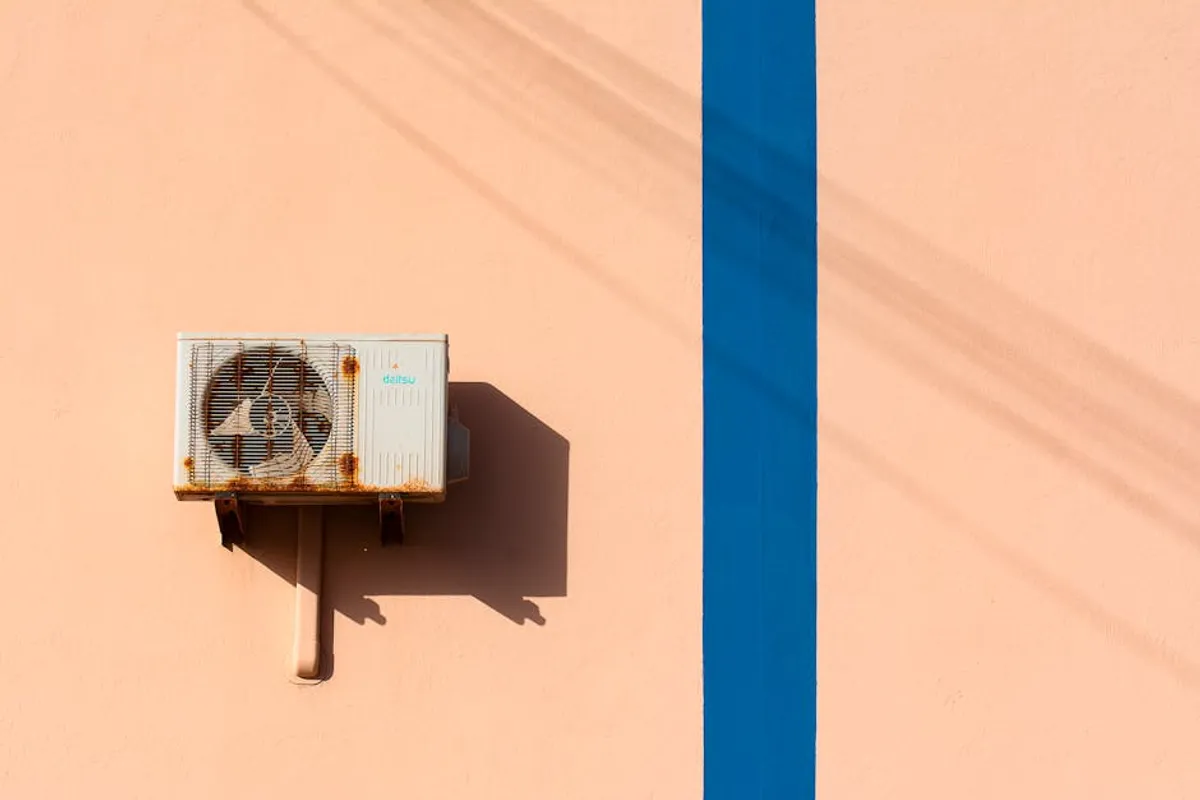
The outdoor unit (condenser) of an HVAC system is exposed to the elements and often neglected, leading to performance issues.
Keeping Coils Clean
The condenser coils dissipate heat from the refrigerant. If these coils become covered in dirt, leaves, grass clippings, or other debris, their ability to release heat is compromised. This forces the compressor to work harder, increasing energy consumption and reducing cooling capacity. Regular cleaning of the outdoor coils is essential for efficient operation.
Ensuring Clearances
Vegetation, fences, or other obstructions too close to the outdoor unit can impede airflow, similar to dirty coils. Manufacturers typically recommend maintaining at least 2 feet of clear space around the entire unit. Ensuring proper clearance allows for optimal airflow and heat exchange, preventing the system from overworking.
Pro Tip: Before attempting any cleaning or maintenance on your outdoor HVAC unit, always ensure the power to the unit is completely shut off at the circuit breaker. This prevents accidental startup and potential injury during work near moving parts or electrical components.
DIY Repairs Without Expertise
While some basic maintenance tasks are suitable for homeowners, attempting complex repairs without proper training or tools is a significant and risky mistake.
Safety Hazards
HVAC systems contain high-voltage electrical components, pressurized refrigerant lines, and moving parts. Working with these elements without appropriate safety knowledge can lead to severe electrical shocks, refrigerant burns, or mechanical injuries. Beyond personal safety, improper handling of refrigerants can also harm the environment.
Voiding Warranties and Causing Further Damage
Most HVAC warranties explicitly state that repairs must be performed by certified technicians. Attempting DIY repairs on complex components will almost certainly void the warranty, leaving the owner responsible for future repair costs. Furthermore, an amateur repair attempt can easily misdiagnose the problem, use incorrect parts, or inadvertently cause additional damage, turning a minor issue into a major, more expensive repair.
Proactive HVAC Care for Longevity and Savings
Avoiding these common HVAC maintenance mistakes is not merely about preventing immediate breakdowns; it is a strategic approach to managing property assets. Regular, informed maintenance directly translates into lower operating costs through improved energy efficiency, fewer emergency repairs, and an extended system lifespan. Prioritizing routine filter changes, scheduling annual professional tune-ups, heeding system warnings, optimizing thermostat use, and maintaining the outdoor unit collectively ensure a reliable, efficient, and comfortable indoor environment, safeguarding both comfort and investment.
Frequently Asked Questions
How often should HVAC filters be changed?
Most HVAC manufacturers recommend changing filters every 30 to 90 days. Factors like pet ownership, allergies, and the level of household dust can necessitate more frequent changes, sometimes monthly.
What are the benefits of an annual HVAC tune-up?
Annual tune-ups improve energy efficiency, reduce the likelihood of unexpected breakdowns, extend the system's lifespan, maintain indoor air quality, and often keep your manufacturer's warranty valid.
Can I clean my outdoor HVAC unit myself?
You can safely perform basic cleaning of the outdoor unit, such as removing leaves and debris from around the unit and gently rinsing the coils with a garden hose after turning off the power. For deep cleaning of coils or internal components, professional service is recommended.
What are signs my HVAC system needs professional attention?
Key signs include unusual noises (grinding, banging, squealing), strange odors (burning, moldy, chemical), reduced airflow, inconsistent heating or cooling, sudden spikes in energy bills, or water leaks around the unit.