Ignoring HVAC maintenance isn't just about a potential breakdown; it's about steadily eroding efficiency, higher energy bills, and a shortened system lifespan. For property owners and managers, understanding and implementing a consistent maintenance regimen for heating, ventilation, and air conditioning (HVAC) systems translates directly into significant operational savings, enhanced occupant comfort, and reliable equipment performance. This isn't merely about preventing emergencies; it's about optimizing an essential asset's output and longevity, ensuring that a substantial investment continues to deliver value efficiently. To ensure you cover all bases, having a comprehensive maintenance checklist can be incredibly beneficial for your HVAC system's health.
Essential DIY Maintenance Activities
Filter Replacement
Air filters are the first line of defense for your HVAC system, protecting internal components from dust, allergens, and debris while also impacting indoor air quality. A clogged filter restricts airflow, forcing the system to work harder, which increases energy consumption and accelerates wear on the blower motor. Filters should be checked monthly and replaced every 1 to 3 months, depending on usage, the presence of pets, and occupancy levels. Higher-efficiency filters, rated by their MERV (Minimum Efficiency Reporting Value), capture smaller particles but can also restrict airflow more significantly. A MERV 8 filter generally offers a good balance for residential use, providing effective filtration without unduly straining most standard systems. Systems designed for higher MERV filters (e.g., MERV 11-13) can handle the increased resistance, offering superior air purification.
Coil Cleaning
Both the indoor evaporator coil and the outdoor condenser coil are critical for heat exchange. Over time, evaporator coils accumulate dust, dirt, and moisture, creating a sticky film that acts as an insulator, reducing the coil's ability to absorb heat from the indoor air. This forces the compressor to run longer to achieve desired temperatures. Condenser coils, exposed to outdoor elements, collect leaves, grass clippings, dirt, and other debris, which impede the release of heat to the outside air. Cleaning these coils annually, or more frequently in dusty environments or areas with heavy foliage, restores their heat transfer efficiency. For outdoor coils, simply clearing visible debris and gently rinsing with a hose can make a substantial difference. Indoor coil cleaning often requires professional attention due to accessibility and the need for specialized cleaning agents.
Condensate Drain Line Clearing
During cooling operation, the evaporator coil removes humidity from the air, producing condensation. This water collects in a drain pan and flows out through a condensate drain line. Over time, algae, mold, and sludge can build up in this line, leading to clogs. A clogged drain line can cause water to back up, potentially overflowing the drain pan and causing water damage to ceilings, walls, or flooring. Many systems also have a safety switch that shuts off the unit if the pan overflows, leading to unexpected outages. Regularly flushing the drain line with a mixture of distilled white vinegar and water can prevent these blockages. This simple task can avert costly water damage and inconvenient system shutdowns.
Optimizing Thermostat Settings
Your thermostat is the command center for your HVAC system. Utilizing a programmable or smart thermostat allows for precise temperature control and scheduling, aligning heating and cooling cycles with occupancy patterns. Setting back the temperature by 7-10 degrees Fahrenheit for 8 hours a day (e.g., when away at work or sleeping) can reduce energy consumption by up to 10% annually. Smart thermostats offer additional benefits, such as remote access, learning capabilities, and integration with home automation systems, further refining energy use based on real-time data and user preferences. Correct calibration ensures the thermostat accurately reflects the room temperature and prevents the system from running unnecessarily.
Outdoor Unit Clearance
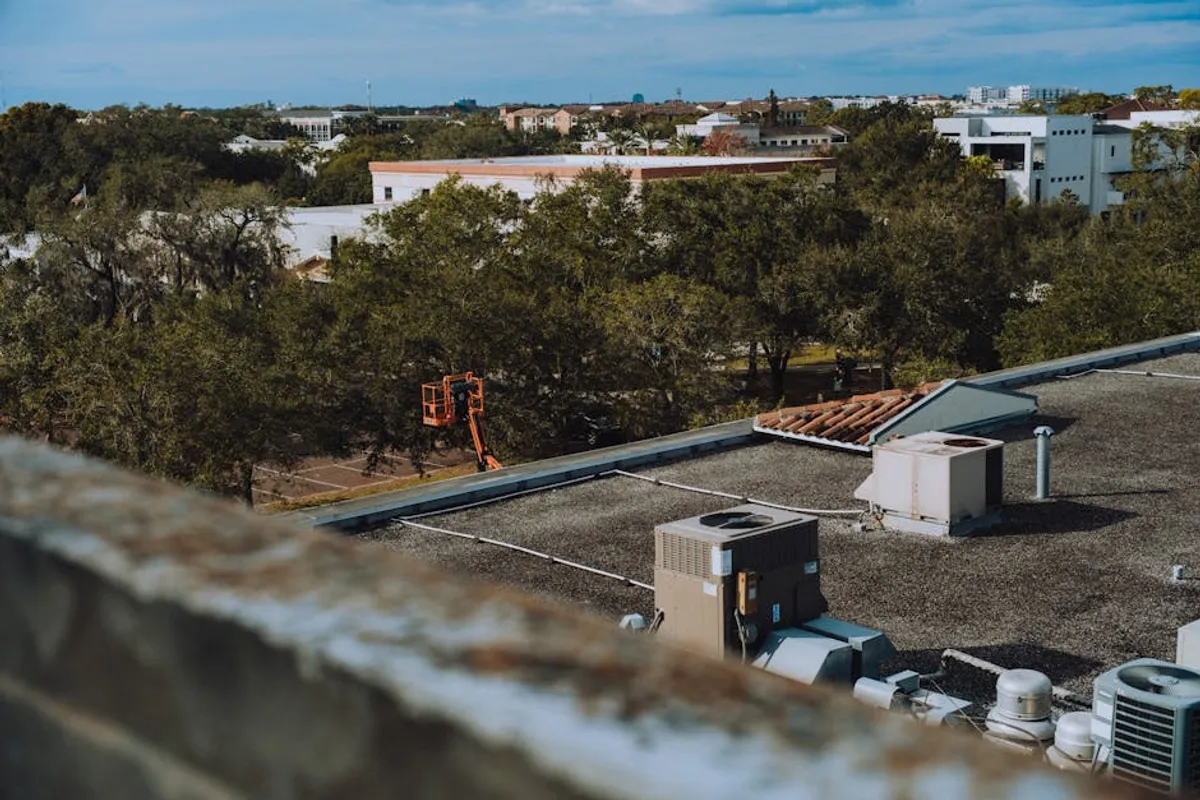
The outdoor unit (condenser) requires unobstructed airflow to dissipate heat effectively. Ensure there is at least two feet of clearance around the unit in all directions. Trim back shrubs, trees, and other vegetation. Remove any accumulated leaves, dirt, or debris from the top and sides of the unit. Blocked airflow forces the compressor to work harder, increasing energy consumption and reducing the unit's lifespan. Regularly checking and clearing this area is a quick, impactful task that directly supports system efficiency.
The Value of Annual Professional Servicing
While DIY tasks are crucial, an annual professional tune-up by a certified HVAC technician provides a deeper level of inspection and maintenance that homeowners typically cannot perform. These comprehensive checks ensure the system operates at peak efficiency, identify potential issues before they escalate into costly breakdowns, and often maintain manufacturer warranty validity.
A professional service typically includes:
- Refrigerant Level Check: Ensuring the proper refrigerant charge is critical for efficient cooling. Low levels indicate a leak, which a technician can locate and repair.
- Electrical Connection Inspection: Loose or corroded connections can cause safety hazards and reduce system efficiency. Technicians tighten and clean these connections.
- Lubrication of Moving Parts: Motors and bearings require lubrication to reduce friction and wear, extending their lifespan.
- Calibration of Thermostat: Verifying the thermostat's accuracy ensures it communicates correctly with the HVAC system.
- Ductwork Inspection: Checking for leaks or disconnections in ductwork prevents conditioned air loss, which can account for 20-30% of a system's energy consumption.
- Combustion Analysis (for furnaces): Ensuring safe and efficient fuel burning, checking for carbon monoxide leaks.
Warning: Attempting to handle refrigerant or complex electrical components without proper training and tools is dangerous and illegal. Refrigerant leaks are harmful to the environment, and improper handling can lead to severe injury. Always defer these tasks to a licensed professional.
Tangible Benefits of Consistent HVAC Maintenance
Regular HVAC maintenance delivers measurable advantages that extend beyond mere comfort:
Energy Efficiency: A well-maintained system consumes less energy to achieve desired temperatures. Clean coils, optimized airflow, and proper refrigerant levels directly translate to lower monthly utility bills, often offsetting the cost of maintenance itself.
Extended Equipment Lifespan: Just like a car, regular servicing prevents premature wear and tear on critical components. This delays the need for expensive system replacements, maximizing the return on your initial investment.
Improved Indoor Air Quality: Clean filters and coils reduce the circulation of dust, allergens, mold spores, and other airborne contaminants, contributing to a healthier indoor environment, particularly beneficial for occupants with allergies or respiratory sensitivities.
Fewer Breakdowns and Enhanced Reliability: Proactive maintenance identifies and addresses minor issues before they escalate into major failures, reducing the likelihood of inconvenient and costly emergency repairs, especially during peak heating or cooling seasons.
Warranty Compliance: Many HVAC manufacturers require proof of annual professional maintenance to keep their warranties valid. Neglecting service can void coverage, leaving you responsible for the full cost of repairs or replacements.
Maximizing HVAC Longevity and Performance
Implementing a consistent HVAC maintenance schedule is a strategic decision that protects your property's comfort systems and your financial resources. By combining routine DIY tasks with annual professional inspections, you ensure your HVAC equipment operates at its highest potential, delivering consistent performance, optimal energy efficiency, and a longer operational life. This proactive approach minimizes unexpected costs, enhances indoor air quality, and provides peace of mind, knowing that a critical building system is reliably maintained.
Frequently Asked Questions
How often should I change my HVAC filter?
Generally, filters should be checked monthly and replaced every 1 to 3 months. Factors like pets, allergies, and the number of occupants can necessitate more frequent changes.
What happens if I neglect HVAC maintenance?
Neglecting maintenance leads to reduced energy efficiency, higher utility bills, decreased indoor air quality, increased likelihood of costly breakdowns, and a shortened lifespan for your system. It can also void your manufacturer's warranty.
Can I perform all HVAC maintenance myself?
While many tasks like filter replacement and outdoor unit cleaning are suitable for DIY, complex checks involving refrigerant levels, electrical components, or combustion analysis require a certified professional due to safety concerns and specialized tools.
When is the best time for professional HVAC servicing?
It is recommended to schedule professional maintenance twice a year: once in the spring before the cooling season begins, and once in the fall before the heating season starts. This ensures both components are ready for peak demand.