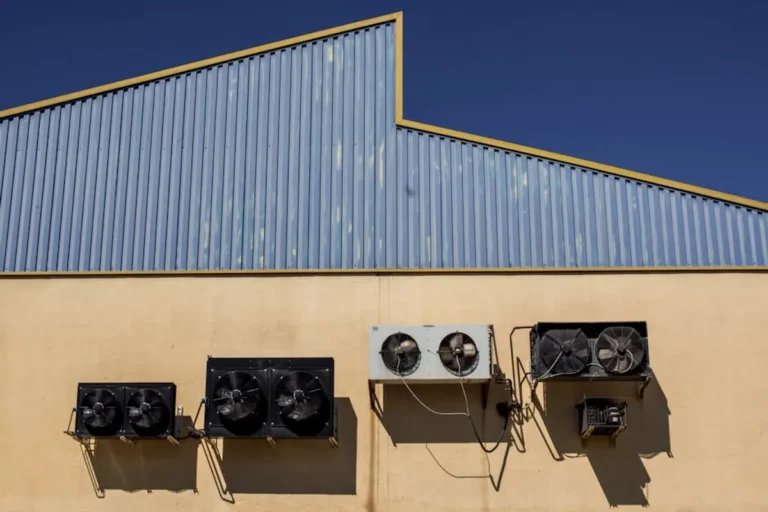
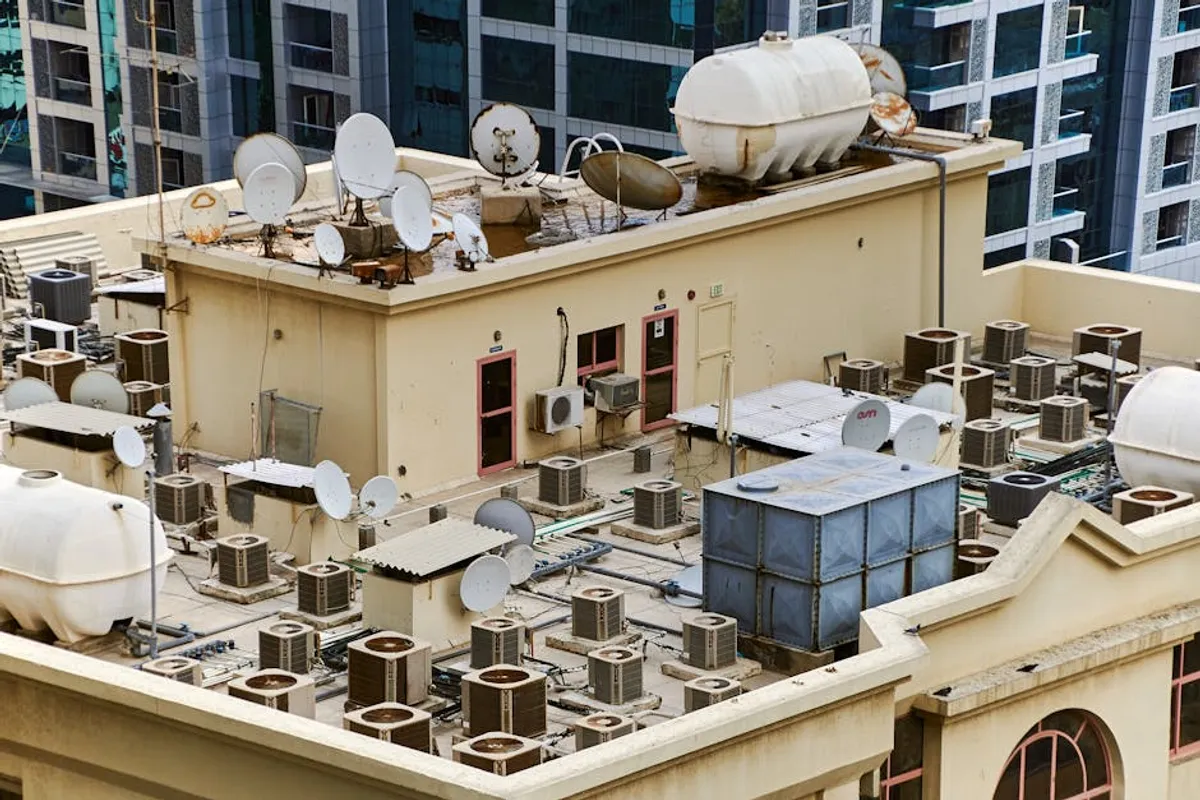
For any business, maintaining a comfortable and healthy indoor environment is not merely a convenience; it is a direct contributor to operational efficiency, employee productivity, and customer satisfaction. The Heating, Ventilation, and Air Conditioning (HVAC) system is central to this environment, representing a significant capital investment and a consistent operational expense. Neglecting HVAC maintenance leads directly to increased energy consumption, premature equipment failure, costly emergency repairs, and potential disruptions to business continuity. Implementing a structured HVAC maintenance checklist is not an overhead cost but a strategic decision that protects assets, optimizes utility spending, and ensures a consistent, productive workspace.
The Commercial Imperative for Proactive HVAC Maintenance
A systematic approach to HVAC care extends beyond simply keeping the air flowing. It directly impacts a business's bottom line and operational stability.
Cost Savings and Energy Efficiency
Regular maintenance ensures HVAC systems operate at peak efficiency. Clogged filters, dirty coils, and uncalibrated thermostats force units to work harder, consuming more electricity or fuel. A well-maintained system can reduce energy consumption by 10-20%, directly lowering utility bills. Furthermore, identifying minor issues early prevents them from escalating into major, expensive repairs or complete system replacements.
Equipment Longevity and Reliability
HVAC systems are complex machines with numerous moving parts. Consistent lubrication, belt tension adjustments, and component inspections prevent undue wear and tear. This proactive approach significantly extends the operational lifespan of units, delaying the need for costly capital expenditures on new equipment. Reliable operation also minimizes unexpected downtime, which can halt business operations, impact production, or deter customers.
Indoor Air Quality and Occupant Comfort
For businesses, indoor air quality (IAQ) directly affects employee health, comfort, and productivity. A well-maintained HVAC system filters out dust, allergens, and pollutants more effectively, reducing the incidence of respiratory issues and sick days. Consistent temperature and humidity control contribute to a more pleasant working or shopping environment, enhancing focus for employees and comfort for customers.
Regulatory Compliance and Safety
Certain industries and jurisdictions have specific regulations regarding indoor air quality, ventilation rates, and building safety standards. Proper HVAC maintenance ensures compliance, avoiding potential fines or legal liabilities. Regular inspections can also identify potential safety hazards, such as refrigerant leaks, electrical faults, or carbon monoxide buildup, protecting both property and personnel.
Essential Components of a Business HVAC Maintenance Checklist
A comprehensive checklist divides tasks by frequency, ensuring no critical component is overlooked.
Daily and Weekly Checks
These tasks are typically simple visual inspections or operational checks that can be performed by on-site staff.
- Thermostat Settings: Verify programmed schedules and temperature setpoints are correct for occupancy hours. Adjust as needed for seasonal changes or special events.
- Airflow Obstructions: Check that supply and return air vents are clear of furniture, inventory, or debris.
- Unusual Noises or Odors: Listen for grinding, squealing, or rattling sounds, and detect any burning, musty, or chemical smells. Report anomalies immediately.
- Drain Pan Overflow: For AC units, visually inspect condensate drain pans for standing water or overflow, which can indicate a clog.
Monthly Inspections
These involve slightly more detailed checks that may require basic tools or a trained facility manager.
- Filter Inspection: Visually check air filters for dirt and debris accumulation. Replace or clean filters (depending on type) when visibly soiled, typically every 1-3 months for commercial applications, or more frequently in dusty environments.
- Condensate Drain Line: Flush the condensate drain line with a diluted bleach solution to prevent algae and mold growth that can cause blockages.
- Outdoor Unit Clearance: Ensure outdoor condenser units are free from leaves, grass clippings, and other debris, maintaining at least 2 feet of clearance on all sides.
- Refrigerant Lines: Visually inspect insulated refrigerant lines for damage or signs of leaks (e.g., oily residue).
Quarterly Tasks
These tasks often require more technical knowledge or specialized cleaning equipment.
- Coil Cleaning (External): Lightly clean outdoor condenser coils with a soft brush or water hose to remove surface dirt, improving heat exchange efficiency.
- Blower Motor and Fan Blades: Inspect blower motor for unusual wear and fan blades for dirt buildup. Clean blades if necessary.
- Electrical Connections: Check for loose or corroded electrical connections at the unit and thermostat. Tighten or clean as needed.
- Lubrication: Lubricate moving parts (e.g., motor bearings, fan shafts) according to manufacturer specifications to reduce friction and wear.
Semi-Annual and Annual Professional Servicing
These are critical, in-depth inspections and maintenance procedures best performed by certified HVAC technicians.
- Comprehensive Coil Cleaning: Professional cleaning of evaporator and condenser coils using specialized chemicals and equipment to remove embedded dirt and grime.
- Refrigerant Level Check: Measure refrigerant charge and pressure. Recharge if low and identify/repair leaks.
- Ductwork Inspection: Inspect ductwork for leaks, disconnections, or insulation damage. Seal leaks and repair damage to prevent energy loss.
- Electrical System Audit: Test all electrical components, including capacitors, contactors, relays, and wiring, for proper operation and safety.
- Blower Assembly Inspection: Detailed inspection of blower wheel, motor, and housing for balance, cleanliness, and wear.
- Safety Controls Test: Verify the proper functioning of all safety devices, such as high-temperature limits and pressure switches.
- Combustion Analysis (for furnaces): Test combustion efficiency, gas pressure, and heat exchanger integrity to ensure safe and efficient operation.
- Drainage System Flush: Thoroughly clean and flush the entire condensate drainage system to prevent future blockages.
Pro Tip for Business Owners: Document every maintenance activity, from filter changes to professional service calls. Maintain a logbook or digital record detailing dates, tasks performed, parts replaced, and technician notes. This documentation is invaluable for warranty claims, troubleshooting recurring issues, demonstrating compliance, and providing a clear service history when considering equipment upgrades or sales.
Implementing Your HVAC Maintenance Program
A checklist is only effective when consistently applied and supported by a clear strategy.
Documentation and Record-Keeping
Establish a centralized system for tracking all HVAC maintenance activities. This includes service dates, technician names, specific tasks completed, observed issues, and any parts replaced. This historical data is crucial for identifying patterns, validating warranty claims, and making informed decisions about repairs versus replacement.
Training and Accountability
Designate specific staff members (e.g., facility managers, office administrators) responsible for daily and weekly checks. Provide clear, concise training on how to perform these tasks and what to report. Ensure there is a clear chain of command for reporting anomalies to ensure timely professional intervention.
Selecting a Qualified Service Provider
Partner with a reputable, licensed, and insured HVAC service company specializing in commercial systems. Look for providers offering preventative maintenance contracts that align with your business's operational needs and budget. A good contract should clearly outline service frequencies, included tasks, emergency response times, and pricing structures.
Maximizing Your HVAC Investment
Proactive HVAC maintenance is a non-negotiable operational practice for any business aiming for efficiency, longevity, and a positive environment. By adhering to a structured checklist and partnering with competent professionals, businesses can mitigate risks, control costs, and ensure their critical climate control systems support, rather than hinder, their core operations. This strategic approach transforms HVAC from a reactive expense into a predictable, value-generating asset.
Frequently Asked Questions
How often should commercial HVAC filters be changed?
Commercial HVAC filters should generally be inspected monthly and replaced every 1 to 3 months, depending on the filter type (e.g., MERV rating), system usage, and the air quality of the operational environment. High-traffic or dusty businesses may require more frequent changes.
Is an HVAC maintenance contract worth it for a business?
Yes, a preventative maintenance contract is highly recommended for businesses. It ensures regular professional servicing, often includes priority scheduling for repairs, and can lead to discounted rates on parts and labor. This predictability helps avoid costly emergency breakdowns and extends equipment life.
What are the signs that a business HVAC system needs immediate attention?
Key indicators include sudden increases in energy bills, unusual noises (grinding, banging, squealing), strange odors (burning, moldy, chemical), inconsistent temperatures across different zones, reduced airflow, or the system frequently cycling on and off. Any of these signs warrant prompt professional inspection.
Can a business perform its own HVAC maintenance?
While daily and weekly visual checks, thermostat adjustments, and basic filter changes can be handled by trained in-house staff, comprehensive maintenance, refrigerant handling, electrical checks, and complex diagnostics require certified HVAC technicians. Attempting advanced repairs without proper training and tools can void warranties, damage equipment, and pose safety risks.