
Effective indoor air quality (IAQ) management is a critical operational consideration for any commercial or institutional facility. Beyond basic comfort, superior IAQ directly impacts occupant health, cognitive function, and long-term asset value. Decision-makers must move beyond reactive measures, understanding that proactive IAQ strategies reduce absenteeism, improve productivity, and mitigate potential liability. This requires a systematic approach encompassing ventilation, filtration, source control, and continuous monitoring, all tailored to specific building types and occupancy demands. Implementing proactive IAQ strategies can significantly reduce operational costs and enhance the overall building environment.
Optimizing Mechanical and Natural Ventilation
Ventilation is the foundational element of any robust IAQ program, responsible for diluting indoor pollutants and introducing fresh outdoor air. Relying solely on a building's original design specifications often proves insufficient given evolving occupancy patterns and external environmental factors.
Mechanical Ventilation Systems
Modern HVAC systems are designed to provide a specified number of air changes per hour (ACH). For commercial spaces, target ranges typically fall between 4 to 8 ACH, depending on occupancy density and activity. Achieving this requires meticulous maintenance and strategic operation:
- Regular Inspections: Annually inspect all ducts, dampers, and fan motors for blockages, leaks, or mechanical wear that impede airflow.
- Demand-Controlled Ventilation (DCV): Implement CO2 sensors to modulate outdoor air intake based on real-time occupancy. This optimizes energy use while maintaining adequate fresh air levels, preventing unnecessary heating or cooling of unneeded outdoor air.
- Economizer Modes: Utilize economizers during favorable outdoor conditions to bring in 100% outdoor air, reducing reliance on mechanical cooling and enhancing air freshness.
- Pressure Differentials: Maintain slight positive pressure in occupied spaces to minimize infiltration of unconditioned or polluted air from less controlled areas.
Leveraging Natural Ventilation
Where feasible, natural ventilation complements mechanical systems by providing additional airflow and occupant control. This is particularly relevant in periods of mild weather or in buildings with operable windows and strategic design elements.
Best for: Reducing energy consumption and enhancing occupant comfort in suitable climates.
Consider cross-ventilation strategies by opening windows on opposite sides of a space. Implement smart building controls that can integrate natural ventilation with mechanical systems, automatically adjusting based on indoor and outdoor conditions to prevent energy waste or discomfort.
Advanced Air Filtration Strategies
Filtration removes particulate matter, allergens, and some airborne pathogens from the air stream. The effectiveness of a filtration system is directly tied to the filter's Minimum Efficiency Reporting Value (MERV) rating and its maintenance schedule.
Understanding MERV Ratings and Application
MERV ratings indicate a filter's ability to capture particles between 0.3 and 10 microns. Higher MERV ratings signify greater filtration efficiency.
Baseline Recommendation: For general commercial spaces, a MERV 13 filter is the minimum standard for effective removal of common allergens, mold spores, and some bacteria. This level balances filtration efficiency with acceptable airflow resistance for most HVAC systems.
Enhanced Protection: In healthcare settings, laboratories, or areas with vulnerable populations, MERV 14 or 16 filters are often specified. HEPA filters (MERV 17-20 equivalent) offer near-absolute filtration for critical environments, capturing 99.97% of particles 0.3 microns and larger. However, HEPA filters require specialized HVAC systems due to significant pressure drop.
Pro Tip: Regular filter replacement is non-negotiable. A clogged MERV 13 filter performs significantly worse than a clean MERV 8, increasing energy consumption due to restricted airflow and reintroducing previously captured particulates into the air stream. Establish a strict replacement schedule, typically every 1-3 months for commercial settings, based on occupancy, outdoor air quality, and system run time.
Pollutant Source Control and Mitigation
The most effective IAQ strategy involves preventing pollutants from entering the indoor environment in the first place. This requires identifying common sources and implementing specific controls.
Chemical Emissions (VOCs)
Volatile Organic Compounds (VOCs) off-gas from building materials, furnishings, cleaning products, and office equipment. These can cause respiratory irritation, headaches, and long-term health issues.
Mitigation:
- Specify low-VOC or zero-VOC paints, adhesives, sealants, and flooring materials during construction or renovation.
- Implement green cleaning protocols using certified low-VOC cleaning products.
- Ensure adequate ventilation during and after any renovation or cleaning activities to dissipate off-gassed chemicals.
Biological Contaminants
Mold, bacteria, viruses, and allergens thrive in specific conditions and can significantly degrade IAQ.
Mitigation:
- Moisture Control: Maintain indoor relative humidity between 40-60% to inhibit mold and dust mite growth. Promptly address any water leaks, condensation issues, or dampness.
- Regular Cleaning: Implement detailed cleaning schedules to remove dust, dander, and biological debris from surfaces, carpets, and upholstery.
- HVAC Coil Cleaning: Schedule routine cleaning of HVAC coils and drain pans to prevent microbial growth within the system.
Proactive IAQ Monitoring and Assessment
Effective IAQ management relies on data. Continuous monitoring provides real-time insights, allowing for immediate adjustments and validating the efficacy of implemented strategies.
Sensor Deployment and Data Interpretation
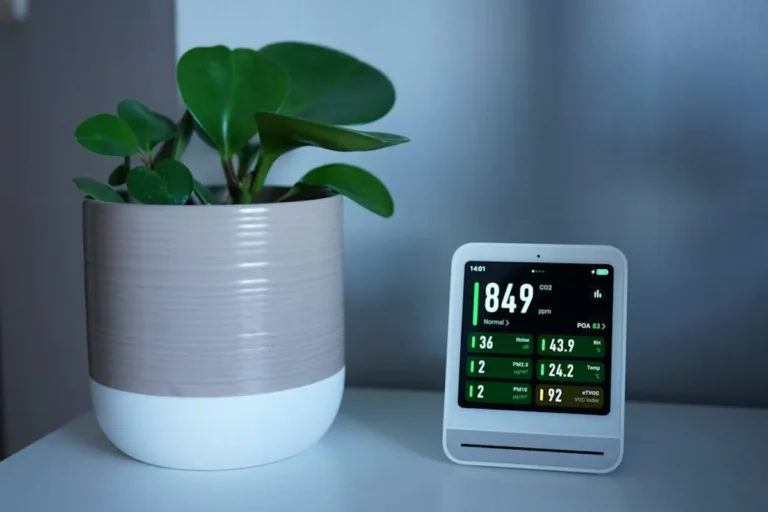
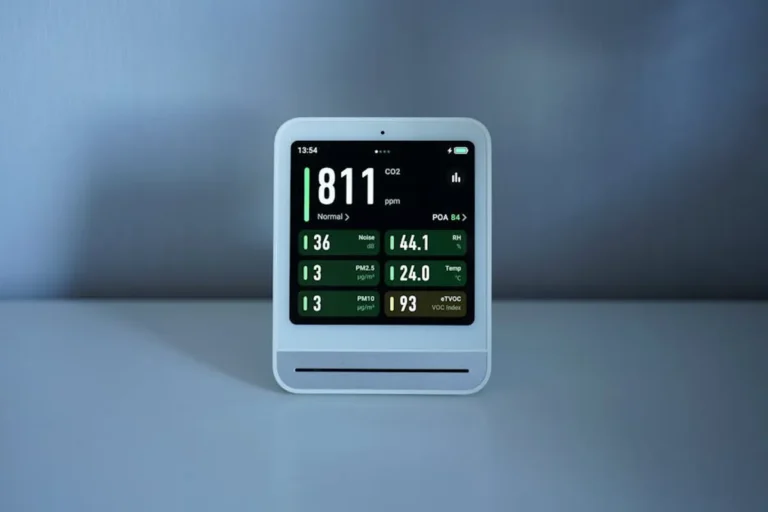
Deploy IAQ sensors to monitor key parameters:
- Carbon Dioxide (CO2): An indicator of occupancy levels and ventilation effectiveness. Readings consistently above 800-1000 ppm suggest inadequate fresh air exchange.
- Volatile Organic Compounds (VOCs): Detects chemical off-gassing from various sources. High levels warrant investigation into material choices or operational practices.
- Particulate Matter (PM2.5/PM10): Measures airborne dust, pollen, and other fine particles. Correlate with outdoor air quality and indoor activities.
- Relative Humidity and Temperature: Essential for comfort and preventing mold growth.
Integrate sensor data into building management systems (BMS) to automate ventilation adjustments, trigger alerts for anomalous readings, and provide historical data for trend analysis.
Professional IAQ Audits
Periodically engage certified IAQ professionals to conduct comprehensive audits. These audits go beyond sensor data, identifying hidden sources of pollutants, assessing HVAC system performance, and providing actionable recommendations for improvement. This external validation ensures compliance and optimizes long-term IAQ performance.
Sustaining Superior IAQ: A Holistic Approach
Maintaining high indoor air quality is an ongoing process that integrates facility management, operational protocols, and occupant engagement. It is not a one-time fix but a continuous cycle of assessment, action, and verification.
Prioritize scheduled preventative maintenance for all HVAC components. Implement rigorous cleaning schedules using environmentally friendly products and methods. Educate building occupants on their role in IAQ, such as proper waste disposal, avoiding strong personal fragrances, and reporting maintenance issues promptly. By embedding IAQ best practices into daily operations, organizations can ensure a healthier, more productive, and more valuable indoor environment.
Frequently Asked Questions
What is a good baseline MERV rating for commercial buildings?
A MERV 13 filter is generally considered the minimum baseline for commercial buildings, effectively capturing common allergens, mold spores, and some bacteria without unduly restricting airflow in most standard HVAC systems.
How often should commercial HVAC filters be changed?
Commercial HVAC filters should typically be changed every 1 to 3 months, depending on occupancy levels, outdoor air quality, system run time, and specific filter type. Regular inspection helps determine the optimal schedule.
What are the primary indoor air pollutants to monitor?
Key indoor air pollutants to monitor include carbon dioxide (CO2) for ventilation effectiveness, volatile organic compounds (VOCs) for chemical emissions, and particulate matter (PM2.5/PM10) for airborne dust and allergens. Relative humidity and temperature are also critical for comfort and mold prevention.
Can indoor air quality impact employee productivity?
Yes, poor indoor air quality has been linked to reduced cognitive function, increased sick building syndrome symptoms, and higher absenteeism, directly impacting employee productivity and overall business performance. Improved IAQ can lead to better focus, fewer health complaints, and enhanced well-being. Understanding the detrimental effects of poor indoor air quality is the first step toward preventing common facility mistakes.