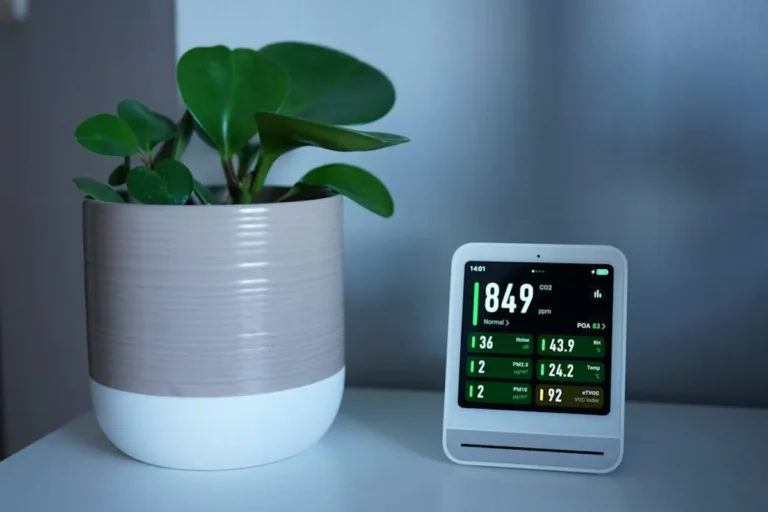

Maintaining optimal indoor air quality (IAQ) directly impacts health, comfort, and productivity. Poor IAQ can contribute to respiratory issues, allergies, headaches, and decreased cognitive function, whether in a home or office environment. Understanding the sources of indoor pollutants and implementing effective strategies to mitigate them is not just a matter of comfort; it's a foundational element for creating healthier, more functional spaces. This involves a multi-faceted approach, moving beyond simple air fresheners to address ventilation, filtration, and source control systematically.
Core Principles for Improving Indoor Air Quality
Effective IAQ management relies on three fundamental pillars: enhancing ventilation, improving filtration, and controlling pollutant sources. Each principle plays a distinct role in creating a cleaner, healthier indoor atmosphere.
Enhancing Ventilation
Ventilation is the process of exchanging indoor air with outdoor air, diluting pollutants and reducing their concentration. While opening windows offers a simple solution, a more consistent approach often involves mechanical systems.
- Natural Ventilation: Regularly opening windows and doors, especially on opposite sides of a building, creates cross-ventilation. This is most effective when outdoor air quality is good and weather permits.
- Spot Ventilation: Use exhaust fans in bathrooms and kitchens to remove moisture, odors, and cooking fumes directly at the source. Ensure these fans vent outside, not into attics or crawl spaces.
- Whole-House Ventilation Systems: Systems like Heat Recovery Ventilators (HRVs) or Energy Recovery Ventilators (ERVs) bring in fresh outdoor air while recovering energy from the outgoing stale air, making them energy-efficient choices for continuous air exchange.
Improving Filtration
Air filtration systems capture airborne particles, including dust, pollen, pet dander, mold spores, and some bacteria and viruses. The effectiveness of a filter is typically measured by its MERV (Minimum Efficiency Reporting Value) rating.
- HVAC System Filters: Upgrade standard fiberglass filters (low MERV) to pleated filters with a MERV rating of 8 to 13. These capture smaller particles without significantly impeding airflow in most residential and commercial systems. Consult an HVAC professional to ensure your system can handle higher MERV filters without strain.
- Portable Air Purifiers: For specific rooms or localized issues, portable air purifiers with HEPA (High-Efficiency Particulate Air) filters are effective. HEPA filters capture at least 99.97% of airborne particles 0.3 microns in size, including many allergens and fine particulate matter.
- Activated Carbon Filters: While HEPA filters address particles, activated carbon filters are essential for removing gaseous pollutants, volatile organic compounds (VOCs), and odors. Many high-quality air purifiers combine HEPA and activated carbon layers.
Controlling Pollutant Sources
The most direct way to improve IAQ is to identify and eliminate or reduce the sources of pollution within the indoor environment. This often involves making conscious choices about materials and products used indoors.
- Minimize VOCs: Volatile Organic Compounds are emitted from paints, varnishes, cleaning supplies, building materials, and furnishings. Opt for low-VOC or zero-VOC products whenever possible. Allow new furniture or materials to off-gas in a well-ventilated area before bringing them indoors.
- Manage Moisture: High humidity encourages mold and mildew growth, a significant source of allergens and irritants. Repair leaks promptly, use dehumidifiers in damp areas, and ensure proper ventilation in bathrooms and kitchens. Aim for indoor humidity levels between 30% and 50%.
- Control Pet Dander and Dust Mites: Regular vacuuming with a HEPA-filtered vacuum, washing bedding frequently in hot water, and using allergen-proof covers for mattresses and pillows can significantly reduce these common indoor allergens.
- Avoid Indoor Smoking: Tobacco smoke is a major source of indoor air pollution, containing numerous toxic chemicals and carcinogens. Eliminating indoor smoking is critical for IAQ.
Pro Tip: Implement a consistent schedule for replacing HVAC filters and cleaning portable air purifiers. A dirty filter significantly reduces airflow and filtration efficiency, compromising air quality and potentially increasing energy costs. Mark your calendar or set reminders to ensure timely maintenance.
Practical Strategies for Sustained Improvement
Beyond the core principles, several practical habits and considerations contribute to long-term IAQ enhancement.
Regular Cleaning and Maintenance
A consistent cleaning regimen prevents the buildup of dust, dander, and other particulates that can become airborne.
Best for: Reducing settled dust and allergens.
- Vacuum regularly with a HEPA-filtered vacuum cleaner.
- Dust surfaces with a damp cloth to capture particles rather than redistributing them.
- Clean carpets and rugs periodically, as they can trap significant amounts of dust and allergens.
- Maintain HVAC systems, including professional inspections and duct cleaning when necessary.
Humidity Management
Maintaining appropriate humidity levels is crucial for preventing mold growth and deterring dust mites, while also ensuring comfort.
Best for: Preventing mold and maintaining comfort.
- Use a hygrometer to monitor indoor humidity.
- Employ dehumidifiers in basements, bathrooms, or other naturally damp areas.
- In dry climates or during winter heating, humidifiers can be used, but ensure they are cleaned regularly to prevent bacterial growth and mineral dust.
Strategic Plant Selection
While often cited for air purification, houseplants offer a modest contribution to IAQ compared to mechanical ventilation and filtration. However, certain plants can absorb some VOCs.
Best for: Supplemental air purification and aesthetic benefits.
- Consider plants like snake plants, spider plants, and peace lilies.
- Ensure plants are properly cared for to prevent mold growth in potting soil.
Monitoring Indoor Air Quality
For a data-driven approach, consider using an indoor air quality monitor. These devices track metrics like particulate matter (PM2.5), VOCs, carbon dioxide (CO2), temperature, and humidity.
Best for: Identifying specific pollutant sources and tracking improvement over time.
- Placement is key: position monitors in frequently occupied areas.
- Understand the readings: learn what constitutes acceptable and elevated levels for different pollutants.
Actionable Steps for Better Indoor Air
Improving indoor air quality is an ongoing process, not a one-time fix. By integrating these tips into daily routines and property management, you can create a consistently healthier indoor environment. Prioritize ventilation, invest in appropriate filtration, and diligently control pollutant sources. Regular maintenance and, where appropriate, monitoring will provide the data needed to make informed decisions and ensure your efforts yield tangible results. To ensure you haven't missed anything, consider using a comprehensive indoor air quality checklist to track your progress.
Common Indoor Air Quality Questions
What are the most common indoor air pollutants?
Common indoor air pollutants include particulate matter (dust, pollen, pet dander, mold spores), volatile organic compounds (VOCs) from building materials and cleaning products, carbon monoxide, nitrogen dioxide from combustion, and radon gas.
How often should I change my air filters?
For most residential HVAC systems, filters should be checked monthly and replaced every 1 to 3 months, depending on filter type, household occupancy, and the presence of pets or allergies. Commercial systems may have different schedules based on usage and filter specifications.
Can houseplants truly improve air quality significantly?
While houseplants can absorb some volatile organic compounds (VOCs) and produce oxygen, their overall impact on improving indoor air quality in a typical home or office is relatively minor compared to proper ventilation and mechanical filtration systems. They offer supplemental benefits and aesthetic value.
What is the ideal indoor humidity level?
The ideal indoor humidity level for comfort and health generally falls between 30% and 50%. Maintaining humidity within this range helps prevent mold growth, deter dust mites, and minimize the spread of certain viruses, while also avoiding issues associated with overly dry air.