
Maintaining optimal indoor air quality (IAQ) is not merely a comfort factor; it directly impacts occupant health, productivity, and the longevity of building materials. For property managers, facility operators, and homeowners, overlooking common IAQ pitfalls can lead to tangible costs: increased allergy symptoms, respiratory issues, reduced cognitive function, and even structural damage from unchecked humidity or mold. Addressing these issues proactively, rather than reactively, protects investments and ensures a healthier, more efficient environment. This guide details prevalent IAQ mistakes and offers actionable strategies to mitigate them, focusing on practical, commercially relevant solutions.
Overlooking Ventilation Fundamentals
Effective ventilation forms the bedrock of good indoor air quality. Many common errors stem from a fundamental misunderstanding or neglect of how air moves through a space and how it should be exchanged with fresh outdoor air.
Neglecting Regular Air Filter Changes
Air filters in HVAC systems are the primary defense against airborne particulates like dust, pollen, pet dander, and mold spores. Failing to replace these filters every 1-3 months, depending on occupancy and conditions, results in several costly issues. Clogged filters restrict airflow, forcing HVAC systems to work harder, increasing energy consumption by 5-15%, and reducing equipment lifespan. Furthermore, an overloaded filter ceases to be effective, allowing pollutants to recirculate and accumulate indoors, directly compromising air quality.
Blocking or Obstructing Air Vents
Return and supply vents are critical components of a balanced HVAC system. Often, these are inadvertently blocked by furniture, curtains, or storage. Blocked vents disrupt the intended air circulation patterns, creating stagnant zones where pollutants can concentrate and leading to uneven temperature distribution. This forces the HVAC system to run longer to achieve set temperatures, wasting energy and failing to properly filter the air throughout the entire space.
Inadequate Fresh Air Introduction
Modern, tightly sealed buildings, while energy-efficient, often lack sufficient natural air exchange. Relying solely on recirculated indoor air allows CO2, volatile organic compounds (VOCs), and other indoor-generated pollutants to build up. Implementing mechanical ventilation systems, such as energy recovery ventilators (ERVs) or heat recovery ventilators (HRVs), is crucial for introducing filtered fresh air without significant energy loss. Without this, occupants may experience "sick building syndrome" symptoms, including headaches and fatigue, impacting productivity.
Mismanaging Humidity Levels
Humidity plays a pivotal role in indoor air quality, influencing everything from occupant comfort to the proliferation of biological contaminants. Both excessively high and low humidity present distinct challenges.
Allowing Excessive Moisture Accumulation
Maintaining indoor humidity above 60% for extended periods creates an ideal breeding ground for mold, mildew, dust mites, and bacteria. This often results from poor ventilation in bathrooms and kitchens, leaky plumbing, or inadequate dehumidification. Mold growth not only triggers respiratory issues and allergies but also causes structural damage to drywall, wood, and insulation, necessitating costly remediation. Addressing sources of moisture and employing dehumidifiers in damp areas are essential preventative measures.
Over-drying Indoor Environments
Conversely, very low indoor humidity (below 30%) can also be problematic. Dry air can irritate nasal passages and throats, exacerbate asthma and allergy symptoms, and dry out skin and eyes. It can also cause static electricity issues and damage wood furniture, flooring, and musical instruments by causing them to crack or warp. Balancing humidity, typically between 40-50%, is crucial for both occupant health and asset preservation, often requiring humidifiers in arid climates or during winter months.
Underestimating Source Control
The most effective strategy for improving IAQ is to control or eliminate pollutant sources at their origin, rather than relying solely on filtration or ventilation to dilute them.
Ignoring VOCs from Household Products
Many common household and commercial products, including paints, cleaning supplies, air fresheners, pesticides, and building materials, off-gas volatile organic compounds (VOCs). These chemicals can cause eye, nose, and throat irritation, headaches, and in some cases, more serious health effects. A common mistake is to use these products in poorly ventilated areas or to store them improperly, allowing VOCs to continuously permeate indoor air. Opting for low-VOC or no-VOC alternatives and ensuring proper ventilation during and after use significantly reduces exposure.
Improper Pet Dander and Allergen Management
Pet dander, dust mites, and pollen are pervasive allergens that accumulate in carpets, upholstery, and bedding. Simply vacuuming occasionally with a standard vacuum often recirculates these particles. Failing to use HEPA-filtered vacuums, wash pet bedding regularly, and manage pet access to certain areas allows these allergens to build to problematic levels, leading to chronic allergy and asthma symptoms for sensitive individuals. Consistent, targeted cleaning protocols are non-negotiable.
Using Scented Products as Air Fresheners
Many scented candles, plug-in air fresheners, and aerosol sprays release VOCs and other chemicals that can exacerbate respiratory conditions. The mistake is using these products to mask odors rather than addressing the root cause of the smell. This introduces new pollutants into the air, often creating a more complex and irritating chemical cocktail. Proper ventilation and source removal are superior strategies for odor control.
Poor Maintenance Practices
Even well-designed IAQ systems and strategies can fail if not supported by consistent, diligent maintenance.
Skipping HVAC System Servicing
HVAC systems require annual professional servicing to ensure they operate efficiently and effectively. Neglecting this can lead to dirty coils, clogged drain pans, refrigerant leaks, and mechanical failures. Dirty coils reduce heating and cooling efficiency, increasing energy bills. Clogged drain pans can lead to water overflow and subsequent mold growth within the system, distributing spores throughout the building. Regular servicing prevents these issues, extends equipment life, and ensures optimal air filtration and circulation.
Inconsistent Cleaning Protocols
Surface cleaning is often prioritized over air quality considerations. Dust and allergens accumulate on all surfaces, becoming airborne with any disturbance. Inconsistent or improper cleaning, such as dry dusting which simply redistributes particles, allows these pollutants to persist. Implementing a regular cleaning schedule that includes damp dusting, vacuuming with HEPA filters, and cleaning high-touch surfaces reduces the overall pollutant load in the indoor environment.
Delaying Mold and Mildew Remediation
Visible mold growth, no matter how small, indicates a moisture problem that must be addressed promptly. Delaying remediation allows mold to spread, releasing spores into the air and potentially causing extensive damage to building materials. The cost of professional mold remediation escalates significantly with the size and duration of the infestation. Immediate action upon discovery of mold or persistent musty odors is critical to contain the problem and protect indoor air quality.
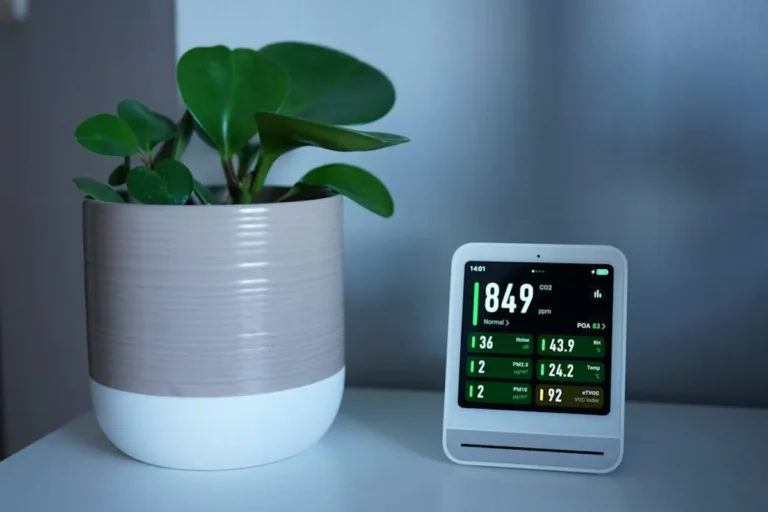
Pro Tip: Implement a robust IAQ monitoring system that tracks particulate matter (PM2.5), VOCs, CO2, temperature, and humidity. Real-time data allows for immediate intervention when thresholds are exceeded, preventing minor issues from escalating into significant health or operational problems. This data provides objective justification for maintenance and system adjustments.
Misinformation and Misapplication of Solutions
The market for IAQ solutions is vast, and missteps often occur when applying technologies without a clear understanding of their function or limitations.
Relying Solely on Air Purifiers Without Addressing Sources
Air purifiers, particularly those with HEPA and activated carbon filters, can effectively remove airborne particulates and some VOCs. However, a common mistake is to deploy them as a standalone solution without first identifying and mitigating pollutant sources. An air purifier will continuously work to filter out emissions from an ongoing source (e.g., off-gassing furniture, a persistent leak causing mold), leading to faster filter saturation, reduced effectiveness, and higher operating costs, without truly solving the underlying problem. Source control must always be the primary strategy.
Incorrect Placement of IAQ Monitors
The utility of IAQ monitors is entirely dependent on their placement. Placing a monitor near an open window, directly under an HVAC vent, or in an infrequently used area will yield misleading data that does not accurately represent the air quality in occupied zones. For reliable readings, monitors should be placed in central, representative locations within frequently used rooms, away from direct drafts or pollutant sources like kitchens or bathrooms, to capture a true average of ambient conditions.
Proactive Steps for Better Indoor Air Quality
Improving and maintaining indoor air quality requires a systematic approach, integrating awareness with consistent action. Prioritize prevention, employ targeted solutions, and establish routine checks to safeguard your indoor environment.
- Regularly inspect and maintain HVAC systems: Schedule professional tune-ups annually and change filters every 1-3 months.
- Control indoor humidity: Aim for 40-50% relative humidity using dehumidifiers or humidifiers as needed, and promptly address any leaks or water intrusions.
- Choose low-VOC products: Select paints, cleaning supplies, and furnishings certified for low chemical emissions.
- Enhance ventilation: Open windows when outdoor air quality permits, and utilize exhaust fans in kitchens and bathrooms. Consider mechanical ventilation systems for continuous fresh air.
- Implement thorough cleaning: Use HEPA-filtered vacuums and damp cloths to capture dust and allergens, focusing on high-traffic areas and soft furnishings.
- Monitor IAQ: Utilize smart sensors to track key parameters like CO2, VOCs, and PM2.5, enabling data-driven adjustments.
Frequently Asked Questions About Indoor Air Quality
How often should I change my HVAC air filter?
Generally, HVAC air filters should be changed every 1 to 3 months. Factors like pets, allergies, and local air pollution can necessitate more frequent changes, potentially every 30-45 days, to maintain optimal filtration and system efficiency.
What are common signs of poor indoor air quality?
Common indicators include persistent odors (musty, chemical), increased allergy or asthma symptoms among occupants, frequent headaches, fatigue, eye/nose/throat irritation, and visible signs of mold growth or excessive dust accumulation.
Can houseplants improve indoor air quality?
While some studies suggest certain houseplants can remove trace amounts of specific VOCs, their overall impact on improving indoor air quality in typical building environments is generally minimal compared to mechanical ventilation and source control. They should not be relied upon as a primary IAQ solution.
Is it better to open windows or use an air purifier?
Both methods have merits. Opening windows introduces fresh air and dilutes indoor pollutants, but can also bring in outdoor allergens and pollution. Air purifiers filter indoor air without introducing outside elements. The best approach often combines both: open windows when outdoor air quality is good, and use air purifiers to supplement filtration, especially when windows cannot be opened or for specific pollutant removal.