
Effective HVAC maintenance moves beyond sporadic repairs; it represents a strategic investment in operational efficiency, asset longevity, and consistent indoor climate control. For businesses and property managers, a proactive maintenance regimen directly impacts utility expenditures, occupant comfort, and the overall value of the property. Understanding and implementing best practices for HVAC care mitigates unexpected breakdowns, extends equipment lifespans, and ensures systems operate at peak performance, translating directly into measurable cost savings and reduced downtime. To further enhance system longevity and efficiency, consider incorporating these valuable maintenance tips into your routine.
Core Principles of Proactive HVAC Care
Adhering to fundamental maintenance principles forms the bedrock of a reliable HVAC system. These aren't merely suggestions but critical actions that prevent premature wear and maintain system integrity.
Regular Filter Replacement
Air filters are the first line of defense against particulate matter entering the HVAC system. Clogged filters restrict airflow, forcing the system's fan motor to work harder, which increases energy consumption and places undue stress on components. The frequency of replacement depends on usage, occupancy, and environmental factors, but a general guideline for commercial settings is monthly to quarterly. Opting for filters with a higher MERV (Minimum Efficiency Reporting Value) rating can improve air quality, but requires ensuring the system can handle the increased airflow resistance.
Coil Cleaning and Inspection
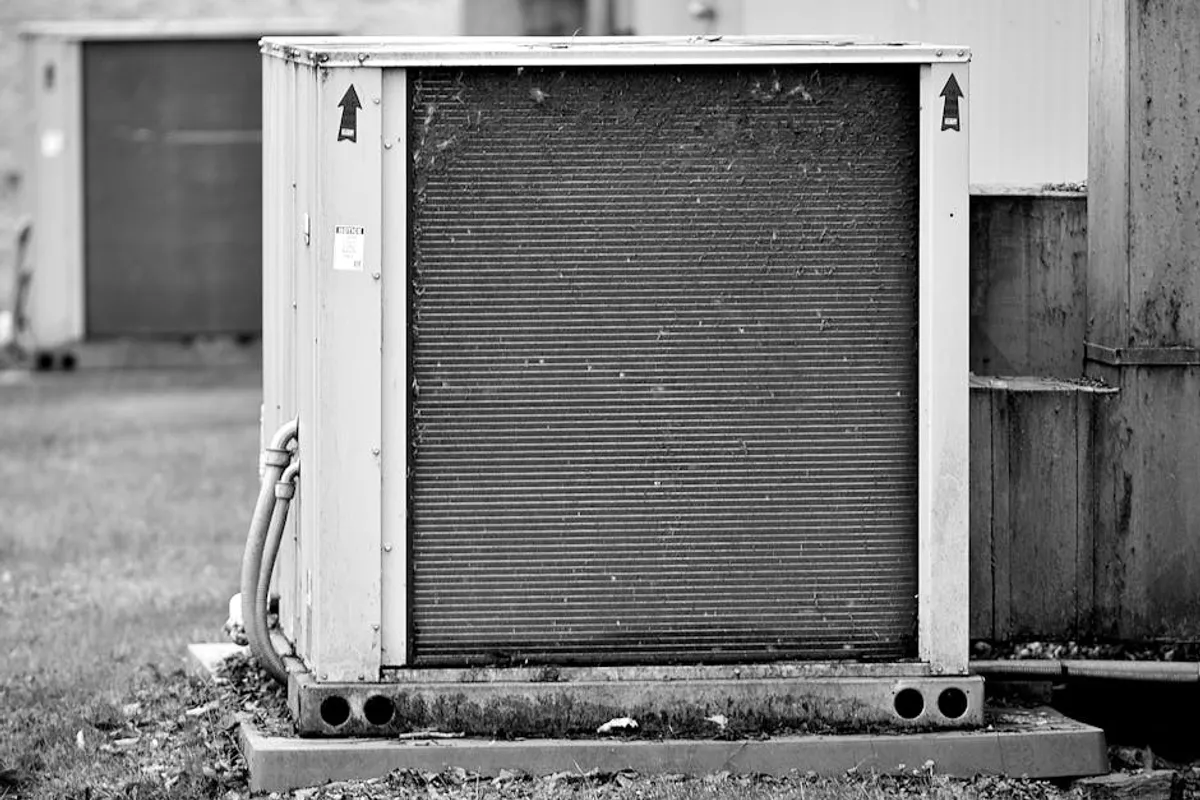
Both evaporator and condenser coils accumulate dirt and debris over time, insulating them and hindering their ability to transfer heat efficiently. Dirty coils lead to decreased cooling or heating capacity and higher energy bills. Regular cleaning, typically performed annually by a professional, restores heat exchange efficiency. Inspection should also check for fin damage, which can impede airflow, and signs of refrigerant leaks.
Drain Line Management
The condensate drain line removes moisture from the evaporator coil. If this line becomes clogged with algae, mold, or debris, water can back up, leading to leaks, water damage, and elevated humidity. In some systems, a clogged drain can trigger a safety switch, shutting down the unit. Flushing the drain line with a diluted bleach solution or specialized tablet monthly during cooling seasons prevents blockages and maintains proper drainage.
Electrical Connection Verification
Loose or corroded electrical connections can cause system malfunctions, reduce efficiency, and pose fire hazards. During routine checks, technicians should inspect all electrical terminals, tighten connections, and measure voltage and current. This ensures components receive proper power and operate within design specifications, preventing motor and compressor failures.
Refrigerant Level Assessment
An HVAC system is a closed loop; refrigerant levels should remain constant unless there's a leak. Low refrigerant doesn't mean it needs a "recharge"; it indicates a leak that requires detection and repair. Insufficient refrigerant drastically reduces cooling capacity and can lead to compressor damage. Professionals use specialized tools to check refrigerant pressure and identify potential leaks, ensuring optimal system performance and preventing costly component replacements.
Pro Tip: Neglecting regular HVAC maintenance can increase energy consumption by 5-15% annually due to reduced efficiency. This translates directly into higher operational costs and accelerates the need for expensive component repairs or full system replacement. A structured maintenance plan is a cost-avoidance strategy.
Seasonal Preparation and Advanced Checks
Beyond routine tasks, tailoring maintenance to seasonal demands ensures systems are prepared for peak operational loads, maximizing comfort and minimizing energy waste.
Spring Tune-Up Protocol
Before the cooling season, a comprehensive spring tune-up is essential. This includes cleaning condenser coils, checking refrigerant levels, inspecting electrical components, lubricating moving parts, and verifying thermostat accuracy. The goal is to ensure the air conditioning system is ready to handle sustained high temperatures efficiently.
Fall System Preparation
As heating demands approach, a fall tune-up focuses on the furnace or heat pump. This involves inspecting heat exchangers for cracks, checking gas pressure and burner operation, cleaning igniters, and verifying safety controls. For heat pumps, reversing valve operation and defrost cycles are critical checks. Proper fall preparation ensures safe and efficient heating throughout colder months.
Ductwork Integrity and Sealing
Ducts are the circulatory system of an HVAC unit. Leaky or poorly insulated ductwork can account for 20-30% of energy loss. Inspecting ducts for disconnections, tears, or inadequate sealing, particularly in unconditioned spaces like attics or crawl spaces, is crucial. Sealing leaks with mastic or specialized tape and ensuring proper insulation significantly improves system efficiency and indoor air distribution.
Thermostat Calibration and Optimization
An improperly calibrated thermostat can lead to unnecessary system cycling or inaccurate temperature readings, wasting energy. Regular calibration ensures the thermostat accurately reflects and maintains desired temperatures. Furthermore, optimizing programmable or smart thermostat schedules to match occupancy patterns can yield substantial energy savings without compromising comfort.
Implementing a Comprehensive Maintenance Plan
A structured approach to HVAC maintenance ensures consistency and accountability, moving beyond reactive fixes to proactive asset management.
DIY vs. Professional Service
While basic tasks like filter changes and drain line flushing can be handled internally, complex inspections, coil cleaning, refrigerant checks, and electrical diagnostics require certified HVAC technicians. Professionals possess the specialized tools, training, and regulatory knowledge to safely and effectively service intricate systems, often identifying issues before they escalate into costly failures.
Documentation and Scheduling
Maintaining detailed records of all maintenance activities, including dates, tasks performed, parts replaced, and technician notes, is invaluable. This documentation helps track system performance, identify recurring issues, and inform future maintenance decisions. Implementing a preventative maintenance schedule, whether monthly, quarterly, or annually, ensures no critical task is overlooked.
Best for: Businesses seeking to optimize operational costs and extend the lifespan of significant capital assets.
- Reduces energy consumption by maintaining peak system efficiency.
- Extends the operational life of HVAC equipment, delaying costly replacements.
- Minimizes unexpected breakdowns and associated business disruptions.
- Improves indoor air quality and occupant comfort.
- Ensures compliance with warranty requirements and safety standards.
Maximizing HVAC System Longevity and Performance
A commitment to best practices in HVAC maintenance is not merely about avoiding problems; it's about actively enhancing system performance and ensuring a long, productive life for critical infrastructure. By integrating regular, detailed checks and prompt, professional interventions, organizations can secure a consistent, comfortable environment while simultaneously controlling operational expenses and protecting their investment.
Frequently Asked Questions
How often should commercial HVAC systems be serviced?
Commercial HVAC systems typically require professional servicing at least twice a year: once in the spring for cooling preparation and once in the fall for heating preparation. However, high-usage systems or those in demanding environments may benefit from quarterly inspections.
What are the primary benefits of a preventative HVAC maintenance contract?
Preventative maintenance contracts offer several key benefits, including reduced energy costs due to optimized system efficiency, extended equipment lifespan, fewer emergency repairs, improved indoor air quality, and priority service from technicians.
Can basic HVAC maintenance be performed by in-house staff?
Yes, in-house staff can handle basic tasks such as regularly changing air filters, keeping outdoor units clear of debris, and flushing condensate drain lines. However, complex tasks like coil cleaning, electrical checks, and refrigerant level adjustments require certified HVAC professionals.
What are the signs that an HVAC system needs immediate professional attention?
Signs requiring immediate professional attention include unusual noises (grinding, squealing, banging), strange odors (burning, musty), significant reductions in heating or cooling capacity, persistent water leaks, or a sudden, unexplained increase in energy bills.