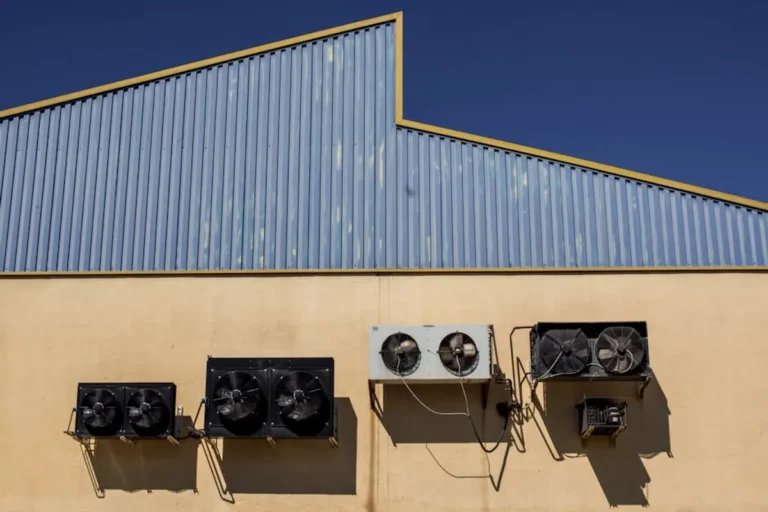
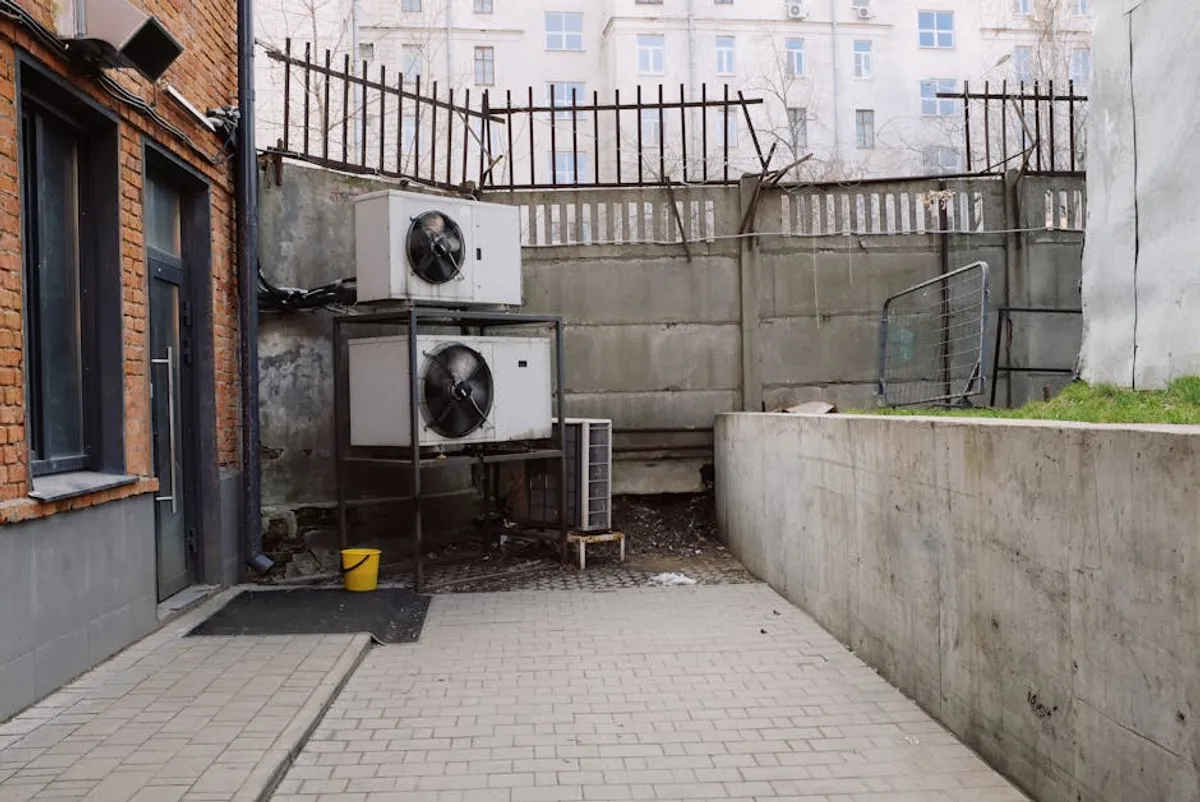
HVAC systems represent a significant portion of both residential and commercial energy consumption, often accounting for 40% to 60% of a building's total energy bill. Understanding the specific ways these systems use energy, and where inefficiencies commonly arise, is crucial for effective cost management. This involves more than just setting a thermostat; it encompasses system design, regular maintenance, and the thermal integrity of the building itself. Property owners and facility managers can achieve substantial savings by identifying the key factors that drive HVAC energy use and implementing targeted strategies for optimization.
Core Drivers of HVAC Energy Consumption
Several interconnected factors dictate how much energy an HVAC system consumes. Each plays a role in the overall operational cost:
- System Efficiency Ratings: Equipment is rated for efficiency (e.g., SEER for cooling, HSPF for heating, EER for specific applications). Higher ratings indicate less energy consumed per unit of heating or cooling output. A system with a SEER 16 rating, for instance, uses significantly less electricity than an older SEER 10 unit to achieve the same cooling effect.
- Maintenance Practices: Neglected maintenance directly impacts efficiency. Clogged air filters restrict airflow, forcing the blower motor to work harder. Dirty evaporator and condenser coils impede heat transfer, causing compressors to run longer and consume more power. Low refrigerant levels reduce cooling capacity, leading to extended operational cycles.
- Thermostat Management: The thermostat settings and type directly influence run times. Manually adjusting temperatures or using outdated thermostats that lack programming capabilities often leads to unnecessary energy expenditure. Smart thermostats, with features like occupancy sensing and remote access, can optimize schedules and reduce waste.
- Building Envelope Integrity: The effectiveness of insulation in walls, attics, and floors, along with the quality of windows and doors, determines how easily heat enters or exits a structure. Poor insulation and air leaks force the HVAC system to work harder and longer to maintain desired indoor temperatures, directly increasing energy consumption.
- Ductwork Condition: Leaky or uninsulated ductwork can lose a substantial percentage (often 20-30%) of conditioned air before it reaches living spaces. This means the HVAC unit is cooling or heating air that never benefits the occupants, leading to wasted energy and higher bills.
- System Sizing: An HVAC unit that is either too large or too small for the space it serves will operate inefficiently. An oversized unit cycles on and off too frequently (short-cycling), leading to poor dehumidification and increased wear. An undersized unit runs continuously but struggles to reach the set temperature, consuming excessive energy without achieving comfort.
Impact of Specific HVAC Components on Energy Bills
While the entire system contributes to energy use, certain components are disproportionately responsible for electricity consumption:
Compressor: In air conditioning and heat pump systems, the compressor is the primary energy consumer. It circulates refrigerant, compressing it to raise its temperature and pressure, which is essential for the heat exchange process. Its run time and efficiency directly correlate with energy costs.
Blower Motor (Fan): The blower motor circulates air through the ductwork, distributing conditioned air throughout the building. While typically less power-intensive than the compressor, a continuously running or inefficient blower can add significantly to energy bills, particularly in systems with older, single-speed motors.
Auxiliary Heat (Heat Pumps): During very cold weather, heat pumps often engage auxiliary electric resistance heating elements to supplement their heating capacity. These elements consume substantial amounts of electricity and can cause a noticeable spike in energy bills if frequently activated.
Pro Tip: Regularly inspect and seal ductwork, especially in unconditioned spaces like attics or crawl spaces. Leaky ducts can waste up to 30% of your conditioned air, directly increasing your energy bill without improving indoor comfort. Use mastic sealant or metal-backed tape, not standard duct tape, for durable seals.
Actionable Strategies for Reducing HVAC Energy Costs
Optimizing HVAC energy consumption requires a multi-faceted approach, combining routine maintenance with strategic upgrades and operational adjustments.
Implement Regular Professional Maintenance: Schedule annual tune-ups for both heating and cooling cycles. Technicians can clean coils, check refrigerant levels, inspect electrical components, and identify potential issues before they lead to costly breakdowns or inefficiencies. This proactive approach maintains peak operational efficiency.
Prioritize Air Filter Replacement: Replace disposable air filters every 1-3 months, or more frequently in homes with pets or high dust levels. Clean reusable filters according to manufacturer guidelines. A clean filter ensures optimal airflow, reducing the strain on the blower motor and improving system efficiency.
Upgrade to a Smart Thermostat: Install a programmable or smart thermostat. These devices allow for precise scheduling based on occupancy patterns, can be controlled remotely, and often learn preferences to optimize energy use. Features like geofencing can automatically adjust temperatures when a building is unoccupied, preventing unnecessary heating or cooling.
Enhance Building Envelope Performance: Invest in improving insulation in attics, walls, and crawl spaces. Seal air leaks around windows, doors, and utility penetrations with caulk and weatherstripping. Upgrading to energy-efficient windows can also significantly reduce heat transfer, lessening the load on your HVAC system.
Consider Zoning Systems: For larger buildings or those with diverse heating/cooling needs, a zoning system allows different areas to be heated or cooled independently. This prevents conditioning unoccupied spaces, leading to substantial energy savings by directing airflow only where needed.
Evaluate System Upgrades: If an HVAC system is old (typically over 10-15 years) or frequently requires repairs, consider replacing it with a new, high-efficiency model. The initial investment can be offset by significant long-term energy savings and improved comfort. Look for ENERGY STAR certified equipment.
Optimizing Your HVAC Investment
Managing HVAC energy costs effectively involves understanding the intricate relationship between equipment, maintenance, and building characteristics. By focusing on regular professional servicing, diligent filter replacement, smart thermostat utilization, and continuous improvements to the building's thermal envelope, property owners can achieve significant reductions in energy expenditure. Proactive measures not only lower utility bills but also extend the lifespan of equipment and enhance indoor comfort, maximizing the return on your HVAC investment.
Frequently Asked Questions About HVAC Energy Costs
How much energy does an HVAC system typically use?
HVAC systems generally account for 40% to 60% of a building's total energy consumption, making them the largest energy user in most homes and commercial properties. Understanding the intricacies of monitoring energy consumption can lead to significant savings.
What is the most effective way to reduce HVAC energy costs?
Regular professional maintenance combined with consistent air filter replacement is often the most cost-effective strategy. This ensures the system operates at its designed efficiency, preventing energy waste from common issues like dirty coils or restricted airflow.
Does turning off the HVAC system when away save money?
Yes, setting back the thermostat or turning off the system when a building is unoccupied for extended periods (several hours or more) can save energy. However, avoid extreme temperature swings, as bringing a space back to a comfortable temperature can sometimes require more energy than maintaining a moderate setback.
How often should I have my HVAC system serviced?
It is recommended to have your HVAC system professionally serviced at least once a year, ideally in the spring for the cooling system and in the fall for the heating system. This ensures both components are operating efficiently before their peak usage seasons.