Commercial buildings represent a significant opportunity for energy savings, directly impacting operational budgets and asset value. Rather than viewing energy efficiency as a discretionary expense, consider it a strategic investment that yields measurable returns through reduced utility costs, enhanced tenant comfort, and improved building longevity. The focus shifts from merely consuming energy to optimizing its use, identifying areas of waste, and implementing targeted solutions that pay for themselves over time. This strategic approach, focusing on optimizing energy use and identifying waste, can be significantly enhanced through advanced monitoring solutions.
High-Impact Areas for Energy Reduction
Targeting the largest energy consumers within a commercial property offers the most immediate and substantial savings. These areas typically include heating, ventilation, and air conditioning (HVAC) systems, as well as lighting infrastructure.
HVAC Systems: Optimizing Climate Control
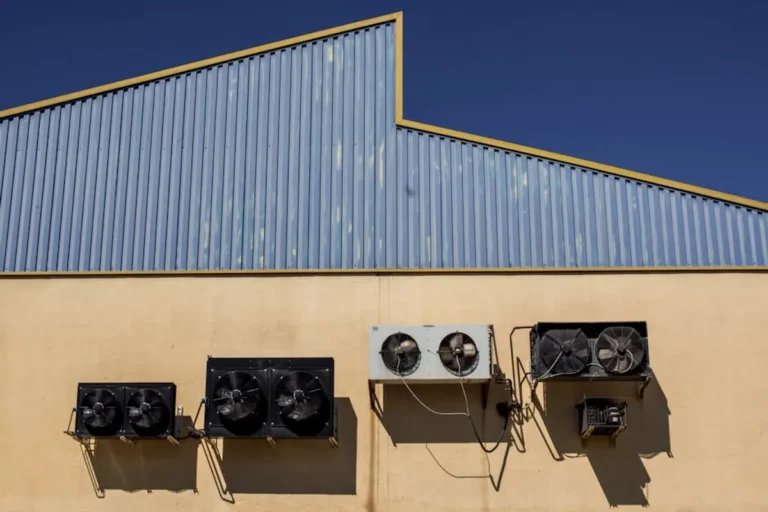
HVAC systems often account for 40-60% of a commercial building's total energy consumption. Efficiency gains here have a disproportionate impact on overall costs.
- Seasonal Commissioning: Regularly tune and calibrate HVAC equipment before peak heating and cooling seasons. This ensures systems operate at peak efficiency, preventing energy waste from misaligned components or incorrect settings.
- Variable Frequency Drives (VFDs): Install VFDs on motors for fans, pumps, and compressors. VFDs adjust motor speed to match demand, significantly reducing energy use compared to systems that run at full speed constantly, even when less output is needed.
- Zoned Temperature Control: Implement systems that allow different areas of the building to be heated or cooled independently. This avoids conditioning unoccupied spaces or areas with varying thermal loads to the same degree, leading to substantial energy waste.
- Economizers: Utilize outside air for cooling when ambient temperatures are favorable. Economizers reduce the need for mechanical cooling, particularly during shoulder seasons, by drawing in cooler external air.
Lighting: Transitioning to Modern Solutions
Lighting can consume 15-25% of a building's electricity. Upgrading to more efficient lighting technologies offers rapid payback periods.
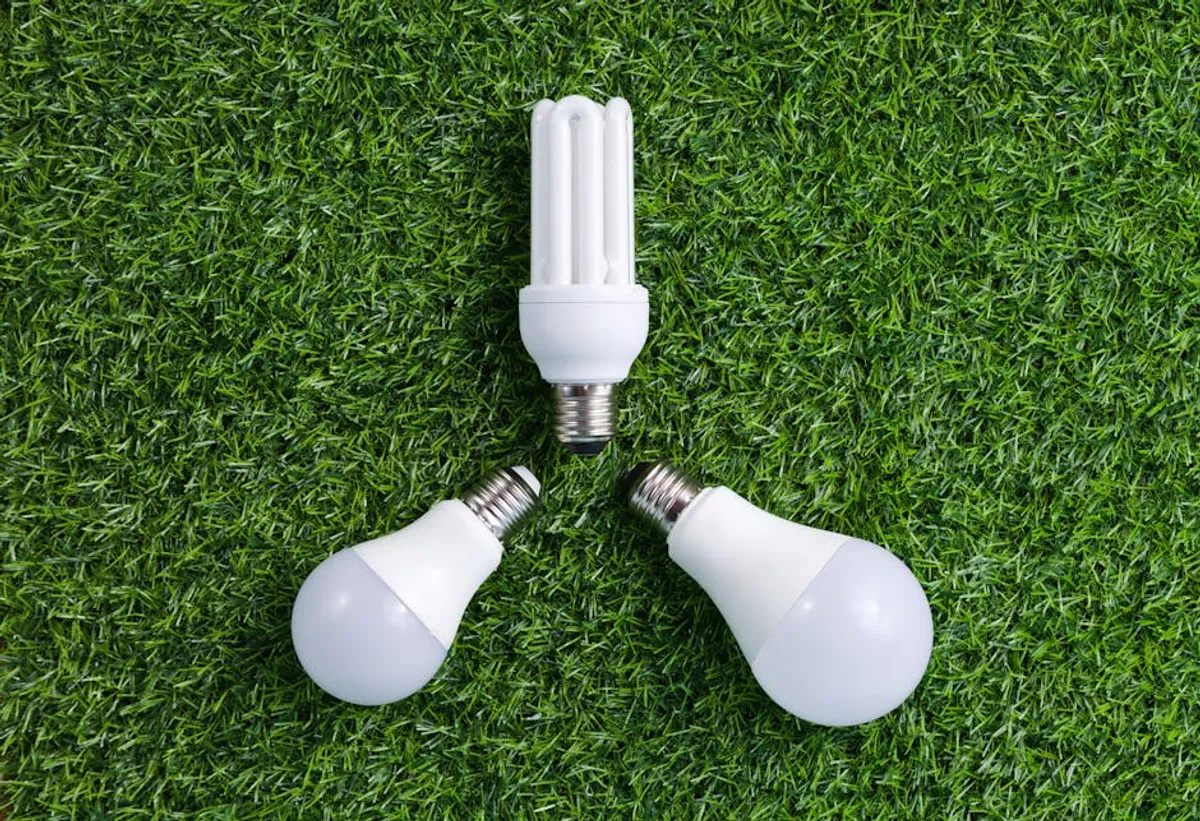
- LED Retrofits: Replace traditional fluorescent or incandescent fixtures with LED alternatives. LEDs consume 75-80% less energy, have significantly longer lifespans (25,000-50,000 hours vs. 1,000-2,000 for incandescent), and produce less heat, which further reduces cooling loads.
- Daylight Harvesting: Integrate controls that dim or turn off artificial lights in areas with sufficient natural light. Photosensors detect ambient light levels and adjust electric lighting accordingly, maximizing the use of free daylight.
- Occupancy Sensors: Install sensors in low-traffic areas like restrooms, storage rooms, and conference rooms. These sensors automatically turn off lights when spaces are unoccupied, eliminating unnecessary energy use.
Building Envelope Enhancements
The building envelope—roof, walls, windows, and foundation—acts as the primary barrier between conditioned indoor spaces and the outdoor environment. Improving its performance directly reduces the load on HVAC systems.
Insulation and Air Sealing
Proper insulation and effective air sealing prevent unwanted heat transfer, maintaining stable indoor temperatures with less energy.
- Increased R-Value: Add insulation to roofs, walls, and attics to achieve higher R-values, which measure thermal resistance. This minimizes heat gain in summer and heat loss in winter.
- Air Leakage Mitigation: Identify and seal gaps, cracks, and penetrations in the building envelope. Common culprits include utility penetrations, window and door frames, and junctions between different building materials. Air sealing prevents conditioned air from escaping and unconditioned air from entering.
Window and Door Upgrades
Windows and doors are often significant points of energy loss or gain.
- Low-Emissivity (Low-E) Coatings: Install windows with Low-E coatings, which reflect infrared light, reducing heat transfer while still allowing visible light to pass through. This keeps interiors cooler in summer and warmer in winter.
- Double or Triple Glazing: Replace single-pane windows with double or triple-glazed units. The air or gas-filled space between panes provides an insulating barrier, reducing conductive heat transfer.
- Weatherstripping and Sealing: Ensure all doors and operable windows have intact weatherstripping and seals to prevent air infiltration.
Smart Building Technology Integration
Leveraging technology provides granular control and data-driven insights for ongoing energy optimization.
Building Management Systems (BMS)
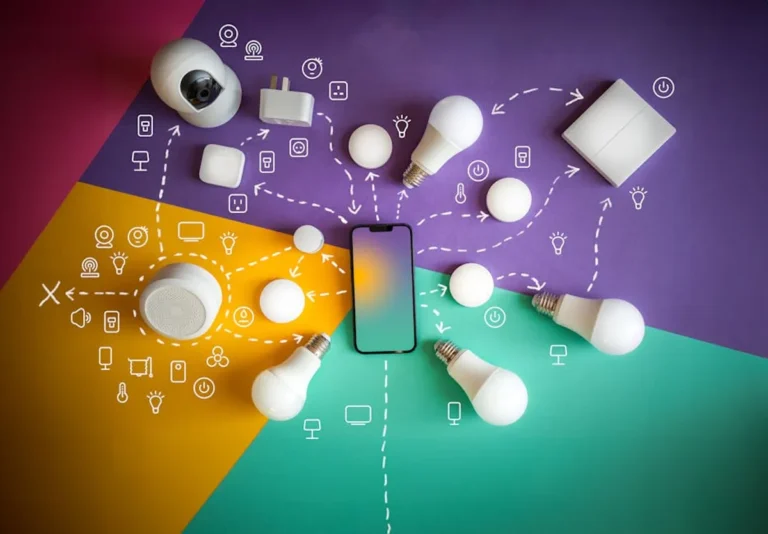
A BMS centralizes control over a building's mechanical and electrical systems, including HVAC, lighting, and security.
- Centralized Monitoring and Control: A BMS allows facility managers to monitor energy consumption across various systems in real-time and make adjustments from a single interface. This enables rapid response to inefficiencies and schedule changes.
- Predictive Maintenance: By analyzing operational data, a BMS can identify equipment that is underperforming or nearing failure, allowing for proactive maintenance that prevents costly breakdowns and maintains efficiency.
- Optimization Algorithms: Advanced BMS can use algorithms to learn building occupancy patterns, weather forecasts, and utility rates to automatically adjust system setpoints for optimal energy use without compromising comfort.
Pro Tip: Before implementing any major energy efficiency upgrades, conduct a professional energy audit. This assessment identifies specific energy waste points, quantifies potential savings, and prioritizes investments based on projected ROI, ensuring capital is allocated effectively.
Operational Strategies for Sustained Savings
Technology and infrastructure upgrades are foundational, but ongoing operational practices are crucial for maintaining and enhancing energy efficiency.
Regular Maintenance Schedules
Preventative maintenance ensures systems continue to operate as designed, preventing efficiency degradation over time.
- HVAC Filter Replacement: Regularly replace or clean air filters in HVAC systems. Clogged filters restrict airflow, forcing units to work harder and consume more energy.
- Ductwork Inspection and Sealing: Periodically inspect ductwork for leaks and seal them. Leaky ducts can lose a significant percentage of conditioned air before it reaches its intended space.
- Equipment Calibration: Ensure thermostats, sensors, and controls are calibrated accurately. Miscalibrated devices can lead to systems running unnecessarily or over-conditioning spaces.
Employee Engagement and Policy
Human behavior significantly influences energy consumption. Establishing clear policies and encouraging participation can amplify efficiency efforts.
- Energy Awareness Programs: Educate occupants about energy-saving practices, such as turning off lights and equipment when leaving a space, using natural light, and reporting leaks or inefficiencies.
- Setback Thermostats: Implement and enforce thermostat setback policies for unoccupied hours, weekends, and holidays. Even small temperature adjustments can yield substantial savings over time.
Implementing an Energy Efficiency Plan
Developing a structured plan ensures that energy efficiency initiatives are systematic, measurable, and sustainable. Begin with a comprehensive energy audit to identify specific opportunities and quantify potential savings. Prioritize projects based on their return on investment (ROI) and integrate them into capital expenditure planning. Establish baseline energy consumption metrics to track progress and measure the impact of implemented changes. Finally, foster a culture of energy awareness among building occupants and staff to ensure long-term adherence to efficient practices.
Frequently Asked Questions
What is the typical payback period for commercial LED lighting upgrades?
The payback period for commercial LED lighting retrofits typically ranges from 1 to 3 years, depending on factors such as existing fixture type, electricity rates, and operating hours. Long-term, LEDs offer significant savings due to their extended lifespan and reduced maintenance costs.
How often should a commercial building's HVAC system be professionally maintained?
Commercial HVAC systems should undergo professional maintenance at least twice a year, ideally before the start of the heating and cooling seasons. This preventative approach ensures optimal performance, extends equipment life, and prevents costly breakdowns.
Can smart thermostats really make a difference in large commercial buildings?
While often associated with residential use, smart thermostats and advanced zone controls are highly effective in commercial buildings. They enable precise temperature management in different areas, accommodate varying occupancy schedules, and can integrate with a wider Building Management System (BMS) for holistic energy optimization. Integrating these controls further advances the potential of smart building technologies and energy systems for comprehensive management.
What are the first steps a building owner should take to improve energy efficiency?
The initial steps involve conducting a professional energy audit to pinpoint major areas of energy waste and quantify potential savings. Following the audit, prioritize low-cost, high-impact measures like air sealing and lighting upgrades, then plan for larger capital investments such as HVAC modernizations or building envelope improvements based on projected ROI.