The smart thermostat market is undergoing continuous evolution, driven by advancements in artificial intelligence, sensor technology, and a growing emphasis on energy efficiency. For businesses managing commercial properties, multi-family residences, or even individual homeowners, understanding these shifts is critical for making informed purchasing and integration decisions. The landscape is moving beyond simple programmable schedules, offering sophisticated control, deeper system integration, and significant potential for cost savings and enhanced comfort. Evaluating current trends helps identify solutions that align with long-term operational goals, sustainability initiatives, and user expectations for convenience and data privacy.
Key Technological Advancements Shaping the Market
The core functionality of smart thermostats is expanding through several technical innovations, moving from basic connectivity to highly intelligent, adaptive systems.
Enhanced AI and Machine Learning for Predictive Control
Modern smart thermostats increasingly leverage artificial intelligence and machine learning algorithms to optimize heating and cooling. This goes beyond static scheduling by analyzing historical usage patterns, local weather forecasts, occupancy data, and even real-time energy pricing. The system learns individual preferences and anticipates needs, pre-heating or pre-cooling spaces more efficiently. For instance, a thermostat might learn that a conference room is typically vacant on Fridays after lunch and adjust its climate control accordingly, or it could pre-cool an office building during off-peak energy hours to reduce costs during peak demand. This predictive capability results in tangible energy savings by minimizing wasted heating or cooling cycles. This optimization is key to how smart systems optimize energy for greater efficiency.
Deeper Integration with Smart Home and Building Ecosystems
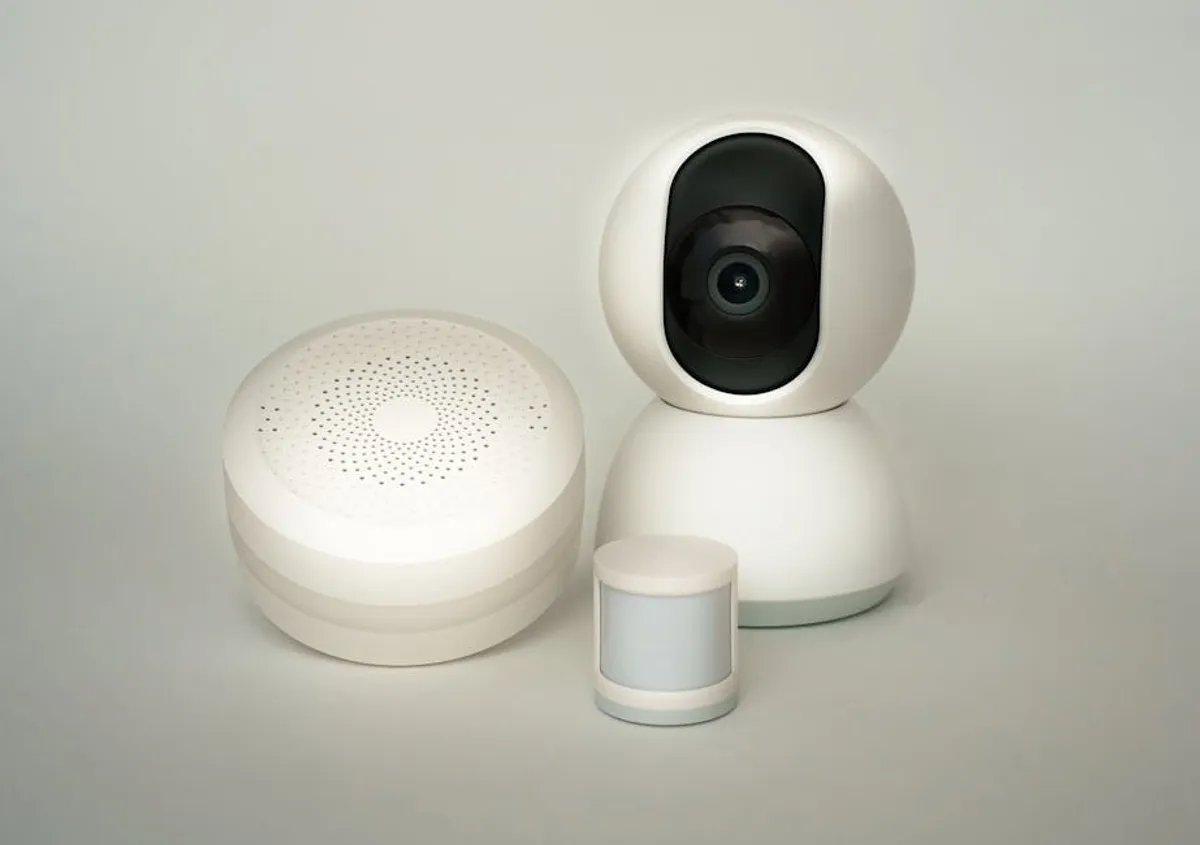
Seamless connectivity remains a priority. Smart thermostats are designed to integrate more deeply with broader smart home platforms (e.g., Apple HomeKit, Google Home, Amazon Alexa) and commercial building management systems (BMS). This allows for centralized control, synchronized automation routines, and data sharing across devices. For example, a motion sensor in a smart lighting system could signal the thermostat that a room is occupied, triggering a climate adjustment. In a commercial setting, this integration enables facility managers to orchestrate climate, lighting, and security from a single dashboard, streamlining operations and improving responsiveness. Following best practices for integrated systems ensures a seamless user experience across all devices.
Advanced Sensor Technology and Zoned Climate Control
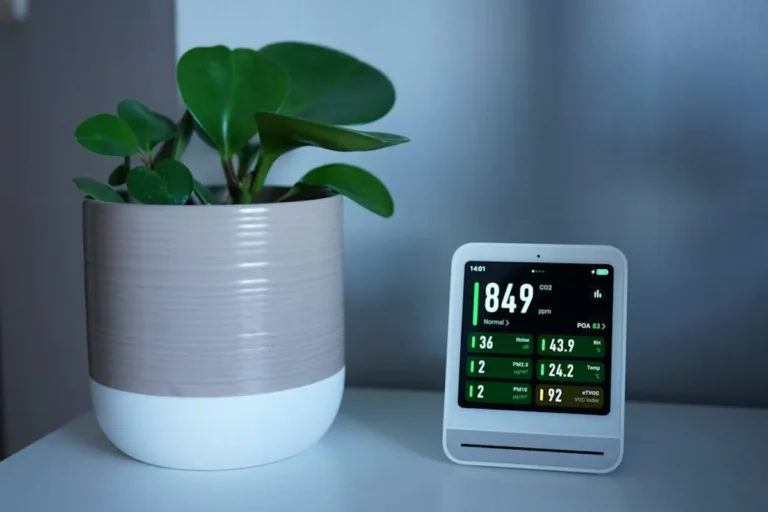
The reliance on a single temperature sensor is diminishing. New smart thermostats incorporate a wider array of sensors, including occupancy, humidity, and even air quality monitors. These sensors enable more granular, room-by-room, or zone-by-zone climate control, addressing hot and cold spots more effectively. Occupancy sensors ensure that energy isn't wasted heating or cooling empty rooms. Humidity sensors can trigger dehumidifiers or humidifiers to maintain optimal indoor air quality and comfort, a critical factor in both residential and commercial environments. This multi-sensor approach contributes to precise environmental management and reduced energy consumption.
Sustainability and Energy Efficiency as Core Drivers
The push for sustainability is not merely a marketing angle; it's a fundamental design principle influencing smart thermostat development, offering both environmental and financial benefits.
Grid Optimization and Demand Response Programs
Smart thermostats are increasingly pivotal in demand response programs offered by utility companies. These programs allow utilities to make minor, temporary adjustments to thermostat settings during periods of high electricity demand (e.g., heatwaves) to stabilize the grid. Users typically receive financial incentives for participation. This trend benefits not only the grid by preventing blackouts but also provides a direct financial return to the property owner or tenant. The ability for thermostats to communicate with the energy grid facilitates a more resilient and efficient energy infrastructure overall.
Real-time Energy Monitoring and Reporting
Transparency in energy consumption is a key feature. Modern smart thermostats provide detailed dashboards and reports on energy usage, often broken down by hour, day, or month. These analytics help users identify patterns, understand the impact of their settings, and pinpoint areas for further optimization. For commercial properties, this data is invaluable for budgeting, verifying energy reduction initiatives, and complying with energy reporting standards. The actionable insights derived from this data empower users to make informed decisions that lead to quantifiable energy savings.
Pro Tip: When evaluating smart thermostat systems for commercial or multi-unit applications, prioritize solutions that offer robust API access and documented integration pathways. This ensures compatibility with existing building management systems (BMS) and allows for custom automation or data analytics workflows, maximizing the long-term utility and ROI of your investment. Proprietary systems with limited integration options can create silos and hinder future scalability.
User Experience and Accessibility Innovations
Beyond raw technology, the usability and accessibility of smart thermostats are crucial for widespread adoption and satisfaction.
Intuitive Interfaces and Voice Control Evolution
Manufacturers are investing heavily in user interface design, making thermostat apps and on-device controls more intuitive and user-friendly. Touchscreen displays are becoming more responsive and informative, while voice control capabilities are growing more sophisticated, understanding complex commands and natural language. This focus on ease of use lowers the barrier to entry for new users and ensures that the advanced features are actually utilized, rather than ignored due to complexity. Simplified setup processes and guided configuration also contribute to a better initial user experience.
Focus on Data Privacy and Security
As smart devices collect more personal and operational data, concerns about privacy and security are rising. Leading smart thermostat providers are responding by implementing stronger encryption protocols, offering options for local data processing, and providing transparent data usage policies. Features like multi-factor authentication for app access and regular security updates are becoming standard. For businesses, ensuring a smart thermostat solution adheres to strict data privacy regulations (e.g., GDPR, CCPA) is paramount to protecting tenant or employee information and maintaining trust.
Key considerations for adopting new smart thermostat technology:
- Compatibility: Ensure seamless integration with existing HVAC systems and other smart home/building platforms.
- Scalability: Choose systems that can easily expand to cover additional zones or properties without significant overhaul.
- Data Privacy: Verify the provider's data handling policies and security measures, especially for sensitive environments.
- Energy Reporting: Look for comprehensive analytics and reporting features to track and optimize energy consumption effectively.
- Installation & Support: Evaluate the ease of installation and the availability of reliable technical support.
- Return on Investment (ROI): Calculate potential energy savings against initial investment and ongoing costs.
Strategic Adoption for Future-Proofing Climate Control
The smart thermostat market is not static; it's a dynamic sector continually introducing innovations that redefine comfort, efficiency, and operational management. For any organization or individual considering an upgrade or new installation, a forward-looking perspective is essential. Prioritize systems that demonstrate strong integration capabilities, robust data security, and a clear roadmap for future updates and feature enhancements. Focus on solutions that offer granular control and actionable insights, as these directly translate into measurable energy savings and improved occupant satisfaction. By aligning with these evolving trends, you can select a climate control solution that delivers immediate benefits while also adapting to future energy demands and technological advancements.
Frequently Asked Questions About Smart Thermostats
How do smart thermostats save energy compared to traditional programmable thermostats?
Smart thermostats save energy by using advanced features like AI-driven predictive scheduling, occupancy sensing, and integration with real-time weather data. Unlike traditional programmable models that follow fixed schedules, smart thermostats learn user habits, adjust to external conditions, and can participate in utility demand response programs to optimize energy consumption dynamically, minimizing waste.
What are the primary benefits of integrating a smart thermostat with other smart home devices?
Integrating a smart thermostat with other smart home devices creates a unified ecosystem for automation and control. Benefits include synchronized climate adjustments based on lighting or security system triggers, centralized control through a single app or voice assistant, and enhanced data sharing that allows all devices to contribute to overall home efficiency and convenience.
Are smart thermostats secure from cyber threats and data breaches?
Reputable smart thermostat manufacturers implement various security measures, including robust encryption, multi-factor authentication, and regular software updates to protect against cyber threats. However, users should always practice good digital hygiene, such as using strong, unique passwords and keeping device software updated, to ensure maximum security for their personal and operational data.