Smart thermostats represent a fundamental shift from manual climate control to an automated, data-driven system. For homeowners and property managers, this transition directly impacts energy consumption, operational costs, and interior comfort. Understanding their core mechanics and feature sets is critical for leveraging their full commercial potential, whether that involves reducing utility bills, optimizing property value, or enhancing occupant satisfaction. This deep dive explains the underlying technology and practical applications that define smart thermostat functionality. To fully grasp the evolving landscape, exploring future smart thermostat trends can offer valuable insights into upcoming innovations.
Core Functionality: How Smart Thermostats Operate
At their foundation, smart thermostats integrate advanced sensors, network connectivity, and sophisticated algorithms to manage heating, ventilation, and air conditioning (HVAC) systems. Unlike traditional programmable thermostats, which rely on fixed schedules, smart variants adapt to real-time conditions and user behaviors, aiming for both efficiency and comfort.
Sensing and Data Collection
Smart thermostats continuously gather environmental data from multiple sources. Onboard sensors detect ambient temperature, humidity, and often occupancy through passive infrared (PIR) motion detectors. Some models incorporate light sensors to adjust display brightness or infer occupancy. Beyond the immediate environment, these devices can pull external data, including local weather forecasts, energy grid demand, and even electricity pricing, via internet connectivity. This comprehensive data stream forms the basis for informed operational decisions, allowing the thermostat to anticipate heating or cooling needs rather than merely reacting to current conditions.
Connectivity and Control
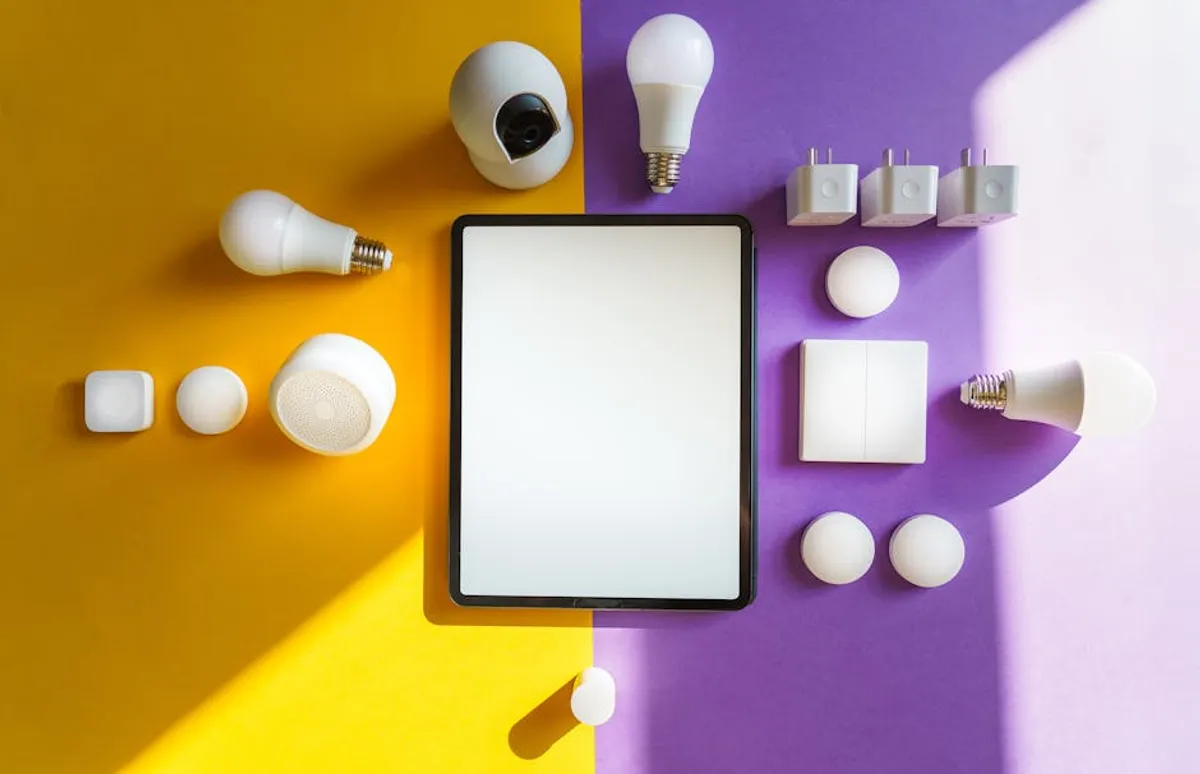
The "smart" aspect largely stems from their network capabilities. Most smart thermostats connect to a home's Wi-Fi network, enabling communication with cloud-based servers and user interfaces. This connectivity facilitates remote control via smartphone applications, allowing users to adjust settings, monitor energy usage, and receive alerts from anywhere with an internet connection. Beyond Wi-Fi, some systems integrate with other smart home protocols like Z-Wave or Zigbee, extending their reach to a broader ecosystem of connected devices, such as smart lighting, door locks, or security systems. This interoperability allows for more complex automation routines, like automatically adjusting temperature when a smart lock indicates the house is empty.
Learning Algorithms and Personalization
A key differentiator for many smart thermostats is their ability to learn and adapt. Through machine learning algorithms, these devices analyze user interactions—such as manual temperature adjustments—and occupancy patterns over time. They can identify peak usage times, preferred comfort settings, and periods of vacancy. Based on this historical data, the thermostat constructs an optimized heating and cooling schedule that often requires minimal manual input. This adaptive scheduling aims to pre-condition spaces before occupants arrive and reduce energy use during unoccupied periods, moving beyond rigid, user-defined programs to a more dynamic, responsive system.
Key Features and Their Commercial Value
The practical benefits of smart thermostats extend beyond basic temperature regulation, offering features that translate directly into operational efficiencies and enhanced user experiences.
Remote Access and Scheduling
Commercial Value: Remote access provides property managers and homeowners the ability to monitor and adjust HVAC settings from off-site. This is particularly valuable for vacation rentals, second homes, or properties with fluctuating occupancy. Adjusting temperature remotely to pre-cool a rental before arrival or scaling back heating after departure prevents unnecessary energy expenditure and ensures comfort upon entry. Advanced scheduling functions, often accessible through intuitive apps, allow for detailed, zone-specific climate control, minimizing waste in infrequently used areas.
Geofencing and Presence Detection
Commercial Value: Geofencing uses a smartphone's location data to determine when occupants are approaching or leaving a property. The thermostat can automatically switch to an "away" setting when the last person leaves a defined perimeter and return to a "home" setting when someone re-enters. Similarly, integrated motion sensors detect actual presence within a room. This dynamic adjustment based on real-time occupancy ensures energy is not wasted heating or cooling an empty space, leading to measurable savings on utility bills. It removes the need for manual adjustments or rigid schedules that don't account for unexpected changes in routine.
Energy Reporting and Savings
Commercial Value: Smart thermostats compile detailed reports on energy consumption, often presented through user-friendly dashboards in their companion apps. These reports can break down usage by day, week, or month, and highlight periods of high consumption. By providing actionable insights into energy patterns, users can identify inefficiencies, understand the impact of their settings, and make informed decisions to reduce their energy footprint. Some models even offer personalized tips or compare usage against similar homes, incentivizing further optimization and contributing to long-term cost reductions.
Integration with Smart Home Ecosystems
Commercial Value: The ability to integrate with broader smart home platforms significantly enhances a smart thermostat's utility. This allows for unified control and automation across various devices, creating a more cohesive and intelligent living or working environment.
- Voice Assistant Compatibility: Control temperature using voice commands through devices like smart speakers.
- Smart Lighting Synchronization: Link HVAC with lighting schedules, e.g., turning off lights and adjusting temperature when leaving.
- Security System Integration: Automatically adjust climate settings when the security system is armed or disarmed.
- Zone Control Systems: Manage multiple thermostats in different areas of a larger property for granular climate management.
This interconnectedness streamlines property management, enhances convenience, and can contribute to a higher perceived value for smart-enabled properties.
Installation and Compatibility Considerations
While many smart thermostats are designed for DIY installation, understanding compatibility requirements is crucial. The most common hurdle is the "C-wire" (common wire), which provides continuous power to the thermostat. Older HVAC systems may lack a C-wire, requiring either professional installation of a new wire, use of a power extender kit, or selection of a model that operates on battery power or uses alternative wiring solutions. Compatibility also extends to the type of HVAC system (e.g., conventional, heat pump, multi-stage) and voltage requirements. Consulting the manufacturer's compatibility checker or a qualified HVAC technician before purchase and installation is recommended to avoid operational issues.
Pro Tip: Before purchasing a smart thermostat, always verify your existing HVAC system's wiring. Many advanced features, especially those requiring consistent power for Wi-Fi and display, depend on a C-wire. Without it, you may experience intermittent functionality or need to invest in an adapter or professional wiring upgrade, adding to the initial cost and installation complexity.
Maximizing Efficiency and Comfort
To fully capitalize on a smart thermostat's capabilities, proactive engagement with its features is essential. Begin by allowing the learning algorithms sufficient time to observe and adapt to your preferences; this period typically spans a few days to a week. Review the energy reports regularly to identify patterns and areas for improvement, such as adjusting setback temperatures during off-peak hours or optimizing geofencing boundaries. Leverage remote access for unexpected schedule changes, preventing unnecessary heating or cooling. Integrating the thermostat with other smart home devices can further automate routines, for instance, linking it to smart blinds that close during peak sun hours to reduce cooling loads. Consistent use of these integrated features maximizes both energy savings and occupant comfort.
Frequently Asked Questions about Smart Thermostats
Do smart thermostats really save money on energy bills?
Yes, smart thermostats can reduce energy consumption by optimizing heating and cooling schedules based on occupancy, learned preferences, and external data like weather. Savings vary depending on previous usage habits, climate, and active engagement with the thermostat's features, but many users report 10-15% reductions in heating and cooling costs.
Is a C-wire always required for installation?
A C-wire is generally required to provide continuous power for the advanced features of most smart thermostats, such as Wi-Fi connectivity and backlighting. Some models offer workarounds, such as power extender kits or battery operation, but a C-wire ensures stable and reliable functionality without frequent battery changes.
Can smart thermostats control multiple zones in a home?
Yes, if your home has a multi-zone HVAC system, you can install multiple smart thermostats, one for each zone. Many smart thermostat platforms allow you to control all connected thermostats from a single app interface, providing granular control over different areas of your property.
Are smart thermostats compatible with all HVAC systems?
Most smart thermostats are compatible with common low-voltage HVAC systems, including conventional furnaces, air conditioners, and heat pumps. However, compatibility can vary for older or more specialized systems, such as millivolt or high-voltage electric baseboard heaters. Always check the manufacturer's compatibility guide for your specific model before purchase.