
Understanding indoor air quality (IAQ) is fundamental for maintaining a healthy and productive environment, whether in a commercial office, a retail space, or a residential property. Poor IAQ can lead to decreased occupant comfort, reduced productivity, increased health complaints, and even long-term structural issues like mold growth. For businesses, this translates to potential absenteeism, higher operational costs due to inefficient HVAC systems, and diminished asset value. This guide outlines the essential components of IAQ, common contaminants, and actionable strategies to assess and improve the air within your buildings, providing a foundation for informed decision-making.
Defining Indoor Air Quality and Its Impact
Indoor air quality refers to the air conditions within and around buildings, particularly concerning the health and comfort of building occupants. It encompasses factors like temperature, humidity, and the presence of various pollutants. Unlike outdoor air, which is constantly diluted by vast atmospheric volumes, indoor air can trap contaminants, often at concentrations significantly higher than outside. This is problematic because most people spend a substantial portion of their lives indoors.
The impact of compromised IAQ extends beyond immediate discomfort. Chronic exposure to indoor pollutants can exacerbate allergies, trigger asthma attacks, and contribute to respiratory illnesses. For commercial entities, this directly affects employee well-being and operational efficiency. A well-managed IAQ system can lead to fewer sick days, enhanced cognitive function, and a more positive perception of the workspace, ultimately supporting business continuity and staff retention.
Common Indoor Air Pollutants
Identifying the primary sources of indoor air contamination is the first step toward mitigation. These pollutants generally fall into several categories:
- Particulates: Microscopic solid or liquid particles suspended in the air. Sources include dust, pollen, pet dander, mold spores, and combustion byproducts from cooking or heating. Fine particulates can penetrate deep into the lungs.
- Volatile Organic Compounds (VOCs): Gases emitted from certain solids or liquids, many of which have short- and long-term adverse health effects. Common sources include paints, varnishes, cleaning supplies, office equipment (printers, copiers), building materials, and furnishings.
- Biological Contaminants: Living organisms or their byproducts that can cause health issues. This category includes mold, bacteria, viruses, dust mites, and pests. High humidity levels often contribute to the proliferation of mold and dust mites.
- Combustion Byproducts: Gases and particles produced by burning fuels. Carbon monoxide (CO), nitrogen dioxide (NO₂), and sulfur dioxide (SO₂) are significant concerns, often originating from unvented or poorly maintained combustion appliances like gas stoves, furnaces, and fireplaces.
- Radon: A naturally occurring radioactive gas that can seep into buildings from the soil. It is colorless, odorless, and tasteless, making it undetectable without specialized testing. Radon exposure is a leading cause of lung cancer among non-smokers.
Strategies for Improving Indoor Air Quality
Effective IAQ management involves a multi-pronged approach focused on source control, ventilation, and air cleaning.
Source Control: Eliminating Pollutant Origins
The most effective strategy is to eliminate or reduce pollutant sources at their point of origin. This requires a systematic review of materials, products, and activities within a building. For example, selecting low-VOC paints and furnishings during renovations significantly reduces chemical off-gassing. Proper storage of cleaning chemicals in sealed containers and using exhaust fans when cooking or cleaning are simple yet impactful measures.
Best for: Preventing pollutant introduction.
Enhancing Ventilation
Ventilation introduces fresh outdoor air and removes stale, contaminated indoor air. Adequate ventilation is critical for diluting pollutants and maintaining comfortable humidity levels. This can be achieved through natural means (opening windows and doors) or mechanical systems.
- Natural Ventilation: Relies on air pressure differences and wind to exchange indoor and outdoor air. While cost-effective, its effectiveness is dependent on weather conditions and outdoor air quality.
- Mechanical Ventilation: Involves HVAC systems, exhaust fans in kitchens and bathrooms, and dedicated ventilation systems like Energy Recovery Ventilators (ERVs) or Heat Recovery Ventilators (HRVs). ERVs and HRVs are particularly efficient as they transfer heat (and sometimes moisture) between incoming and outgoing air streams, reducing energy consumption for heating or cooling.
Best for: Diluting existing pollutants and controlling humidity.
Air Filtration and Purification
While ventilation brings in fresh air, filtration cleans the air that circulates within the building. HVAC systems typically include air filters, rated by their Minimum Efficiency Reporting Value (MERV). Higher MERV ratings indicate finer filtration, capturing smaller particles like pollen, mold spores, and some bacteria. However, higher MERV filters can restrict airflow, requiring compatible HVAC systems.
Portable air purifiers, often equipped with High-Efficiency Particulate Air (HEPA) filters and activated carbon filters, can supplement central HVAC filtration. HEPA filters capture particulates, while activated carbon is effective at absorbing gaseous pollutants and odors, such as VOCs.
Best for: Removing airborne particulates and gaseous contaminants.
Pro Tip: Never rely solely on air fresheners or scented products to address indoor odors. These products often release their own VOCs, masking the problem rather than solving it. Identify and eliminate the source of the odor first, then ensure adequate ventilation.
Humidity Management
Controlling indoor humidity levels is essential for preventing mold growth and inhibiting dust mite populations. Ideal indoor humidity typically ranges between 30% and 50%. Dehumidifiers can reduce excessive moisture, especially in basements or humid climates, while humidifiers can add moisture during dry seasons to prevent issues like dry skin or static electricity. Regular inspection for leaks and prompt repair of water damage are critical preventative measures.
Best for: Preventing biological contaminant growth and enhancing comfort.
Monitoring and Maintenance for Sustained IAQ
Ongoing monitoring and routine maintenance are crucial for sustaining good IAQ. This includes:
- Regular HVAC Maintenance: Professional inspection and cleaning of HVAC systems, including ductwork, coils, and drain pans, prevent the buildup of dust, mold, and other contaminants. Filter replacement schedules should be strictly adhered to.
- Carbon Monoxide Detectors: Essential safety devices for any building with combustion appliances.
- Radon Testing: Periodic testing, especially in areas prone to radon, is recommended. Mitigation systems can effectively reduce elevated radon levels.
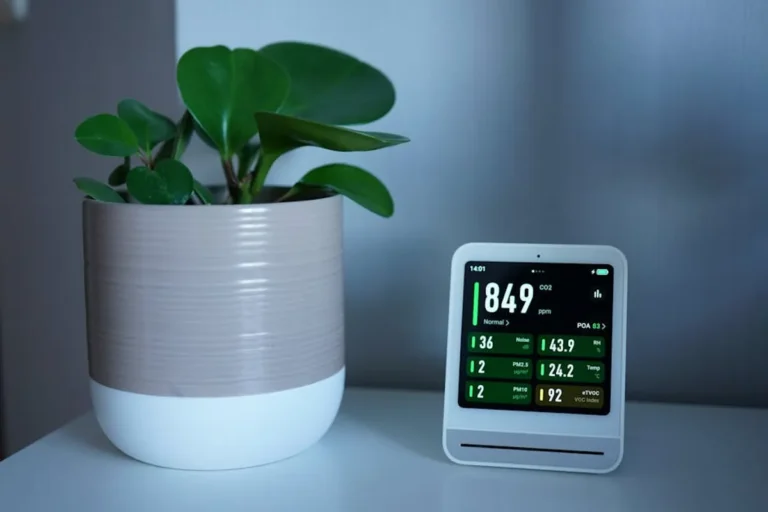
- IAQ Sensors: Modern sensors can monitor various parameters like CO₂, VOCs, and particulate matter levels, providing real-time data to optimize ventilation and identify potential issues before they become severe.
Actionable Steps for Improving Your Indoor Air Quality
Improving indoor air quality is an ongoing process that yields significant returns in health, comfort, and operational efficiency. Start by identifying potential pollutant sources within your environment. Implement source control measures where possible, and prioritize adequate ventilation. Invest in appropriate air filtration for your specific needs, and consistently manage indoor humidity. Regular maintenance and strategic monitoring will ensure these efforts provide lasting benefits. A proactive approach to IAQ not only protects occupants but also preserves the value and integrity of the building itself.
Frequently Asked Questions About Indoor Air Quality
What are the immediate signs of poor indoor air quality?
Immediate signs often include headaches, fatigue, dizziness, nausea, and irritation of the eyes, nose, or throat. You might also notice persistent musty or chemical odors, or a general feeling of stuffiness.
How often should I change my HVAC air filter?
The frequency depends on several factors, including filter type, system usage, and the presence of pets or allergies. Generally, filters should be checked monthly and replaced every 1 to 3 months. Higher MERV filters may require more frequent checks due to faster particulate loading.
Can houseplants improve indoor air quality?
While some studies suggest certain houseplants can absorb small amounts of VOCs, their overall impact on significantly improving IAQ in a typical building environment is minimal compared to robust ventilation and filtration systems. They can contribute to a healthier aesthetic, but should not be considered a primary IAQ solution.
Is professional indoor air quality testing necessary?
For persistent health issues, unusual odors with no obvious source, or concerns about specific pollutants like radon or mold after water damage, professional IAQ testing can provide precise data and actionable recommendations. It's particularly useful when DIY methods haven't resolved the problem.