The landscape of HVAC maintenance is undergoing a significant transformation, driven by technological advancements and an increased focus on sustainability. For businesses managing commercial properties, homeowners seeking long-term efficiency, and service providers aiming to optimize operations, understanding these evolving trends is critical. Staying informed about modern maintenance practices translates directly into reduced operational costs, extended equipment lifespan, improved system reliability, and enhanced occupant comfort. Ignoring these shifts risks outdated infrastructure, higher energy consumption, and competitive disadvantage in a market increasingly valuing proactive, data-driven solutions.
Emerging Technologies Reshaping Maintenance
The integration of advanced technology is moving HVAC maintenance from reactive repairs to proactive, predictive interventions. This shift fundamentally alters how systems are monitored, serviced, and optimized.
Predictive Maintenance with IoT Sensors
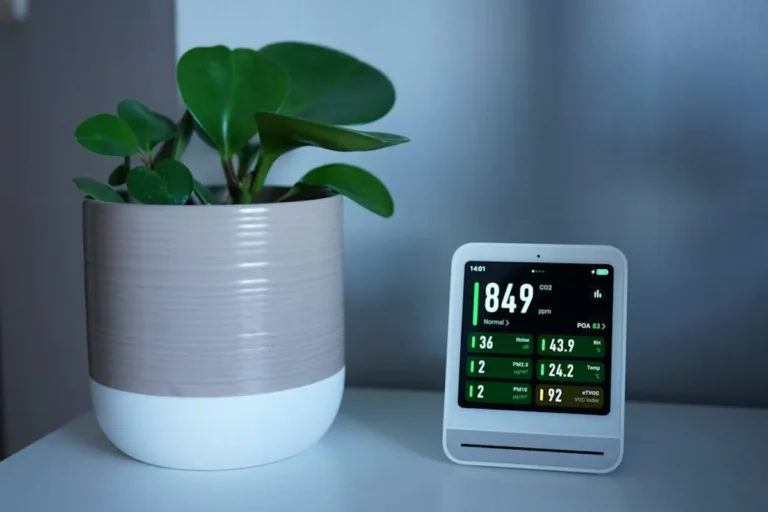
Internet of Things (IoT) sensors are now standard components in many new HVAC systems and are increasingly retrofitted into existing units. These sensors continuously track operational parameters such as refrigerant pressure, compressor vibration, airflow velocity, coil temperatures, and motor current draw. Real-time data streams are transmitted to cloud-based analytics platforms, providing a granular view of system health. This allows for the early detection of anomalies that precede equipment failure, such as subtle changes in vibration patterns indicating bearing wear or gradual pressure drops signaling a refrigerant leak. The benefit is a transition from scheduled, time-based maintenance to condition-based maintenance, where service is performed precisely when needed, minimizing unnecessary inspections and preventing catastrophic breakdowns. For service providers, this enables more efficient resource allocation and the offering of premium, proactive service contracts.
AI and Machine Learning for System Optimization
Beyond simple data collection, artificial intelligence (AI) and machine learning (ML) algorithms are processing the vast amounts of data generated by IoT sensors. These algorithms analyze historical performance data, identify complex patterns, and predict future operational issues with high accuracy. AI can detect subtle inefficiencies that human technicians might miss, such as a slow degradation in heat exchange efficiency or suboptimal fan speed settings. This allows for fine-tuning system operations to maximize energy efficiency, optimize comfort settings based on occupancy patterns, and even personalize maintenance schedules. For example, an AI system might recommend a coil cleaning based on airflow reduction trends rather than a fixed annual schedule. This capability translates into tangible energy savings for system owners and provides service companies with a competitive edge through advanced diagnostic and optimization services.
Sustainability and Efficiency-Driven Practices
Environmental regulations and a growing consumer demand for eco-friendly solutions are pushing HVAC maintenance towards more sustainable and energy-efficient practices.
Refrigerant Management and Compliance
The ongoing phase-out of high-global warming potential (GWP) refrigerants, such as R-22 and R-410A, is a significant trend. Regulations like the American Innovation and Manufacturing (AIM) Act in the U.S. mandate reductions in the production and consumption of HFCs. This means that proper refrigerant management—including leak detection, recovery, recycling, and disposal—is not just an environmental best practice but a legal and financial imperative. Service providers must invest in compliant equipment and training for technicians to handle these substances responsibly. For system owners, this trend necessitates considering new equipment that utilizes low-GWP alternatives (e.g., R-32, R-454B, or natural refrigerants like propane or CO2) during upgrades or replacements. Non-compliance can result in substantial fines, while proactive management reduces environmental impact and ensures operational continuity.
Smart Thermostats and Zoned Systems
The widespread adoption of smart thermostats and zoned HVAC systems offers precise control over indoor environments, directly impacting energy consumption. Smart thermostats learn occupancy patterns, integrate with weather forecasts, and can be remotely managed, optimizing heating and cooling cycles. Zoned systems take this further by allowing different areas of a building to be heated or cooled independently, preventing energy waste in unoccupied spaces. From a maintenance perspective, these systems require technicians to understand network connectivity, software updates, and sensor calibration. For businesses and homeowners, these technologies represent a clear path to reduced energy bills and improved comfort. The commercial implication for service providers includes increased demand for installation, integration, and troubleshooting of these sophisticated control systems, often requiring specialized training in home automation protocols and network security.
Pro Tip: When evaluating HVAC service providers, prioritize those demonstrating a clear investment in technician training for new technologies like IoT diagnostics, AI-driven analytics, and low-GWP refrigerant handling. Ask for specific certifications and examples of their experience with smart systems. A provider focused on continuous education is better equipped to ensure your systems operate efficiently and compliantly.
Service Delivery and Customer Engagement
The way HVAC services are delivered and how customers interact with providers are also evolving, driven by digital tools and data transparency.
Remote Diagnostics and Support
Connected HVAC systems enable remote diagnostics, allowing technicians to access system data and often identify issues without a physical site visit. This reduces "truck rolls," saving time and fuel for service companies, and minimizes disruption for customers. Remote support can often resolve minor issues or prepare technicians with the exact parts and tools needed before dispatching them, leading to higher first-time fix rates. This capability improves service efficiency, reduces downtime, and enhances customer satisfaction through faster response times and more targeted interventions. For service providers, offering remote monitoring and diagnostic services can be a significant differentiator, often bundled into premium service contracts.
Data-Driven Maintenance Contracts
Traditional maintenance contracts are often based on fixed schedules (e.g., quarterly or annually). The availability of real-time performance data is leading to the rise of data-driven, or condition-based, maintenance contracts. These agreements are tailored to the actual operational needs of a specific system, optimizing service intervals based on usage, performance metrics, and predictive analytics. This model can extend equipment life, reduce unexpected failures, and ensure that maintenance resources are applied most effectively. For customers, it offers a more cost-effective and reliable approach to asset management. For service companies, it requires robust data infrastructure and analytical capabilities but allows for the creation of highly customized, value-added service offerings that build stronger, long-term client relationships.
Optimizing Your HVAC Investment
Navigating the evolving HVAC maintenance landscape requires a strategic approach. For businesses, this means evaluating current infrastructure for potential smart technology upgrades, understanding the implications of refrigerant regulations on existing equipment, and seeking service partners who demonstrate expertise in data-driven maintenance. Homeowners benefit from exploring smart thermostat installations and understanding how proactive maintenance can extend the life of their systems and reduce energy bills. The focus should be on leveraging technology and informed practices to move beyond reactive repairs towards a more predictable, efficient, and sustainable operational model.
Frequently Asked Questions
What is predictive maintenance in HVAC?
Predictive maintenance uses data from sensors and analytics to anticipate equipment failures before they occur, scheduling maintenance only when needed, rather than on a fixed calendar basis.
How do smart thermostats contribute to HVAC efficiency?
Smart thermostats optimize energy use by learning occupancy patterns, integrating with external factors like weather, and allowing remote control, ensuring heating and cooling are only active when necessary.
What are the key environmental regulations affecting HVAC refrigerants?
Regulations like the U.S. AIM Act aim to phase down high-GWP HFC refrigerants, requiring careful management, recovery, and eventual replacement with lower-GWP alternatives in new equipment.
How can I find an HVAC service provider experienced with new technologies?
Look for providers advertising expertise in IoT integration, smart home systems, remote diagnostics, and those whose technicians hold certifications for handling new refrigerant types and advanced control systems.