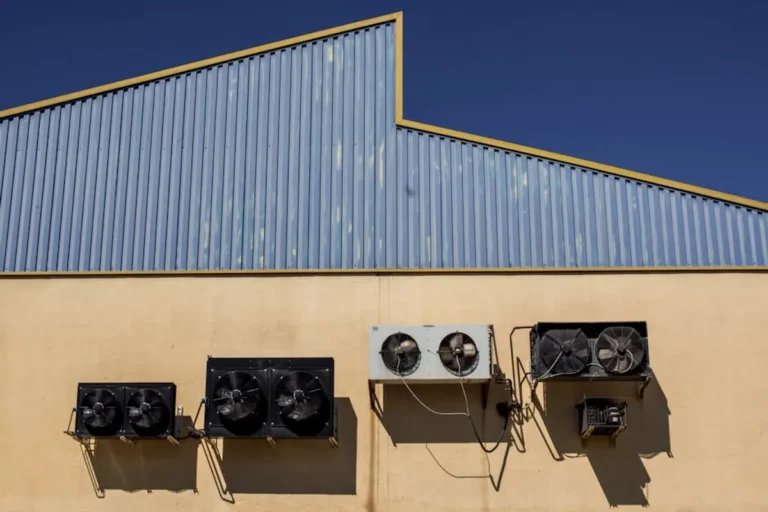
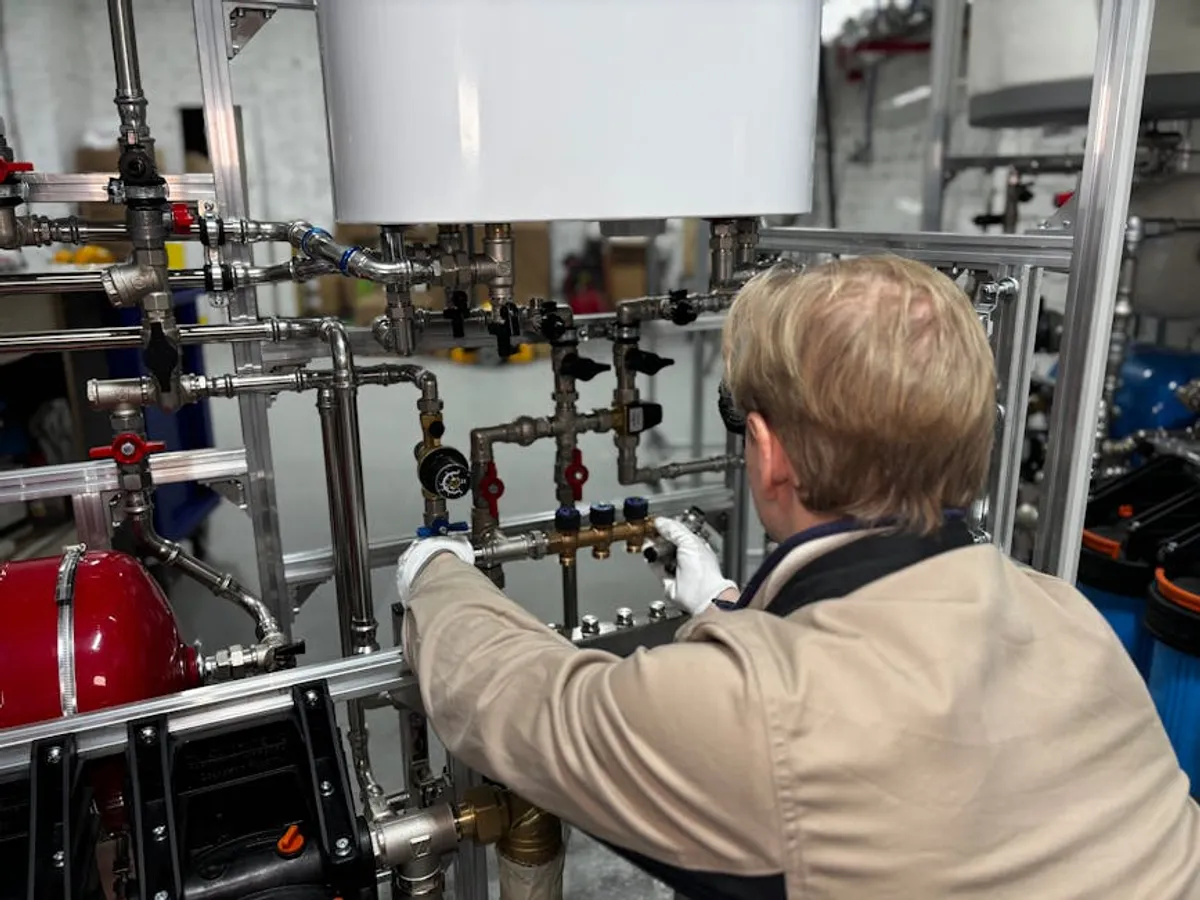
Managing heating and cooling expenses represents a significant portion of operational budgets for both homeowners and businesses. These costs directly impact profitability and personal finances, often fluctuating unpredictably with seasonal changes and energy market shifts. Implementing targeted strategies to reduce this consumption does not merely cut utility bills; it enhances property value, improves indoor comfort, and contributes to long-term financial stability by minimizing a substantial recurring expense. The focus is on actionable steps that yield measurable savings, moving beyond temporary fixes to establish sustainable efficiency.
Optimizing Your HVAC System
The heating, ventilation, and air conditioning (HVAC) system is often the single largest energy consumer in a building. Its efficiency directly dictates a substantial portion of your energy bill. Strategic management and maintenance of this system are paramount for cost reduction.
Regular Maintenance Schedules
Consistent professional maintenance ensures your HVAC system operates at peak efficiency, preventing minor issues from escalating into costly repairs or premature system failure. Annual tune-ups, typically performed in spring for AC and fall for heating, involve cleaning coils, checking refrigerant levels, lubricating moving parts, and inspecting electrical connections. These actions can improve system efficiency by 5-15%, translating directly into lower energy consumption and extended equipment lifespan.
Thermostat Management and Upgrades
Programmable or smart thermostats offer precise control over indoor temperatures, allowing occupants to schedule temperature adjustments based on occupancy patterns. Setting the thermostat back 7-10 degrees Fahrenheit for 8 hours a day (e.g., while at work or sleeping) can save up to 10% on heating and cooling costs annually. Smart thermostats, which learn preferences and adjust automatically, provide even greater optimization by integrating with weather data and occupancy sensors.
Ductwork Integrity and Sealing
Leaky or uninsulated ductwork can account for 20-30% of energy loss, as conditioned air escapes before reaching its intended destination. Inspecting ducts for gaps, tears, or loose connections and sealing them with mastic sealant or metal-backed tape (not duct tape, which degrades) prevents this waste. Insulating ducts in unconditioned spaces like attics or crawl spaces further reduces thermal transfer, ensuring that heated or cooled air maintains its temperature more effectively from the HVAC unit to the vents.
Improving Building Envelope Efficiency
The building envelope – the physical barrier between the conditioned interior and the unconditioned exterior – plays a critical role in energy retention. Enhancing its performance reduces the workload on your HVAC system, leading to significant savings.
Insulation Upgrades and Assessment
Adequate insulation in walls, attics, and floors acts as a thermal barrier, slowing the transfer of heat. Inadequate insulation forces HVAC systems to run longer and harder to maintain desired temperatures. Assessing current R-values (thermal resistance) and adding insulation, particularly in attics where heat gain/loss is highest, can reduce heating costs by 10-20% and cooling costs by 10-15%. Materials like fiberglass, cellulose, and spray foam offer different R-values and installation methods, each suited to specific applications.
Window and Door Sealing
Drafts around windows and doors are major sources of energy loss. Air leakage can account for 25-40% of heating and cooling energy use. Sealing these gaps with weatherstripping, caulk, or door sweeps creates an airtight seal, preventing conditioned air from escaping and unconditioned air from entering. Upgrading to energy-efficient windows, such as double- or triple-pane units with low-emissivity (low-E) coatings, reduces heat transfer through glass, offering substantial long-term savings, though with a higher initial investment.
Roofing and Attic Ventilation
A well-ventilated attic is crucial for managing temperature extremes. Proper attic ventilation allows hot air to escape during summer, preventing heat buildup that radiates into living spaces, reducing air conditioning load. In winter, it helps prevent moisture accumulation and ice dams. Light-colored or reflective roofing materials can also reduce heat absorption, lowering cooling demands by reflecting solar radiation rather than absorbing it.
Pro Tip: Conduct a professional energy audit. Many utility companies offer free or low-cost audits that use specialized equipment like thermal cameras and blower door tests to pinpoint exact areas of energy loss in your building. This data provides a precise roadmap for the most impactful and cost-effective improvements, ensuring your investment targets the biggest energy drains.
Smart Energy Management
Beyond the physical infrastructure, integrating smart technologies and mindful practices can further refine energy consumption and reduce costs.
Appliance Efficiency and Usage
While not directly heating/cooling, inefficient appliances generate heat, increasing the load on your cooling system. Replacing older appliances with ENERGY STAR® certified models can reduce their direct energy consumption and indirectly lower cooling costs. Furthermore, strategic use, such as running dishwashers and laundry machines during off-peak hours or at night, minimizes heat generation during the hottest parts of the day.
Zoning Systems for Targeted Comfort
For larger homes or commercial buildings, installing a zoning system allows for independent temperature control in different areas. This means you only heat or cool occupied zones, rather than the entire building. This targeted approach can significantly reduce energy waste, as unoccupied areas do not receive unnecessary conditioning, potentially leading to 20-30% savings on energy bills in multi-zone applications.
Renewable Energy Integration
Exploring renewable energy sources, such as solar panels, can offset a portion or even all of your electricity consumption, including that used by your HVAC system. While the initial investment is substantial, government incentives, tax credits, and long-term utility savings often make solar a financially viable option, particularly in regions with high electricity rates and ample sunlight. Geothermal heating and cooling systems, which leverage stable underground temperatures, offer highly efficient alternatives to traditional HVAC, providing significant long-term operational savings.
Establishing Sustainable Savings
Reducing heating and cooling costs is an ongoing process that benefits from a combination of strategic investments and consistent behavioral adjustments. Begin by identifying the most significant energy drains through an audit, then prioritize improvements based on return on investment. Regular maintenance, smart thermostat utilization, sealing air leaks, and enhancing insulation provide immediate and sustained financial benefits. Over time, these cumulative efforts not only lower utility bills but also contribute to a more comfortable, valuable, and environmentally responsible property.
Frequently Asked Questions
Q: How often should I change my HVAC filters?
A: HVAC filters should be checked monthly and replaced every 1-3 months, depending on usage, pet presence, and air quality. Dirty filters restrict airflow, making your system work harder and consume more energy.
Q: Is it better to turn off my AC when I leave for the day or leave it on a higher setting?
A: For absences of more than a few hours, it's generally more energy-efficient to raise the thermostat setting (e.g., to 78-80°F in summer) or use a programmable thermostat to schedule a setback. Completely turning it off might require the system to work harder to cool down a very hot space upon return, but a moderate setback is usually optimal.
Q: What is the ideal temperature setting for energy savings?
A: The U.S. Department of Energy recommends setting your thermostat to 78°F in summer when home and 68°F in winter. Adjusting these settings by a few degrees or utilizing setbacks when away can significantly impact energy consumption.
Q: Do ceiling fans actually save money on cooling costs?
A: Yes, ceiling fans create a wind-chill effect, making a room feel 4-7°F cooler without lowering the thermostat. This allows you to raise your thermostat setting, reducing your air conditioner's workload and saving energy. Remember to turn fans off when leaving a room, as they cool people, not spaces.