
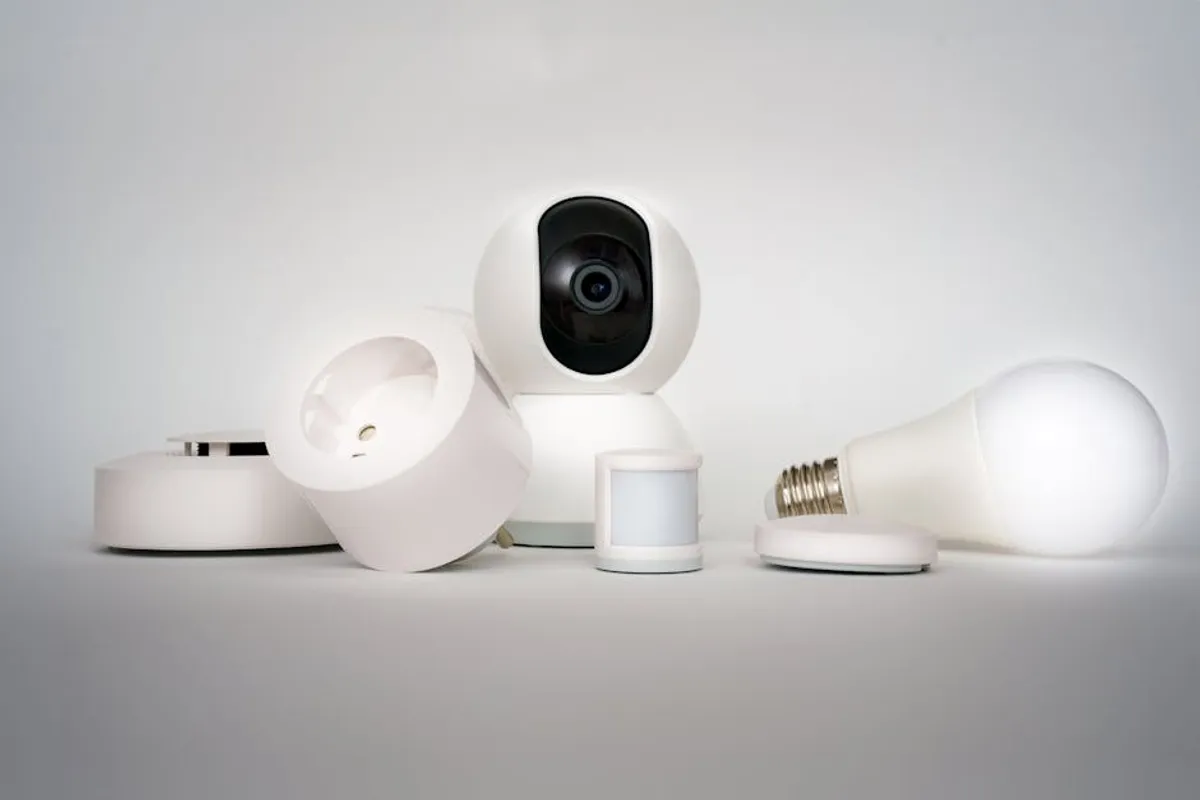
Smart buildings leverage technology to create environments that are more efficient, comfortable, and sustainable than their traditional counterparts. At the core of this transformation lies sensor technology, which moves buildings beyond static infrastructure to dynamic, responsive systems. For property owners, facility managers, and commercial developers, understanding how sensors drive this evolution is crucial for making informed investment decisions. The integration of various sensor types allows for real-time data collection, enabling granular control over building operations and providing actionable insights that directly impact operational costs, occupant well-being, and asset longevity. This shift represents a move from reactive maintenance and fixed schedules to proactive management and data-driven optimization, directly influencing bottom lines and environmental footprints. For property owners, facility managers, and commercial developers, understanding how sensors drive this evolution is crucial for making informed investment decisions and preparing for the future of smart buildings and energy systems.
Foundational Role of Sensor Technology
Sensors act as the eyes and ears of a smart building, continuously monitoring a multitude of environmental and operational parameters. This constant stream of data is what differentiates a smart building from a conventional one, providing the intelligence necessary for automated adjustments and informed decision-making.
Data Acquisition and Granularity
The primary function of sensors is to acquire data. This data can range from simple presence detection to complex air quality metrics. The granularity of this data—how specific and detailed it is—determines the precision of control and the depth of insights available. For instance, a single temperature sensor in a large open-plan office provides less actionable data than multiple sensors distributed across zones, allowing for micro-climatic adjustments. Common data points include temperature, humidity, light levels, occupancy, CO2 concentration, volatile organic compounds (VOCs), energy consumption, and equipment status.
Integration with Building Management Systems (BMS)
Raw sensor data becomes useful when it is collected, processed, and acted upon by a central system. Building Management Systems (BMS) or Integrated Building Management Systems (IBMS) serve this purpose. Sensors communicate with the BMS through various protocols, including wired standards like BACnet and Modbus, and wireless technologies such as Zigbee, Z-Wave, and Wi-Fi. The ability of sensors to seamlessly integrate with these platforms is critical, ensuring that data flows efficiently and can be aggregated for analysis, automation, and reporting. Interoperability across different sensor types and vendor platforms is a key consideration for long-term system scalability and flexibility.
Key Areas of Improvement Driven by Sensors
The impact of sensor deployment is evident across multiple facets of building operation, yielding tangible benefits that contribute to overall building performance and value.
Energy Efficiency Optimization
Energy consumption often represents the largest operational cost for commercial buildings. Sensors provide the data necessary to significantly reduce this expenditure.
- HVAC Control: Occupancy sensors detect when rooms are empty, allowing HVAC systems to reduce heating or cooling in unoccupied zones. Temperature and humidity sensors provide feedback for precise climate control, preventing over-conditioning. CO2 sensors can modulate fresh air intake based on actual occupancy, reducing the energy spent on conditioning outdoor air.
- Lighting Management: Daylight harvesting sensors measure ambient light and dim artificial lights accordingly, while occupancy sensors ensure lights are only on when spaces are in use. This can lead to substantial reductions in lighting energy consumption, particularly in perimeter zones with ample natural light.
- Water Conservation: Leak detection sensors can identify plumbing issues early, preventing costly water damage and waste. Smart irrigation systems use soil moisture sensors and local weather data to apply water only when and where needed, optimizing outdoor water use.
Pro Tip: When implementing energy-saving sensor strategies, prioritize zones with high variability in occupancy or daylight. Focus on systems that consume the most energy, such as HVAC, to achieve the fastest return on investment. Ensure ongoing calibration of sensors for sustained accuracy.
Occupant Comfort and Productivity
Beyond energy savings, sensors directly contribute to a more comfortable, healthier, and ultimately more productive environment for occupants.
Environmental Quality Monitoring
Sensors monitor crucial indoor air quality (IAQ) parameters such as CO2, VOCs, particulate matter (PM2.5), temperature, and humidity. High CO2 levels can impair cognitive function, while elevated VOCs can cause health issues. Real-time IAQ data allows for automated ventilation adjustments, ensuring optimal air exchange and a healthier indoor environment. Personalized control via occupant apps can also empower individuals to adjust their immediate environment, enhancing satisfaction.
Space Utilization Insights
Occupancy sensors and people-counting technologies provide valuable data on how spaces are actually used. This includes knowing which desks are occupied, how frequently meeting rooms are used, and traffic patterns within common areas. This data informs strategic decisions regarding office layout optimization, cleaning schedules, and resource allocation. For example, underutilized spaces can be repurposed, while high-traffic areas can receive more frequent maintenance.
Maintenance and Operational Efficiency
Sensors transform maintenance from a reactive, scheduled activity into a proactive, condition-based process.
Predictive Maintenance
By monitoring the operational parameters of critical equipment (e.g., HVAC units, pumps, elevators) through vibration sensors, thermal imaging, and current transducers, smart buildings can predict potential failures before they occur. Anomalies in temperature, vibration, or energy draw can signal impending issues, allowing maintenance teams to schedule interventions during off-peak hours, minimizing downtime and extending asset life. This reduces emergency repairs, lowers maintenance costs, and improves equipment reliability.
Security and Safety Enhancements
Motion sensors, door/window contacts, and integrated access control systems enhance building security by providing real-time alerts for unauthorized access. Beyond traditional security, smart smoke detectors and CO sensors can pinpoint the exact location of an incident, facilitating faster emergency response. Occupancy data can also assist in emergency evacuation planning and verification.
Implementing a Sensor Strategy
Developing an effective sensor strategy requires a clear understanding of objectives and a phased approach. Begin by identifying specific pain points or areas for improvement within a building, whether it's high energy costs, occupant complaints, or inefficient space use. Select sensor types that directly address these needs, prioritizing solutions that offer open standards for integration with existing or planned BMS infrastructure. Data privacy and cybersecurity considerations are paramount, requiring robust protocols for data encryption and access control. Finally, treat sensor deployment as an iterative process, continuously monitoring performance, analyzing data, and refining automation rules to maximize benefits over time.
Frequently Asked Questions
What types of sensors are most common in smart buildings?
Common sensors include temperature, humidity, occupancy (PIR, ultrasonic, camera-based), light (ambient, daylight harvesting), CO2, volatile organic compounds (VOCs), energy meters, and leak detection sensors.
How do sensors communicate with each other and the BMS?
Sensors communicate via wired protocols such as BACnet, Modbus, and Ethernet, or wirelessly using technologies like Wi-Fi, Zigbee, Z-Wave, LoRaWAN, and Bluetooth Low Energy (BLE), depending on the application and range requirements.
What are the primary benefits of sensor integration in existing buildings?
Integrating sensors into existing buildings primarily yields significant energy savings, improved occupant comfort, enhanced operational efficiency through predictive maintenance, and better space utilization insights, all contributing to a higher asset value.
What challenges should be considered when implementing smart building sensors?
Key challenges include ensuring interoperability between different sensor types and systems, managing and securing the vast amounts of data collected, addressing potential privacy concerns, and the initial investment cost for hardware and integration.