Effective HVAC maintenance extends the operational life of heating, ventilation, and air conditioning systems, directly impacting energy consumption and indoor comfort. For property owners and facility managers, understanding the mechanics of this routine service is crucial for protecting an asset and managing operational costs. Regular, systematic checks and adjustments prevent minor issues from escalating into major, expensive failures, ensuring consistent climate control and optimizing energy efficiency throughout the year.
Core Components of HVAC Maintenance
HVAC maintenance encompasses a series of specific tasks designed to inspect, clean, and optimize system performance. These tasks are typically performed by certified technicians but understanding their purpose helps in assessing service quality and necessity.
- Filter Replacement: Air filters trap dust, pollen, and other airborne particles. Clogged filters restrict airflow, forcing the system to work harder, which increases energy consumption and reduces indoor air quality. Regular replacement, typically every 1-3 months depending on usage and presence of pets or allergies, is fundamental.
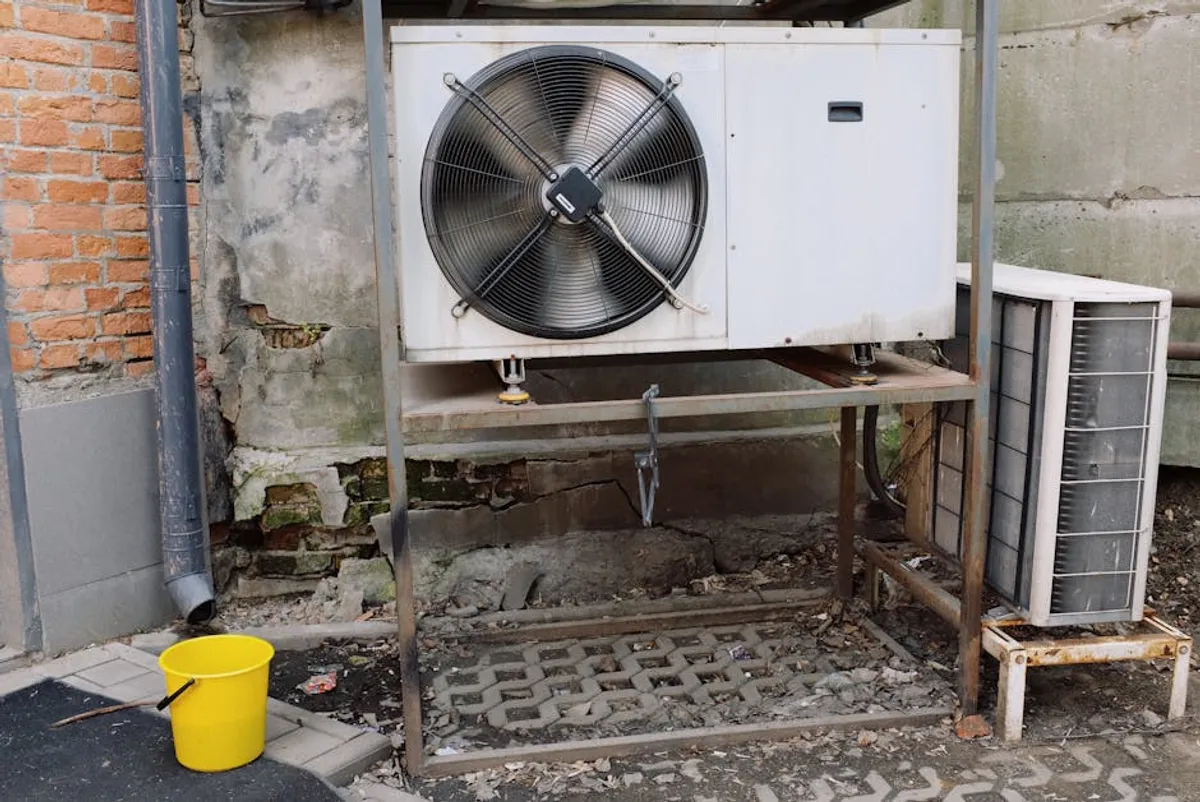
- Coil Cleaning: Both the evaporator coil (indoors) and condenser coil (outdoors) can accumulate dirt and grime. Dirty coils impede heat transfer, significantly reducing efficiency. Technicians clean these coils to restore optimal heat exchange capabilities.
- Drain Line Clearing: The condensate drain line removes moisture collected by the evaporator coil. Blockages, often caused by algae or mold, can lead to water backup, potential leaks, and increased humidity. Clearing this line prevents water damage and maintains proper dehumidification.
- Electrical Connection Inspection: Loose or corroded electrical connections can be a fire hazard and cause system malfunctions. Technicians check all wiring, terminals, and contacts, tightening connections and replacing damaged components as needed.
- Refrigerant Level Check: The refrigerant is the substance that absorbs and releases heat. Incorrect refrigerant levels, often due to leaks, reduce cooling capacity and increase energy use. Technicians verify levels and, if low, identify and repair leaks before recharging.
- Blower Component Inspection: The blower motor and fan move conditioned air through the ductwork. Inspection involves checking the motor for wear, lubricating moving parts, and ensuring the fan blades are clean and balanced for efficient air distribution.
- Thermostat Calibration: An uncalibrated thermostat can lead to inaccurate temperature readings, causing the system to run more or less than necessary. Calibration ensures the system responds accurately to desired temperature settings, maintaining comfort and efficiency.
Tangible Benefits of Proactive HVAC Care
Investing in regular HVAC maintenance yields measurable returns beyond just preventing breakdowns. These benefits directly impact operational budgets and occupant comfort.
Efficiency Gains: A well-maintained HVAC system consumes less energy. Clean coils, clear filters, and properly charged refrigerant allow the system to operate closer to its designed efficiency, translating into lower monthly utility bills. For commercial properties, this can represent substantial savings over time.
Extended Equipment Lifespan: Like any complex machinery, HVAC units experience wear and tear. Routine maintenance addresses minor issues before they become critical, reducing stress on components and significantly extending the overall lifespan of the unit. This delays costly capital expenditures for system replacement.
Improved Indoor Air Quality: Regular filter changes and coil cleaning remove accumulated dust, allergens, and microbial growth, contributing to healthier indoor air. This is particularly important in commercial settings where air quality can impact employee health and productivity.
Preventative Problem Detection: Technicians can identify potential issues, such as worn belts, failing capacitors, or minor refrigerant leaks, during routine checks. Addressing these small problems preemptively avoids unexpected system failures, especially during peak demand periods, and prevents more extensive, expensive repairs.
Warranty Compliance: Many HVAC manufacturers require proof of annual professional maintenance to keep the warranty valid. Neglecting maintenance can void the warranty, leaving owners responsible for the full cost of repairs that would otherwise be covered.
Pro Tip: Document all HVAC maintenance services, including dates, tasks performed, and any parts replaced. This record serves as proof for warranty claims, provides a historical overview of system health, and can be valuable information for potential buyers if the property is sold.
Approaches to HVAC Service: DIY vs. Professional
While some basic tasks can be handled by property owners, many aspects of HVAC maintenance require specialized tools, knowledge, and certifications.
Owner-Performed Tasks:
- Regularly changing air filters according to manufacturer recommendations.
- Keeping the area around the outdoor condenser unit clear of debris, foliage, and obstructions.
- Ensuring indoor vents and returns are unobstructed.
These actions contribute to system efficiency and prolong filter life but do not replace comprehensive professional service.
Professional Service Requirements: Tasks involving refrigerant handling, electrical diagnostics, complex component adjustments, or sealed system repairs always require a certified HVAC technician. These professionals possess the necessary training, tools, and regulatory knowledge to perform these services safely and effectively. Attempting these tasks without proper qualifications can be dangerous and cause further damage to the system, potentially voiding warranties.
Optimizing Your HVAC Investment
Understanding how HVAC maintenance works allows for informed decisions regarding system care. Prioritizing regular, professional service is not merely an expense but a strategic investment that safeguards equipment, reduces operational costs, and ensures a comfortable, healthy indoor environment. By adhering to a consistent maintenance schedule, property owners can maximize efficiency, extend the life of their systems, and avoid unexpected disruptions.
Frequently Asked Questions About HVAC Maintenance
How often should HVAC systems be maintained?
Most manufacturers and industry experts recommend professional maintenance at least once a year, ideally twice: once in the spring for the cooling system and once in the fall for the heating system. This prepares the unit for peak seasonal demands.
What are the signs that an HVAC system needs maintenance?
Common indicators include unusual noises (grinding, squealing), reduced airflow, inconsistent temperatures, increased energy bills without a change in usage, strange odors, or frequent cycling (turning on and off rapidly).
Can regular maintenance prevent all HVAC breakdowns?
While regular maintenance significantly reduces the likelihood of breakdowns and extends system life, it cannot prevent all failures. Components can still wear out or fail unexpectedly due to age, manufacturing defects, or external factors. However, maintenance often catches potential issues before they cause a complete shutdown.
Is an HVAC maintenance contract worth it?
Maintenance contracts often include scheduled visits, priority service, discounts on repairs, and waived diagnostic fees. For many property owners, the cost savings from improved efficiency, extended equipment life, and reduced emergency repair expenses make these contracts a worthwhile investment.