Energy efficiency represents a core strategy for optimizing resource consumption and reducing operational costs across residential, commercial, and industrial sectors. It centers on achieving the same output or service with less energy input, rather than simply curtailing usage. For businesses, this translates directly into improved profitability, enhanced competitiveness, and often, a reduced environmental footprint. Understanding how energy efficiency works involves recognizing the underlying principles, the technologies that enable it, and the methods for measuring its impact, all of which contribute to informed investment decisions and sustainable operations. Exploring how energy efficiency works also benefits from looking at real-world efficiency examples across different sectors.
Fundamental Principles of Energy Efficiency
The operational framework of energy efficiency is built upon several key principles designed to minimize waste and maximize utility from every unit of energy consumed. These principles guide the development and implementation of efficient systems and practices.
Reducing Waste
At its most basic, energy efficiency begins with identifying and eliminating energy waste. This encompasses a broad range of scenarios, from heat escaping poorly insulated buildings to electricity consumed by devices in standby mode. Addressing waste involves:
- Thermal Envelope Improvements: Enhancing insulation in walls, roofs, and foundations, alongside upgrading windows and doors, significantly reduces heat transfer, lowering heating and cooling loads.
- Minimizing Phantom Load: Devices drawing power even when turned off (e.g., chargers, electronics) contribute to continuous, unnecessary energy consumption. Smart power strips and design improvements mitigate this.
- Optimizing Process Heat: In industrial settings, recovering waste heat and reusing it within the process, or for other applications like facility heating, dramatically improves overall energy utilization.
Optimizing Systems
Beyond waste reduction, energy efficiency focuses on ensuring that active energy-consuming systems operate at their peak performance. This often involves upgrading older, less efficient equipment or fine-tuning existing systems to match demand more precisely. This focus on peak performance also means implementing practical efficiency tips that can be applied immediately.
Examples include:
- HVAC Systems: Replacing outdated boilers, furnaces, and air conditioners with high-efficiency models, or implementing variable refrigerant flow (VRF) systems, reduces energy demand for climate control.
- Lighting: Transitioning from incandescent or fluorescent lighting to LED technology provides equivalent or superior illumination with significantly lower electricity consumption and longer lifespans.
- Motors and Pumps: Using variable frequency drives (VFDs) with motors and pumps allows their speed and power output to be adjusted based on actual load requirements, rather than running at full capacity unnecessarily.
Adopting Renewable Integration
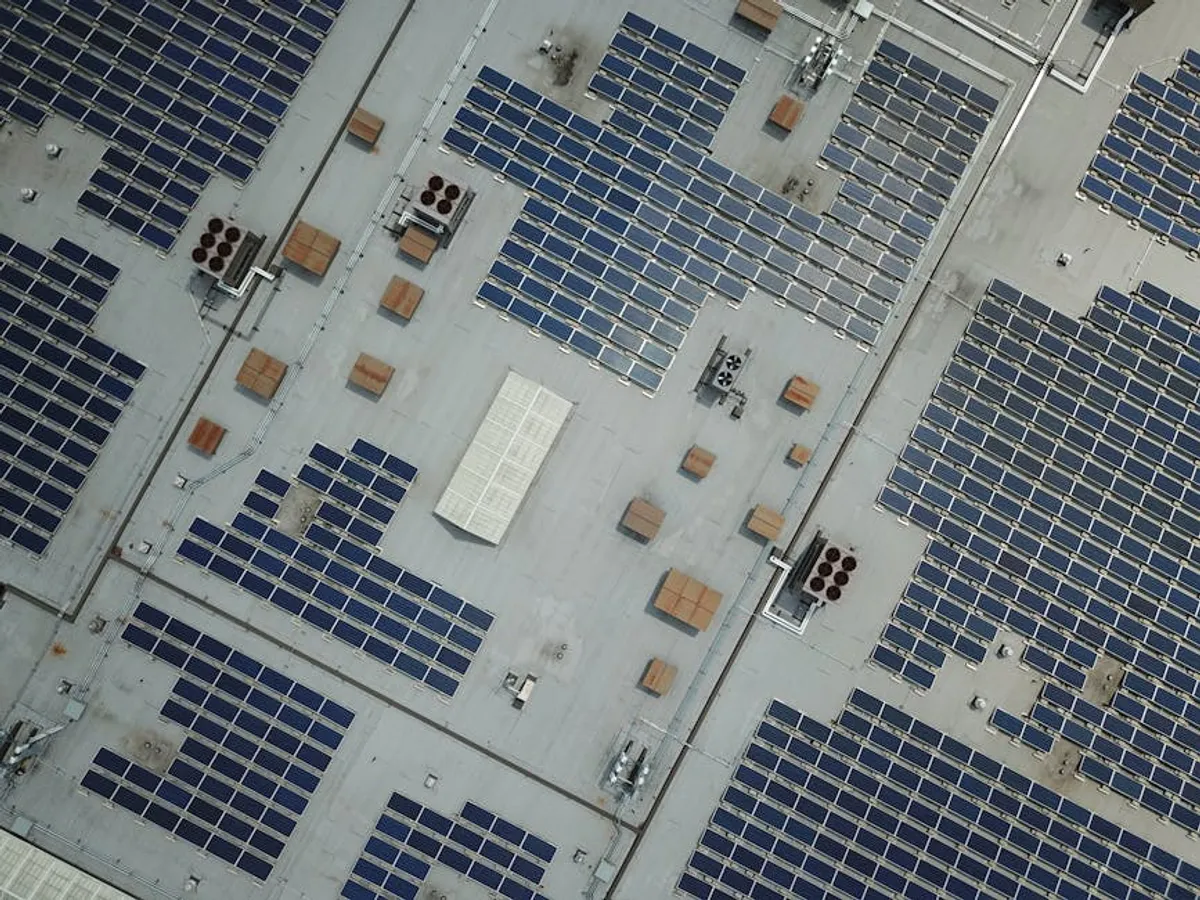
While distinct from energy efficiency, integrating renewable energy sources like solar photovoltaics or wind power complements efficiency efforts by reducing reliance on grid electricity. An efficient building or process requires less energy overall, meaning smaller, more cost-effective renewable systems can meet a larger percentage of the reduced demand. This synergy enhances energy independence and further lowers operational costs.
Practical Applications Across Sectors
Energy efficiency manifests differently depending on the context, with tailored solutions addressing specific needs in residential, commercial, and industrial environments.
Residential Energy Efficiency
For homeowners, energy efficiency primarily targets comfort and utility bill reduction. Common applications include:
- Smart Thermostats: Learning household patterns and adjusting temperatures automatically, or allowing remote control, prevents unnecessary heating or cooling.
- Appliance Upgrades: Replacing older refrigerators, washing machines, and water heaters with ENERGY STAR-certified models can yield substantial savings.
- Weatherization: Sealing air leaks around windows, doors, and utility penetrations prevents conditioned air from escaping and unconditioned air from entering.
Commercial and Industrial Energy Efficiency
Businesses prioritize energy efficiency for direct cost savings, compliance with environmental regulations, and improved corporate image. The scale and complexity of these applications are typically greater:
Building Management Systems (BMS): Centralized control systems integrate HVAC, lighting, security, and power monitoring to optimize energy use across an entire facility based on occupancy, time of day, and external conditions.
Process Optimization: In manufacturing, this involves redesigning production lines, improving insulation on heated vessels, or recovering waste heat to preheat incoming materials. For data centers, it means optimizing cooling infrastructure and server virtualization.
Pro Tip: Conduct a professional energy audit to identify the most impactful and cost-effective efficiency upgrades for your specific facility. An audit provides a detailed roadmap, prioritizing investments based on potential savings and return on investment, often uncovering opportunities not immediately apparent.
Technologies Driving Efficiency
Advancements in various technological fields continuously expand the possibilities for achieving greater energy efficiency.
Smart Controls and Automation
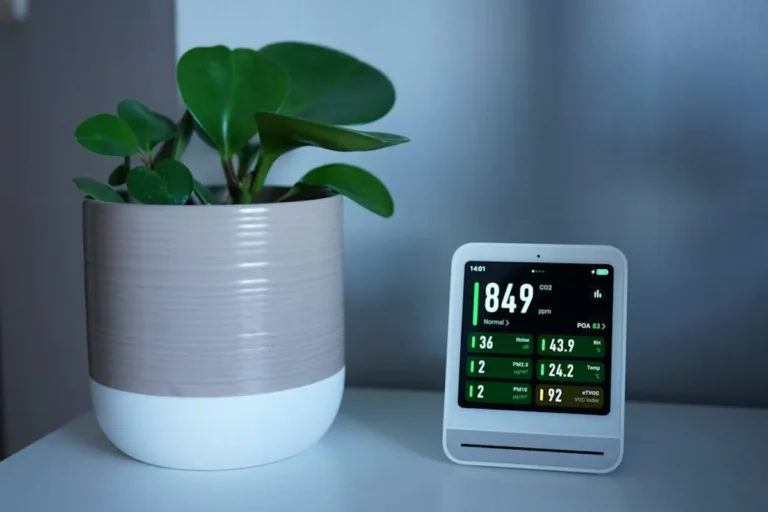
The proliferation of sensors, the Internet of Things (IoT), and artificial intelligence (AI) has revolutionized how energy is managed. These technologies enable real-time monitoring, predictive analytics, and automated adjustments to optimize energy consumption without human intervention. For instance, occupancy sensors can turn off lights in unoccupied rooms, while AI-powered systems can predict energy demand based on weather forecasts and operational schedules.
Advanced Materials
Innovations in materials science contribute directly to efficiency. High-performance insulation materials, low-emissivity (low-e) window coatings that reflect heat, and phase-change materials that absorb and release thermal energy are examples. These materials enhance building envelopes and equipment performance, reducing the energy needed to maintain desired conditions.
High-Efficiency Equipment
Ongoing research and development lead to increasingly efficient versions of standard equipment. This includes ultra-efficient motors, advanced compressor designs for refrigeration and air conditioning, and LED lighting that continues to improve in lumen output per watt. Investing in these technologies often carries a higher upfront cost but delivers significant long-term operational savings.
Measuring and Verifying Efficiency Gains
To confirm that efficiency initiatives are delivering expected results, robust measurement and verification processes are essential. This involves:
- Energy Audits: Comprehensive assessments that identify energy consumption patterns, pinpoint areas of waste, and recommend specific improvements.
- Benchmarking: Comparing a facility's energy performance against similar facilities or industry standards to identify opportunities for improvement and track progress.
- Sub-metering: Installing meters on specific systems or departments to track their individual energy consumption, allowing for more granular analysis and accountability.
- Return on Investment (ROI) and Lifecycle Cost Analysis: Calculating the financial payback period for efficiency investments and evaluating the total cost of ownership over the equipment's lifetime, including energy, maintenance, and disposal costs.
Maximizing Your Energy Efficiency Investments
Implementing energy efficiency measures is a strategic decision that offers tangible benefits. To maximize these investments, begin with a thorough assessment of current energy usage and potential savings. Prioritize actions that offer the highest return on investment and align with long-term operational goals. Engage qualified professionals for audits and installations to ensure systems are correctly specified and optimized. Finally, establish a routine for monitoring energy consumption and maintaining equipment to sustain efficiency gains over time. This proactive approach ensures that energy efficiency becomes an ongoing asset rather than a one-time project.
Frequently Asked Questions
Q: What's the difference between energy efficiency and energy conservation?
A: Energy efficiency means using less energy to achieve the same or a better outcome (e.g., an LED bulb providing the same light as an incandescent bulb with less electricity). Energy conservation means reducing energy consumption by changing habits or reducing overall usage (e.g., turning off lights when leaving a room).
Q: How quickly do energy efficiency upgrades pay for themselves?
A: The payback period varies significantly based on the specific upgrade, existing energy costs, and available incentives. Simple changes like LED lighting might pay back in months, while major HVAC overhauls could take several years. A detailed energy audit can provide precise payback estimates.
Q: Are there government incentives for energy efficiency?
A: Many governments and utility companies offer tax credits, rebates, grants, or low-interest loans for energy-efficient upgrades. These programs can substantially reduce the upfront cost of investments, improving their financial viability. Research local and national programs applicable to your situation.
Q: Where should I start with improving energy efficiency?
A: Begin by understanding your current energy consumption through utility bills and, ideally, a professional energy audit. Focus on "low-hanging fruit" first—measures with high impact and low cost, such as sealing air leaks, upgrading lighting, or optimizing thermostat settings. Then, consider larger investments with longer paybacks.