Implementing energy efficiency measures represents a critical operational decision for businesses and individuals alike, moving beyond mere cost-cutting to encompass sustainability, regulatory compliance, and enhanced brand perception. The immediate financial benefits, derived from reduced utility expenditures, are often the primary driver. However, the strategic value extends to minimizing environmental impact, improving indoor comfort, and potentially increasing property value. This article details actionable strategies and investments to optimize energy consumption, providing a framework for both immediate savings and long-term sustainable operations.
Optimizing HVAC Systems for Reduced Consumption
Heating, Ventilation, and Air Conditioning (HVAC) systems typically account for a significant portion of a building's total energy use. Optimizing these systems offers substantial opportunities for efficiency gains.
Regular Maintenance and Filter Replacement
Consistent maintenance is not merely preventative; it directly impacts operational efficiency. Dirty filters restrict airflow, forcing the HVAC unit to work harder and consume more electricity. Replacing filters monthly, or quarterly at minimum, can reduce energy consumption by 5% to 15%. Annual professional tune-ups ensure components are clean, refrigerant levels are optimal, and moving parts are lubricated, preventing minor issues from escalating into costly repairs and maintaining peak performance.
Smart Thermostat Implementation
Programmable and smart thermostats offer granular control over indoor climate, allowing for precise temperature scheduling based on occupancy patterns. Smart models learn preferences, detect occupancy through sensors, and can be managed remotely via mobile applications. This capability ensures energy is not wasted heating or cooling unoccupied spaces, leading to an average savings of 10% to 12% on heating and 15% on cooling costs annually. Integration with building management systems (BMS) further enhances control and data analytics for larger commercial properties.
Sealing Leaks and Improving Insulation
The building envelope plays a crucial role in maintaining desired indoor temperatures. Air leaks around windows, doors, electrical outlets, and plumbing penetrations allow conditioned air to escape and unconditioned air to infiltrate, forcing HVAC systems to compensate. Sealing these leaks with caulk and weatherstripping can yield significant savings. Furthermore, upgrading insulation in attics, walls, and crawl spaces reduces heat transfer, maintaining stable indoor temperatures with less energy input. Proper insulation also mitigates condensation issues and improves acoustic performance.
Lighting Upgrades and Management
Lighting is another substantial energy consumer, particularly in commercial settings. Modernizing lighting infrastructure offers immediate and measurable returns.
Transitioning to LED Technology
Light Emitting Diode (LED) technology offers a compelling upgrade path from traditional incandescent, fluorescent, and halogen bulbs. LEDs consume 75% to 80% less energy than incandescent bulbs and last 25 times longer. Their superior lumen-per-watt efficacy translates directly into lower electricity bills and reduced maintenance costs due to extended lifespans. The rapid payback period, often under two years for high-usage areas, makes LED conversion a financially sound decision.
Utilizing Natural Light and Occupancy Sensors
Maximizing daylight penetration through strategic window design, skylights, and light shelves reduces the need for artificial lighting during daytime hours. Complementing this, occupancy sensors and daylight harvesting controls automatically adjust light levels based on ambient light and presence. Sensors ensure lights are only active when a space is occupied, while daylight harvesting dims artificial lights when sufficient natural light is available, preventing over-illumination and unnecessary energy expenditure.
Appliance and Equipment Efficiency
From office equipment to industrial machinery, the cumulative energy draw of appliances can be substantial. Selecting and managing these assets efficiently is key.
Energy Star Certified Purchases
The Energy Star label indicates that a product meets strict energy efficiency guidelines set by government agencies. Choosing Energy Star certified appliances, computers, monitors, and other office equipment ensures lower operating costs over the product's lifespan. These products are designed to perform their primary function while using less energy, often incorporating advanced features like sleep modes and efficient power supplies.
Phantom Load Reduction
Many electronic devices consume power even when turned off or in standby mode—a phenomenon known as "phantom load" or "vampire drain." This continuous draw can account for 5% to 10% of a building's electricity use. Strategies to combat this include:
- Unplugging devices when not in use.
- Utilizing smart power strips that cut power to peripherals when the main device (e.g., computer) is off.
- Implementing timer switches for devices that only need to operate during specific hours.
Server Room and Data Center Optimization
Data centers are energy-intensive due to the power required for servers and, critically, for cooling. Optimization strategies include:
- Hot aisle/cold aisle containment to prevent mixing of hot and cold air.
- Utilizing higher operating temperatures for servers within manufacturer specifications to reduce cooling load.
- Implementing virtualization to reduce the number of physical servers.
- Employing energy-efficient server hardware and power supplies.
- Exploring free cooling options, leveraging outside air when temperatures permit.
Water Heating and Usage Strategies
Heating water is one of the most energy-intensive processes in many buildings. Efficient water use and heating directly reduce energy consumption.
Lowering Water Heater Temperature
Standard water heaters are often set to 140°F (60°C). Reducing the thermostat setting to 120°F (49°C) can save 4% to 22% on water heating costs, depending on usage patterns, without significantly impacting comfort or hygiene for most applications. For commercial kitchens or medical facilities, higher temperatures may be necessary, but a review of specific needs is always warranted.
Low-Flow Fixtures and Leak Repair
Installing low-flow showerheads, faucets, and toilets significantly reduces hot water demand, directly lowering the energy required to heat water. Repairing leaks promptly is also critical; a single leaky faucet can waste thousands of gallons of water annually, along with the energy used to heat it if it's a hot water tap.
Behavioral Changes and Employee Engagement
Technology and infrastructure upgrades are only part of the solution; human behavior plays a substantial role in overall energy consumption.
Cultivating an Energy-Saving Culture
Engaging employees or occupants through awareness campaigns, training sessions, and clear guidelines can foster a culture of energy conservation. Simple actions, such as turning off lights when leaving a room, powering down workstations at the end of the day, and reporting leaks or inefficiencies, collectively contribute to significant savings. Establishing internal champions or green teams can help drive these initiatives.
Regular Energy Audits
Periodic energy audits provide a comprehensive assessment of a building's energy use, identifying specific areas of waste and opportunities for improvement. These audits range from walk-through assessments to detailed engineering analyses involving thermal imaging and blower door tests. The data gathered informs targeted interventions and allows for prioritization of investments based on potential ROI.
Pro Tip: When conducting an energy audit, don't overlook peak demand charges. Many commercial electricity tariffs include charges based on the highest power consumption recorded during a billing cycle. Identifying and mitigating these peaks through load shifting or demand response programs can yield substantial cost reductions beyond simple kilowatt-hour savings.
Long-Term Investments for Sustainable Savings
While some efficiency measures offer quick returns, others represent strategic long-term investments that lock in sustainable savings and enhance asset value.
Renewable Energy Integration
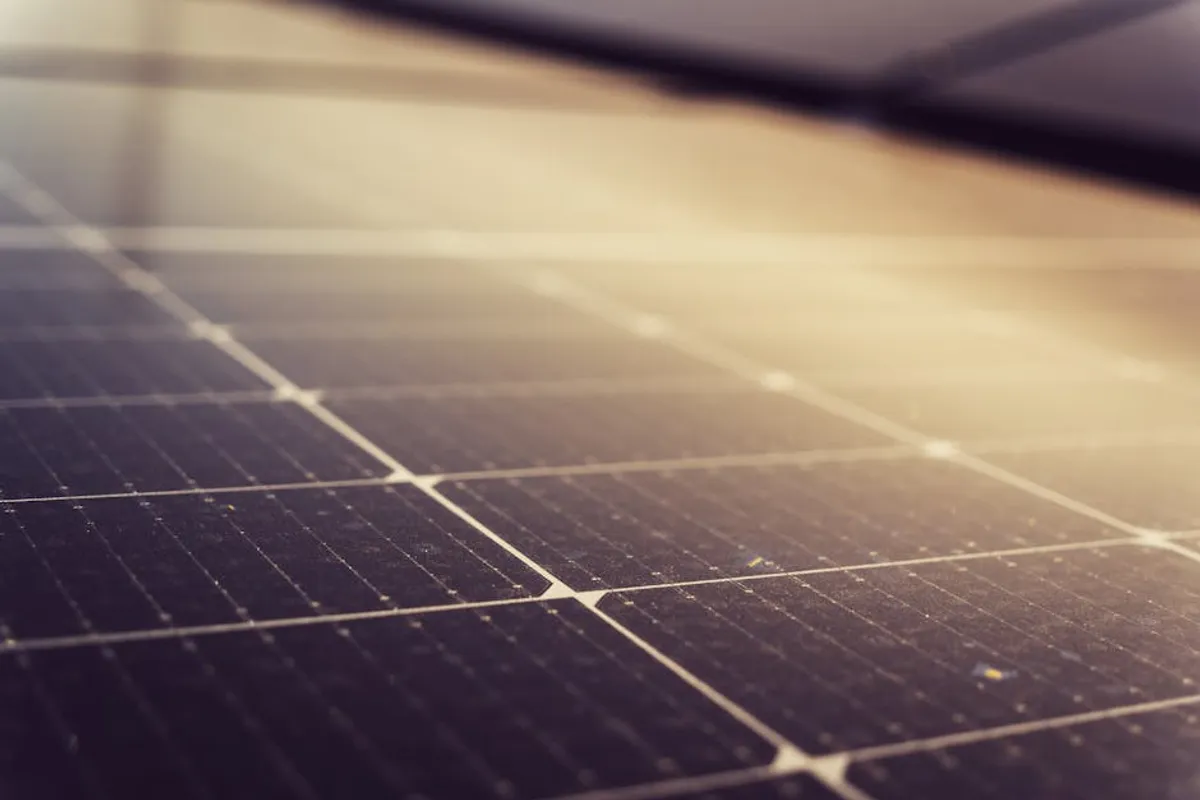
Integrating renewable energy sources, such as solar photovoltaic (PV) panels or small-scale wind turbines, can significantly reduce reliance on grid electricity and associated costs. While the initial investment can be substantial, government incentives, tax credits, and net metering policies often improve the financial viability, leading to long-term energy independence and reduced carbon footprint.
Building Envelope Improvements
Beyond basic sealing and insulation, comprehensive building envelope upgrades involve replacing old, inefficient windows with high-performance, double or triple-pane units, installing cool roofs or green roofs, and improving exterior wall systems. These measures dramatically reduce heat gain in summer and heat loss in winter, stabilizing indoor temperatures and reducing HVAC load over decades.
Practical Implementation Guide
To effectively implement energy efficiency tips, a structured approach is essential. Begin by conducting an initial assessment to identify the most significant energy consumers and areas of obvious waste. Prioritize interventions based on their potential for immediate impact, cost-effectiveness, and ease of implementation. Track energy consumption metrics before and after changes to quantify savings and demonstrate ROI. Continuously monitor systems and educate occupants to sustain efficiency gains over time. This iterative process ensures ongoing optimization and maximizes the long-term benefits of energy conservation efforts.
Frequently Asked Questions
What is the quickest way to see energy savings?
The quickest way to see energy savings is often through behavioral changes, such as adjusting thermostat settings, unplugging unused electronics, and ensuring lights are turned off in unoccupied areas. Upgrading to LED lighting in high-use areas also provides rapid returns due to immediate energy reduction.
How often should I conduct an energy audit?
For most businesses, a comprehensive energy audit every 3-5 years is recommended to identify new opportunities for savings and assess the performance of existing systems. For rapidly growing or changing operations, more frequent audits may be beneficial.
Are energy-efficient upgrades tax deductible?
Many jurisdictions offer tax credits, deductions, or rebates for energy-efficient upgrades to homes and businesses. These incentives vary by location and type of upgrade, so consulting with a tax professional or local energy program administrator is advisable to understand available benefits.
What is "phantom load"?
Phantom load, also known as vampire drain or standby power, refers to the electricity consumed by electronic devices when they are turned off but still plugged in, or when they are in standby mode. This continuous, low-level power draw can accumulate and contribute significantly to overall energy consumption.