
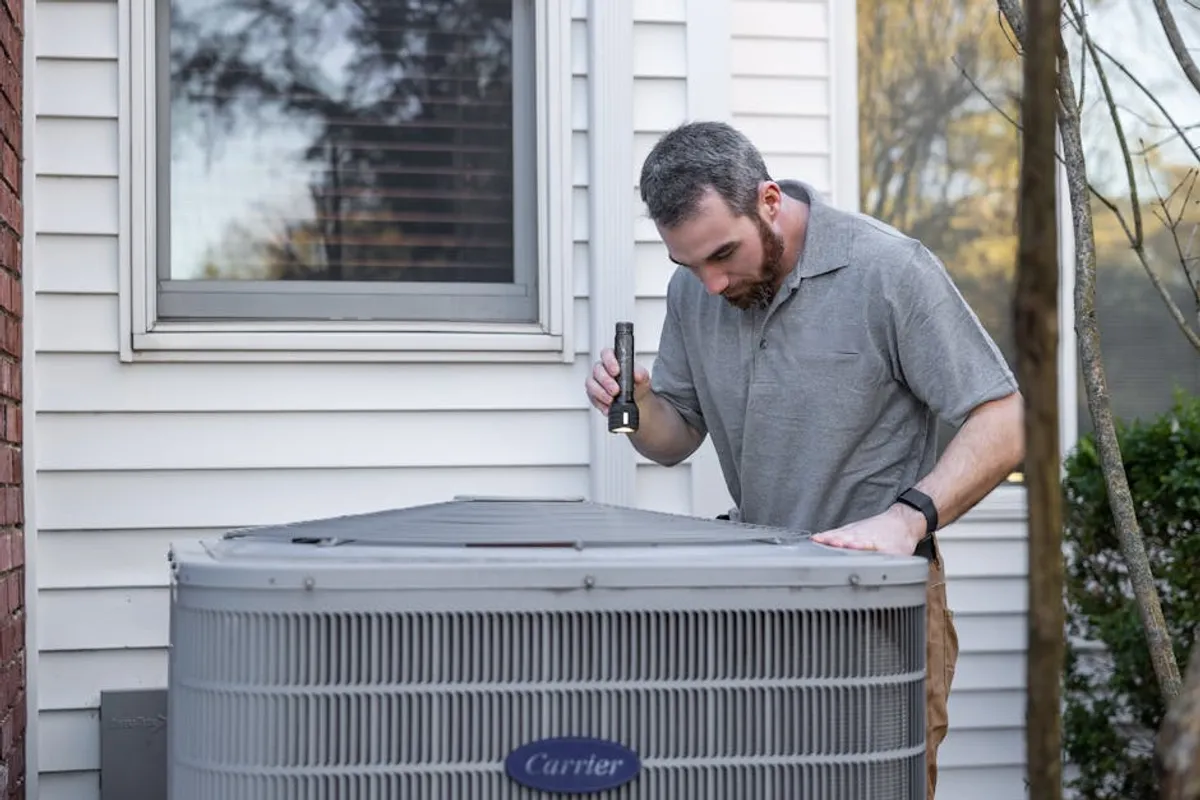
The heat pump market is undergoing significant transformation, driven by global electrification mandates, evolving consumer demands, and rapid technological advancements. For businesses operating in HVAC, construction, energy, and real estate, understanding these shifts is crucial for strategic positioning and sustained growth. This analysis identifies key trends shaping the heat pump landscape, offering a framework for anticipating market needs and adapting commercial strategies. For those seeking a broader understanding, a comprehensive overview of heat pumps can provide valuable context.
Policy-Driven Electrification and Incentives
Governmental initiatives worldwide are accelerating heat pump adoption through a combination of mandates and financial incentives. The Inflation Reduction Act (IRA) in the United States, for instance, provides substantial tax credits for homeowners installing eligible heat pumps, alongside rebates that can significantly reduce upfront costs. Similar programs exist across Europe and other regions, aiming to decarbonize heating and cooling sectors. These policies create a direct market pull, making heat pumps more financially attractive to a broader consumer base.
For manufacturers, this translates to increased demand for compliant, high-efficiency models. Installers benefit from a growing customer pool, but must navigate the complexities of local and federal incentive programs to advise clients effectively. Real estate developers are increasingly incorporating heat pumps into new constructions to meet energy efficiency standards and enhance property value, appealing to eco-conscious buyers and reducing long-term operational costs.
Technological Advancements in Performance and Integration
Modern heat pumps are addressing historical limitations, particularly regarding cold-climate performance and system integration. Innovations in variable-speed compressors, enhanced vapor injection (EVI) technology, and advanced refrigerants allow units to operate efficiently in temperatures well below freezing, dispelling previous concerns about supplemental heating requirements. This expanded operational envelope makes heat pumps viable primary heating solutions in diverse climates.
Beyond raw performance, smart controls and IoT integration are becoming standard. These features enable remote monitoring, predictive maintenance, and energy optimization. Homeowners can manage their systems via smartphone apps, while service providers can diagnose issues remotely, improving response times and reducing service costs. The integration extends to hybrid systems, combining heat pumps with existing gas furnaces for optimal efficiency and resilience, particularly in retrofit scenarios where full electrification may be impractical initially.
Market Adoption and Consumer Education
While policy and technology drive supply, consumer awareness and acceptance dictate market adoption rates. There is a growing understanding of heat pump benefits, including lower operating costs, reduced carbon footprint, and dual heating/cooling capabilities. However, misconceptions persist regarding upfront costs, cold-weather performance, and installation complexity.
The industry is responding with increased marketing efforts focused on total cost of ownership rather than just initial purchase price, highlighting long-term savings and environmental benefits. Installer training programs are critical to ensure quality installations and effective customer education. As more homeowners experience the benefits, word-of-mouth referrals and positive case studies become powerful drivers of adoption. The demand is shifting from simply replacing a furnace to seeking a comprehensive, energy-efficient home comfort solution.
Sustainability and Refrigerant Evolution
The environmental impact of refrigerants is a significant consideration, pushing the industry towards lower Global Warming Potential (GWP) alternatives. Traditional refrigerants like R-410A are being phased out in favor of options such as R-32 and R-290 (propane), which have significantly reduced GWP. The introduction of A2L refrigerants, which are mildly flammable, requires new safety protocols and training for handling and installation.
This shift impacts manufacturing processes, supply chains, and installer certifications. Businesses must invest in training and equipment to safely manage these new refrigerants. The focus extends beyond the refrigerant itself to the entire lifecycle of the heat pump, including manufacturing processes, energy consumption during operation, and end-of-life recycling. A circular economy approach is gaining traction, emphasizing repairability, longevity, and resource recovery.
Pro Tip for Businesses: As refrigerant regulations tighten and new low-GWP options become standard, prioritize comprehensive technician training on safe handling, installation, and maintenance procedures for these evolving substances. Non-compliance or improper handling can lead to significant safety risks, regulatory fines, and reputational damage. Ensure your team is certified and equipped for the next generation of heat pump technology.
Smart Grid Integration and Energy Management
Heat pumps are increasingly viewed not just as individual appliances but as integral components of a smarter, more resilient energy grid. Their ability to efficiently heat and cool offers opportunities for demand response and load shifting. Through smart controls, heat pumps can adjust their operation to align with periods of lower electricity demand or higher renewable energy generation, reducing strain on the grid and lowering utility costs for consumers.
Key areas of integration include:
- Virtual Power Plants (VPPs): Aggregating residential heat pumps to collectively provide grid services, such as balancing supply and demand.
- Time-of-Use (TOU) Optimization: Programming heat pumps to operate more during off-peak hours when electricity is cheaper.
- Energy Storage: Pairing heat pumps with battery storage systems or thermal storage to maximize self-consumption of renewable energy and further reduce grid reliance.
- Predictive Analytics: Using AI to forecast energy needs based on weather patterns, occupancy, and grid conditions, optimizing heat pump operation for efficiency and comfort.
This trend positions heat pumps as crucial assets in the broader energy transition, moving beyond simple HVAC to active participation in energy management.
Adapting to the Evolving Heat Pump Landscape
The heat pump market is dynamic, driven by a confluence of policy, technology, and consumer awareness. For businesses, staying competitive requires proactive adaptation. This involves continuous investment in technician training to handle new refrigerants and smart systems, diversifying product offerings to include cold-climate and hybrid solutions, and refining marketing strategies to educate consumers on the long-term value proposition. Engaging with policy changes and incentive programs is also critical for guiding customers and capitalizing on market opportunities. The future of heating and cooling is electric, and understanding these trends is paramount for sustained success.
Frequently Asked Questions
What makes modern heat pumps more effective in cold climates?
Modern heat pumps utilize advanced technologies like variable-speed compressors, enhanced vapor injection (EVI), and optimized refrigerants that allow them to extract heat from ambient air even at significantly lower outdoor temperatures, often down to -15°F (-26°C) or colder, without a substantial drop in efficiency or requiring supplementary heat.
Are heat pumps always more expensive to install than traditional HVAC systems?
Initial installation costs for heat pumps can sometimes be higher than conventional furnaces or AC units, particularly for ground-source systems or complex retrofits. However, government incentives, rebates, and long-term energy savings often offset this upfront investment, leading to a lower total cost of ownership over the system's lifespan.
How do heat pumps contribute to a smarter energy grid?
Heat pumps with smart controls can be integrated into demand response programs and virtual power plants. They can adjust their operation based on grid conditions, shifting energy consumption to off-peak hours or periods of high renewable energy availability, thereby helping to balance the grid and reduce overall energy costs.
What are the key considerations regarding new heat pump refrigerants?
The industry is transitioning to low-GWP refrigerants like R-32 and R-290 (propane), and A2L refrigerants. Key considerations include ensuring technician training for safe handling due to mild flammability, adapting manufacturing processes, and updating installation and maintenance protocols to comply with new environmental regulations.