Heat pumps represent a significant shift in heating and cooling technology, offering an alternative to traditional furnaces and air conditioners. For property owners, understanding the nuances of these systems is crucial, especially when considering initial investment against long-term operational costs and environmental impact. The decision to adopt heat pump technology often hinges on factors like regional climate, existing infrastructure, and specific energy goals. This guide provides practical insights into selecting, installing, and maintaining heat pump systems to optimize their performance and financial benefits. This guide provides practical insights into selecting, installing, and maintaining heat pump systems to optimize their performance, offering a complete overview of heat pumps for homeowners.
Understanding Heat Pump Types
The core principle of a heat pump involves moving thermal energy rather than generating it through combustion. This inherent efficiency is what drives their appeal. However, the specific method of energy transfer varies by type, each suited to different applications and environmental conditions.
Air-Source Heat Pumps
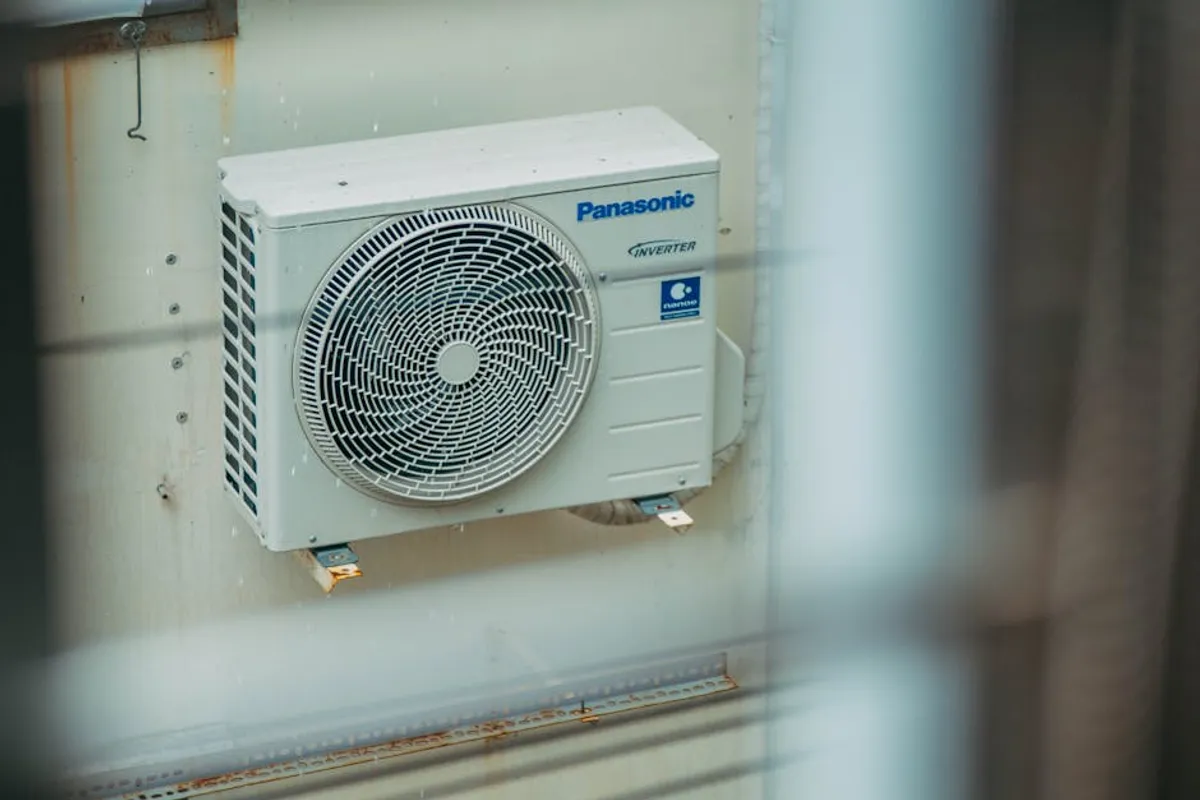
Air-source heat pumps are the most common variant, extracting heat from the outdoor air in winter and expelling heat to the outdoor air in summer. They are versatile and generally easier to install than ground-source systems because they don't require extensive excavation. Performance in colder climates has improved significantly with advancements like variable-speed compressors and cold-climate models, which can operate effectively well below freezing temperatures. Their efficiency is typically measured by their Seasonal Energy Efficiency Ratio (SEER) for cooling and Heating Seasonal Performance Factor (HSPF) for heating, with higher numbers indicating better performance.
Ground-Source (Geothermal) Heat Pumps
Ground-source heat pumps leverage the stable temperatures found beneath the earth's surface. A network of underground pipes circulates a fluid that absorbs or dissipates heat. This stability provides consistent performance regardless of extreme ambient air temperatures, making them highly efficient year-round. While the initial installation cost is higher due to the need for drilling or trenching for the ground loops, the operational savings are often substantial, and the systems typically have a longer lifespan than air-source units. The Coefficient of Performance (COP) is a key metric for geothermal systems, indicating the ratio of heating or cooling provided to the electrical energy consumed.
Water-Source Heat Pumps
Less common for residential use, water-source heat pumps utilize a nearby body of water (like a pond, lake, or well) as their heat exchange medium. Similar to ground-source systems, they benefit from the relatively stable temperature of water. These systems are highly efficient where a suitable water source is readily available and permissible for use, but they require careful consideration of water quality, flow rates, and environmental regulations.
Maximizing Efficiency and Savings
The primary commercial advantage of heat pumps lies in their operational efficiency, which translates directly into lower energy bills. Achieving these savings requires attention to several factors beyond the unit's rated efficiency.
- Proper Sizing: An undersized unit will struggle to maintain desired temperatures, running constantly and inefficiently. An oversized unit will cycle on and off too frequently (short-cycling), leading to reduced dehumidification, uneven temperatures, and premature wear. Professional load calculations are essential.
- Building Envelope Improvements: Heat pumps are most effective in well-insulated homes or commercial buildings. Addressing air leaks, upgrading windows, and enhancing insulation reduce the heating and cooling load, allowing the heat pump to operate more efficiently and potentially enabling a smaller, less expensive unit.
- Zoning Systems: For larger properties or those with varying temperature requirements, zoning allows for independent temperature control in different areas. This prevents heating or cooling unoccupied spaces, leading to significant energy savings.
- Smart Thermostats: Programmable or smart thermostats optimize heat pump operation by learning occupancy patterns and adjusting temperatures accordingly. Many can be controlled remotely, allowing for proactive energy management.
Pro Tip: When evaluating potential heat pump installations, always request a detailed energy audit of the property. This will identify specific areas of heat loss or gain, providing a clear roadmap for necessary insulation or sealing improvements that will directly impact the heat pump's long-term efficiency and your return on investment.
Installation Planning and Execution
Successful heat pump integration depends heavily on meticulous planning and professional installation. This is not a DIY project for most property owners.
Site Assessment and Ductwork
A thorough site assessment by a qualified HVAC professional is non-negotiable. This includes evaluating existing ductwork for air-source systems. Old, leaky, or improperly sized ducts can negate much of a heat pump's efficiency. Duct sealing or replacement may be necessary. For ground-source systems, the assessment will determine the feasibility and best configuration for ground loops (vertical vs. horizontal, open vs. closed loop).
Refrigerant Handling and Electrical Requirements
Heat pump installation involves handling refrigerants, which requires specific certifications and adherence to environmental regulations. Furthermore, heat pumps often have different electrical requirements than traditional systems, potentially necessitating electrical panel upgrades or dedicated circuits. These are critical safety and operational considerations that demand professional expertise.
Ongoing Maintenance for Longevity
Regular maintenance is key to ensuring a heat pump operates at peak efficiency and achieves its expected lifespan.
- Filter Replacement: Air filters should be checked monthly and replaced every 1-3 months, depending on usage and household conditions (e.g., pets, allergies). A clogged filter restricts airflow, forcing the unit to work harder and reducing efficiency.
- Coil Cleaning: The outdoor coil (and indoor coil for air-source units) can accumulate dirt and debris, impeding heat transfer. Professional cleaning once a year helps maintain efficiency.
- Clear Outdoor Unit: Ensure the outdoor unit is free from obstructions like leaves, snow, or overgrown vegetation. Maintain at least two feet of clear space around the unit for optimal airflow.
- Refrigerant Level Check: An annual professional check of refrigerant levels is important. Low refrigerant can indicate a leak and significantly reduce efficiency and system performance.
- Drain Pan and Condensate Line: Regularly inspect and clean the condensate drain pan and line to prevent blockages, which can lead to water damage and mold growth.
Addressing Common Concerns
While highly efficient, heat pumps can present specific considerations that users should be aware of.
Cold Climate Performance
Older heat pump models struggled in very cold temperatures, relying heavily on auxiliary electric resistance heat, which is less efficient. Modern cold-climate heat pumps, often equipped with inverter-driven compressors, maintain significant heating capacity even at sub-zero Fahrenheit temperatures, reducing reliance on auxiliary heat. However, in extreme cold, some auxiliary heat may still be necessary, so understanding the system's balance point (the outdoor temperature at which the heat pump can no longer meet the heating load alone) is important.
Noise Levels
Air-source heat pumps, particularly older or lower-end models, can produce noticeable noise from the outdoor fan and compressor. Modern units often feature advanced fan blade designs, sound-dampening materials, and variable-speed compressors that operate much more quietly. Specifications will typically list noise levels in decibels (dB).
Initial Cost and Incentives
The upfront cost of a heat pump system can be higher than traditional HVAC systems, especially for ground-source installations. However, various federal, state, and local incentives, rebates, and tax credits are often available to offset these costs, significantly improving the return on investment. Researching these programs before purchase is crucial.
Strategic Implementation
For businesses and property managers, integrating heat pump technology offers opportunities beyond simple energy savings. It aligns with sustainability goals, enhances property value, and can contribute to a positive brand image through reduced carbon footprint. Consider heat pumps as part of a broader energy management strategy, potentially paired with solar PV systems for even greater energy independence and cost control. The long-term operational savings and reduced maintenance compared to fossil fuel systems provide a predictable cost structure, which is valuable for financial planning.
Frequently Asked Questions
How long do heat pumps typically last?
Air-source heat pumps typically last 15-20 years, while ground-source (geothermal) systems can last 20-25 years for the indoor components and 50+ years for the underground loop field.
Can a heat pump completely replace a furnace?
Yes, modern cold-climate heat pumps are designed to provide 100% of a home's heating and cooling needs. In very cold regions, they may still be paired with a small auxiliary heat source (often electric resistance coils or a small furnace) for extreme conditions, but they handle the vast majority of the load.
Are heat pumps environmentally friendly?
Heat pumps are considered highly environmentally friendly because they transfer heat rather than generate it by burning fossil fuels. This significantly reduces greenhouse gas emissions, especially when the electricity powering them comes from renewable sources.
Do heat pumps work in very cold climates?
Yes, contemporary cold-climate air-source heat pumps are specifically engineered to operate efficiently in temperatures well below 0°F (-18°C), providing effective heating without relying heavily on supplemental resistance heat.