Heat pumps represent a significant investment in home comfort and energy efficiency, offering both heating and cooling from a single system. Their appeal stems from the potential for substantial long-term savings and reduced carbon footprint. However, realizing these benefits hinges on avoiding common, yet critical, mistakes during selection, installation, and ongoing maintenance. A poorly chosen or installed heat pump can lead to inflated energy bills, inconsistent indoor temperatures, premature equipment failure, and ultimately, buyer's remorse. Understanding these pitfalls upfront is essential to ensure the system performs as expected, delivering the promised comfort and economic advantages. Understanding these pitfalls upfront is essential for anyone considering a heat pump, so a complete overview of heat pumps can be very helpful.
The Criticality of Correct Heat Pump Sizing
One of the most frequent and impactful errors in heat pump installation is incorrect sizing. A system that is either too large or too small for the space it serves will inevitably operate inefficiently, leading to discomfort and increased energy consumption.
Oversizing: Wasted Energy and Short Cycling
An oversized heat pump has a higher BTU capacity than necessary for the building's heating and cooling loads. While it might seem logical to opt for more power, an oversized unit cycles on and off too frequently, a phenomenon known as "short cycling." This prevents the system from running long enough to properly dehumidify the air during cooling cycles, leading to clammy indoor conditions even when the temperature is met. Short cycling also places undue stress on the compressor, accelerating wear and tear, reducing the unit's lifespan, and consuming more energy due to frequent startups.
Undersizing: Inadequate Comfort and Overwork
Conversely, an undersized heat pump struggles to meet the heating or cooling demands of the space, especially during extreme weather. It will run continuously in an attempt to reach the thermostat setting, leading to consistently higher energy bills without achieving desired comfort levels. This constant operation also subjects components to excessive strain, increasing the likelihood of breakdowns and requiring earlier replacement than a properly sized unit.
Installation: More Than Just Plugging It In
Even the most advanced heat pump will underperform if not installed correctly. Installation quality directly impacts efficiency, longevity, and operational noise.
Improper Refrigerant Charge and Airflow
The refrigerant charge is the precise amount of coolant required for the system to operate at peak efficiency. An incorrect charge—either too high or too low—significantly reduces the heat pump's ability to transfer heat, leading to higher energy consumption and reduced comfort. Similarly, restricted or unbalanced airflow, often caused by improperly sized or leaky ductwork, forces the system to work harder, increasing energy use and decreasing performance. This can also lead to uneven heating or cooling across different rooms.
Suboptimal Placement of Units
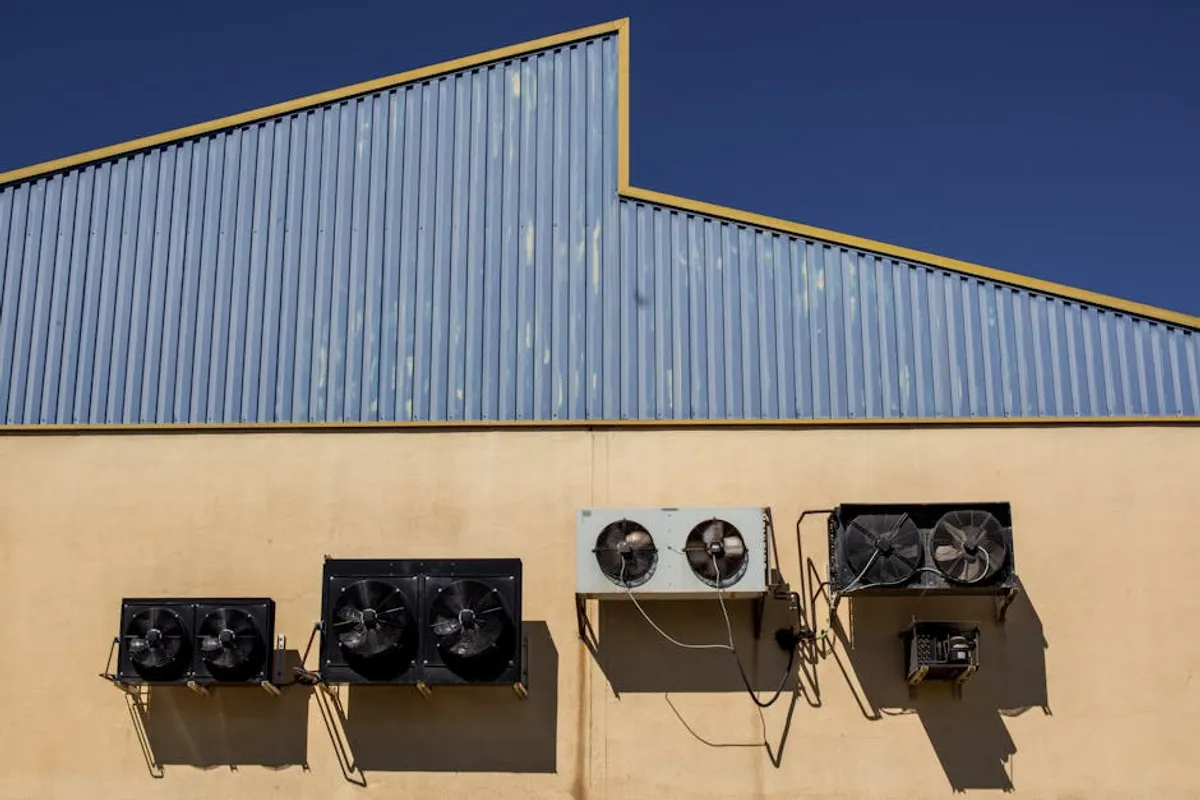
The location of both the indoor and outdoor units matters. The outdoor unit needs adequate clearance for proper airflow; placing it too close to walls, shrubs, or in direct, prolonged sunlight can impede its operation. Indoor units, whether ducted or ductless, require strategic placement to ensure even air distribution and avoid direct drafts on occupants, which can create discomfort and lead to thermostat adjustments that waste energy.
Climate and Building Envelope Considerations
Heat pump performance is inherently linked to external temperatures and the building's ability to retain conditioned air.
Matching Heat Pump Type to Regional Temperatures
Not all heat pumps are designed for all climates. Traditional air-source heat pumps can struggle in extremely cold temperatures, where their efficiency drops significantly. Modern "cold climate" heat pumps are engineered to operate effectively at much lower temperatures, often down to -15°F (-26°C) or lower, maintaining high efficiency without relying heavily on auxiliary electric resistance heat. Failing to select a heat pump suitable for the local climate will result in high energy bills and insufficient heating during peak cold periods. Failing to select a heat pump suitable for the local climate will result in high energy bills and insufficient heating during peak cold periods, making comparing different heat pump models vital.
The Impact of Poor Insulation and Leaky Ducts
A heat pump's efficiency is only as good as the building envelope it serves. Poor insulation in walls, attics, and windows allows conditioned air to escape, forcing the heat pump to work harder and longer. Similarly, leaky ductwork can lose 20-30% of the air moving through it before it reaches living spaces. Addressing these issues before or concurrently with heat pump installation is crucial for maximizing energy savings and comfort. Without a well-sealed and insulated home, even a perfectly installed heat pump will underperform.
Selecting the Right Heat Pump Technology
The market offers various heat pump technologies, each suited to different applications and budgets. Choosing the wrong type can negate potential benefits.
Air-Source vs. Geothermal vs. Mini-Split
- Air-Source Heat Pumps: Most common, cost-effective upfront. Best for moderate climates or homes with sufficient ductwork. Can struggle in extreme cold without supplemental heat.
- Geothermal Heat Pumps: Highest efficiency and lowest operating costs, as they exchange heat with the stable underground temperature. Highest upfront installation cost. Ideal for long-term savings and consistent performance in any climate.
- Ductless Mini-Split Heat Pumps: Excellent for zoning, additions, or homes without existing ductwork. Highly efficient for individual rooms or zones. Can be more expensive per ton of capacity than central air-source systems if many indoor units are needed.
The decision should factor in initial investment, long-term operating costs, existing infrastructure, and specific heating/cooling needs.
Overlooking Ongoing Maintenance and Monitoring
A heat pump is a mechanical system that requires regular attention to maintain its efficiency and extend its operational life.
Regular Filter Changes and Coil Cleaning
Dirty air filters restrict airflow, forcing the fan motor to work harder and reducing efficiency. They also allow dust and debris to accumulate on the indoor coil, forming an insulating layer that hinders heat transfer. Similarly, the outdoor coil can become clogged with dirt, leaves, and other debris, impairing its ability to absorb or release heat. Regular cleaning and filter replacement are straightforward tasks that significantly impact performance and prevent costly repairs.
Pro Tip: Schedule annual professional inspections for your heat pump system. Technicians can identify and address issues like refrigerant leaks, electrical problems, and worn components before they escalate into major failures, ensuring optimal efficiency and extending the unit's lifespan.
Financial Pitfalls: Incentives and Operating Costs
Many homeowners overlook financial aspects beyond the initial purchase price, missing opportunities for savings or underestimating ongoing expenses.
Missing Out on Available Rebates
Federal, state, and local governments, as well as utility companies, frequently offer rebates, tax credits, and incentives for installing energy-efficient heat pumps. Failing to research and apply for these programs can mean leaving significant savings on the table, increasing the net cost of the installation. Eligibility often depends on the heat pump's efficiency ratings (SEER2, HSPF2, EER2) and installer certifications.
Underestimating Electricity Consumption
While heat pumps are highly efficient, they still consume electricity. Operating costs can be higher than anticipated if the system is improperly sized, poorly installed, or used in an unsuitable climate without proper supplemental heating strategies. Understanding local electricity rates and how they fluctuate seasonally is crucial for accurately projecting operational expenses.
Maximizing Your Heat Pump Investment
Avoiding these common mistakes ensures your heat pump delivers on its promise of efficient, comfortable heating and cooling. Proper sizing, professional installation, consideration of your home’s specific needs and climate, regular maintenance, and leveraging available financial incentives are all interdependent factors. A holistic approach, starting with thorough research and consultation with qualified HVAC professionals, will lead to a system that provides reliable performance and significant energy savings for years to come.
Frequently Asked Questions
How often should I have my heat pump professionally serviced?
Annual professional servicing is recommended to ensure optimal performance, identify potential issues early, and maintain efficiency. This typically involves checking refrigerant levels, cleaning coils, inspecting electrical components, and verifying proper airflow.
Can I install a heat pump myself to save money?
Heat pump installation is a complex process that requires specialized knowledge of HVAC systems, electrical wiring, and refrigerant handling. Improper installation can void warranties, lead to inefficient operation, and pose safety risks. It is strongly recommended to hire a certified HVAC professional.
Do heat pumps work in very cold climates?
Modern "cold climate" heat pumps are specifically designed to operate efficiently in temperatures well below freezing, often down to -15°F (-26°C) or lower, providing effective heating without relying heavily on auxiliary heat. Older or standard models may struggle at these extremes.
How do I know if my heat pump is correctly sized for my home?
A qualified HVAC technician performs a "load calculation" (e.g., ACCA Manual J) that considers your home's square footage, insulation levels, window types, local climate, and other factors. This calculation determines the precise heating and cooling capacity required, ensuring proper sizing.