Selecting a heat pump involves more than just picking a model; it requires a systematic evaluation of your property's specific demands, regional climate, and long-term financial goals. This checklist provides a structured approach to navigate the complexities of heat pump systems, ensuring your investment delivers consistent comfort and energy efficiency. Understanding these critical factors upfront prevents common pitfalls and optimizes system performance from day one. To ensure you make the best choice, consult a heat pump comparison guide that details the pros and cons of each type.
Key Considerations Before You Start
Understanding Your Home's Needs
Before evaluating any specific heat pump model, assess your property's existing heating and cooling infrastructure and insulation levels. A comprehensive energy audit can identify thermal weaknesses, such as drafty windows or insufficient attic insulation, which directly impact a heat pump's required capacity and operating efficiency. Properties with poor insulation will require a larger, more expensive unit to maintain desired temperatures, leading to higher operational costs. Consider the square footage of conditioned space, ceiling heights, and the number of occupants. These factors collectively determine the heating and cooling load your system must manage.
Energy Efficiency Goals
Define your primary objective: minimizing monthly utility bills, reducing your carbon footprint, or a balance of both. Heat pump efficiency is measured by its Seasonal Energy Efficiency Ratio (SEER) for cooling and Heating Seasonal Performance Factor (HSPF) for heating. Higher SEER and HSPF ratings indicate greater energy efficiency, translating to lower operating costs over the system's lifespan. However, units with higher ratings typically carry a higher upfront cost. Evaluate the payback period for a more efficient unit against your budget. For colder climates, consider units specifically designed for low-ambient temperature performance, often designated with cold climate ratings, to ensure effective heating without relying heavily on auxiliary resistance heat.
Selecting the Right Heat Pump Type
Air-Source Heat Pumps
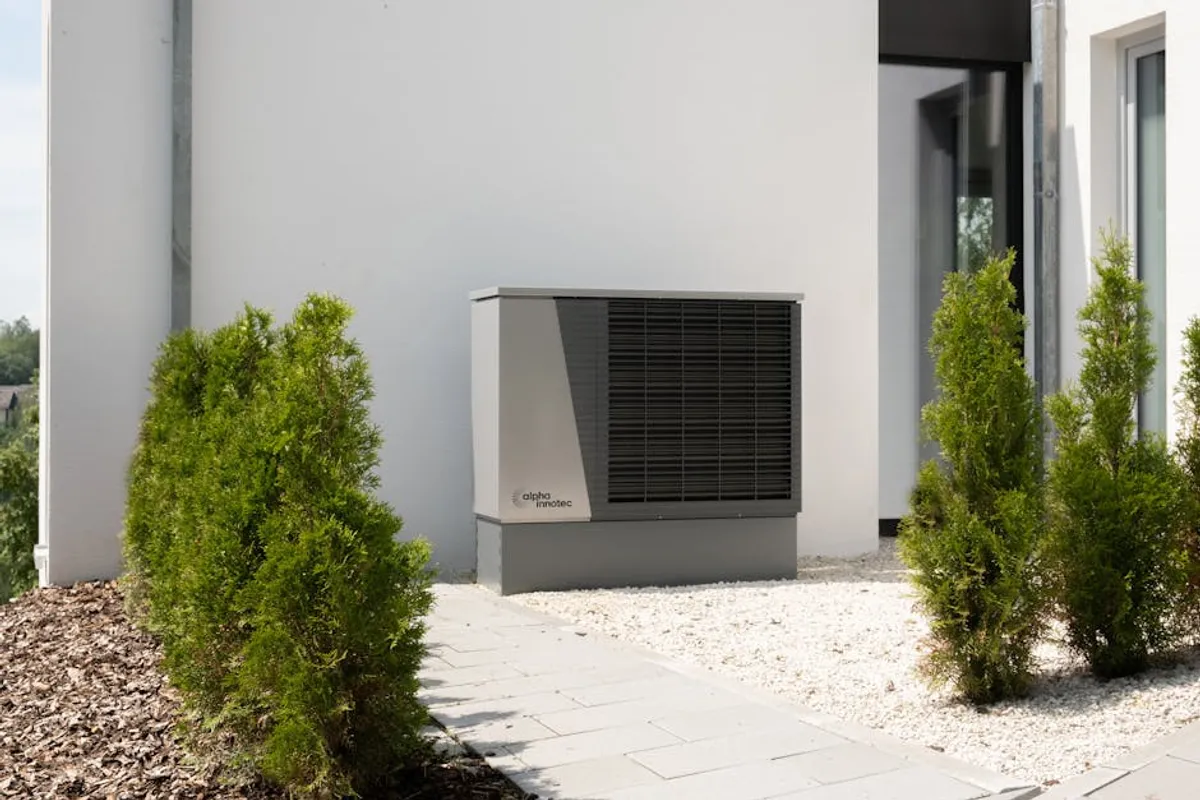
Air-source heat pumps (ASHPs) are the most common type, transferring heat between your home and the outside air. They are versatile and cost-effective for many climates.
- Standard ASHPs: Efficient in moderate climates, but their efficiency can drop significantly below freezing, often requiring supplemental heating.
- Cold-Climate ASHPs: Engineered with enhanced compressors and refrigerants to maintain higher efficiency and heating capacity at temperatures well below 0°F (-18°C).
Best for: Most residential applications in diverse climates, particularly cold-climate variants for regions with harsh winters.
Geothermal Heat Pumps
Geothermal heat pumps (GHPs) utilize the stable underground temperature to exchange heat, offering superior efficiency and lower operating costs compared to ASHPs. While the upfront installation cost, primarily for ground loop excavation, is significantly higher, GHPs provide consistent performance regardless of outdoor air temperature fluctuations. Their lifespan also tends to be longer, often exceeding 20-25 years for the indoor unit and 50+ years for the ground loop.
Best for: Homeowners prioritizing long-term energy savings, environmental impact, and consistent performance, with a budget for higher initial investment.
Other Types
Ductless mini-split heat pumps are ideal for zoned heating and cooling, additions, or homes without existing ductwork. They offer flexibility by allowing individual room temperature control, reducing energy waste in unoccupied areas. Hybrid heat pumps combine an electric air-source heat pump with a gas furnace, automatically switching between the two based on outdoor temperatures to optimize efficiency and cost.
Best for: Zoned comfort, room additions, or supplementing existing systems.
Installation and Sizing Essentials
Proper Sizing
Undersized heat pumps struggle to maintain desired temperatures, running constantly and leading to premature wear. Oversized units cycle on and off too frequently (short-cycling), which wastes energy, reduces dehumidification, and shortens equipment life. Accurate sizing requires a professional load calculation (e.g., Manual J) that considers your home's insulation, windows, climate zone, and air leakage. Do not rely on square footage alone.
Pro Tip: Always obtain multiple bids for installation, ensuring each contractor provides a detailed load calculation and explains their sizing methodology. A reputable installer will prioritize proper sizing over simply quoting the cheapest unit.
Installer Qualifications
The quality of installation directly impacts a heat pump's efficiency and longevity. Verify that your chosen contractor is licensed, insured, and specifically experienced with heat pump systems. Look for certifications from industry organizations like NATE (North American Technician Excellence) or specific manufacturer training. Request references and review past project examples. A poorly installed system, even a high-efficiency one, will underperform and lead to costly repairs.
Financial and Long-Term Factors
Incentives and Rebates
Research available federal, state, local, and utility company incentives. Many governments and energy providers offer tax credits, rebates, or low-interest loans for installing high-efficiency heat pumps, particularly geothermal systems. These incentives can significantly offset the initial purchase and installation costs. Check eligibility requirements, application deadlines, and specific product qualifications before making a purchase decision.
Operating Costs and Maintenance
While heat pumps generally have lower operating costs than traditional heating systems, actual savings depend on electricity rates and system efficiency. Factor in annual maintenance requirements, which typically include filter changes, coil cleaning, and refrigerant checks. Regular professional maintenance ensures the system runs at peak efficiency, prevents breakdowns, and extends its operational life. Inquire about warranty terms for both parts and labor, and understand what routine maintenance is required to keep the warranty valid.
Making an Informed Decision
A heat pump is a significant investment in your home's comfort and energy future. By systematically addressing each point on this checklist—from understanding your property's unique needs to verifying installer credentials and exploring financial incentives—you position yourself to select a system that not only meets your immediate requirements but also delivers reliable, efficient performance for years to come. Prioritize comprehensive assessment and professional expertise over quick, superficial solutions to maximize your return on investment.
Frequently Asked Questions
What is the typical lifespan of a heat pump?
Air-source heat pumps generally last 15-20 years, while geothermal systems, particularly their ground loops, can last 50 years or more, with indoor components typically lasting 20-25 years.
Do heat pumps work well in very cold climates?
Modern cold-climate air-source heat pumps are designed to operate efficiently down to -15°F (-26°C) or even lower, significantly reducing reliance on supplemental heating. Geothermal heat pumps are unaffected by ambient air temperatures.
How much can a heat pump save on energy bills?
Savings vary widely based on your previous heating system, electricity rates, climate, and the heat pump's efficiency. Many homeowners report 30-50% savings compared to electric resistance heating, and often 20-30% compared to natural gas, depending on local fuel costs.
Is a heat pump noisy?
Modern heat pumps, especially inverter-driven models, operate quietly. Outdoor units typically produce sound levels comparable to a refrigerator, while indoor units are similar to a central air conditioner's fan. Geothermal systems are virtually silent as their main components are often indoors or underground.