Businesses and individuals often approach energy efficiency with good intentions, yet common pitfalls undermine their efforts, leading to wasted investment and persistent high utility bills. The pursuit of lower energy consumption isn't merely an environmental initiative; it's a direct route to reduced operational costs, enhanced asset value, and improved financial performance. Understanding and actively avoiding prevalent energy efficiency mistakes is critical for anyone looking to achieve tangible, sustainable savings. This requires moving beyond superficial fixes and addressing systemic issues, from initial assessment oversights to human behavioral patterns that inadvertently drive up consumption.
Overlooking the Obvious: Basic Audit Failures
Many energy efficiency initiatives falter before they even begin due to fundamental errors in the initial assessment phase. Without a clear, data-driven understanding of current energy usage and waste points, any subsequent actions are based on assumptions, not facts.
Skipping Professional Energy Assessments
Relying solely on in-house observations or basic utility bill analysis often provides an incomplete picture of energy consumption patterns. Professional energy assessments, conducted by certified auditors, utilize specialized equipment and methodologies to identify hidden inefficiencies in building envelopes, HVAC systems, lighting, and industrial processes. These audits quantify energy losses, prioritize potential improvements based on ROI, and provide a detailed roadmap. Without this expert analysis, efforts may be misdirected towards low-impact areas while significant waste continues unchecked. For example, a business might upgrade to LED lighting but overlook a faulty boiler system that accounts for a much larger portion of its energy expenditure.
Ignoring Baseline Data and Performance Metrics
Implementing energy-saving measures without establishing a clear baseline of historical energy consumption makes it impossible to accurately measure the impact of those changes. Without pre-improvement data, it becomes difficult to justify investments or track actual savings. Effective energy management requires consistent monitoring and comparison against a benchmark. This involves collecting data on kilowatt-hours (kWh) consumed, fuel usage, and operational hours before and after interventions. Companies that neglect this step often find themselves unable to demonstrate the financial benefits of their efficiency projects, hindering future investment in similar initiatives.
Mismanaging Energy Consumption
Beyond initial assessments, day-to-day operational practices and overlooked physical deficiencies contribute significantly to energy waste. These are often areas where behavioral changes and routine maintenance can yield substantial returns.
Inefficient HVAC Operation and Neglected Maintenance
Heating, ventilation, and air conditioning (HVAC) systems are typically the largest energy consumers in commercial and residential buildings. A common mistake is improper thermostat programming, leading to heating or cooling unoccupied spaces or operating outside optimal temperature ranges. Equally detrimental is neglecting routine maintenance, such as changing air filters, cleaning coils, and inspecting ducts. Clogged filters restrict airflow, forcing systems to work harder and consume more energy. Uncalibrated thermostats or leaky ductwork can reduce system efficiency by 15-30%, directly translating into higher utility costs without any corresponding comfort or air quality benefit.
Underestimating Phantom Load
Phantom load, also known as standby power, refers to the electricity consumed by electronic devices when they are switched off but still plugged in. This includes computers, chargers, televisions, and office equipment. Individually, these draw small amounts of power, but collectively, they can account for 5-10% of a building's total electricity consumption. Businesses often overlook this cumulative drain, failing to implement strategies like smart power strips or encouraging employees to unplug devices at the end of the day. This constant, low-level energy draw represents a continuous, preventable cost.
Neglecting Building Envelope Issues
The building envelope—walls, roof, windows, and foundation—acts as the primary barrier against external temperatures. Mistakes here include inadequate insulation, unsealed air leaks, and inefficient windows. Drafts around windows and doors, gaps in exterior walls, or insufficient attic insulation allow conditioned air to escape and unconditioned air to enter, forcing HVAC systems to run longer and harder. Addressing these issues through weatherstripping, caulking, and insulation upgrades can significantly reduce heating and cooling loads, often with a quick payback period. Ignoring these foundational elements makes any HVAC efficiency upgrade less effective.
Flawed Technology Adoption
While technology offers powerful solutions for energy efficiency, mistakes often arise from misapplication or a lack of integrated planning.
Investing in Unsuitable "Green" Technology
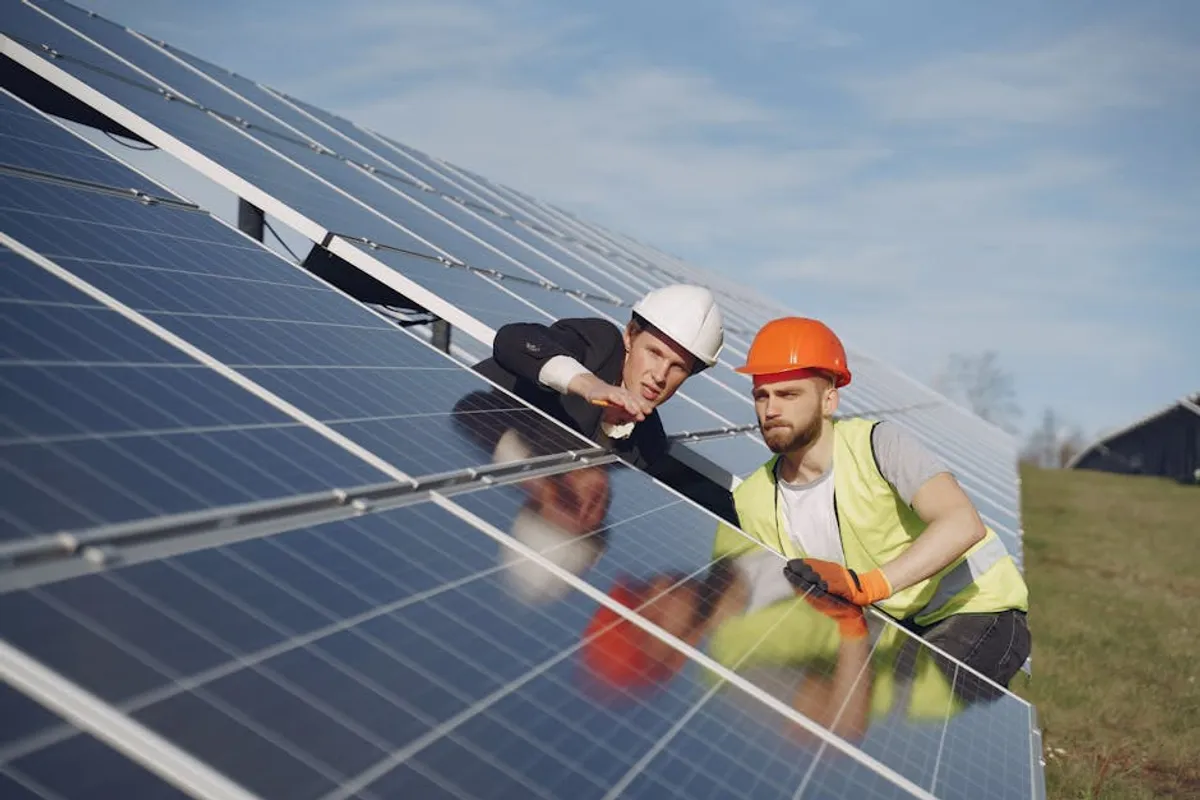
The market for energy-efficient technologies is vast, from solar panels and geothermal systems to advanced building management systems. A common mistake is adopting a "green" technology without thoroughly assessing its suitability for the specific application, climate, or operational needs. For instance, installing solar panels on a shaded roof or a building with low energy demand might not yield the expected ROI. Similarly, investing in complex smart systems without the internal expertise to manage them can lead to underutilization. Proper due diligence, including cost-benefit analysis and expert consultation, is crucial to ensure technology investments align with actual energy reduction goals and operational realities.
Failing to Integrate Smart Systems
Many organizations implement energy-saving technologies in isolation, missing the synergistic benefits of an integrated system. For example, installing smart lighting that dims based on occupancy is beneficial, but integrating it with the HVAC system and window shades can optimize overall building performance. A building management system (BMS) that centralizes control and data from various subsystems (lighting, HVAC, security, power monitoring) allows for more sophisticated optimization strategies. Without this integration, individual systems operate independently, potentially working against each other and limiting overall efficiency gains. This fragmented approach often results in missed opportunities for significant, holistic energy savings.
Pro Tip: Before investing in any new energy-efficient technology, conduct a pilot program or detailed simulation. This allows for real-world testing of performance and integration capabilities without committing to a full-scale, potentially costly, deployment that may not deliver expected results in your specific operational context.
Human Behavior and Engagement Gaps
Technology and infrastructure are only part of the equation; human actions and organizational culture play a critical role in sustained energy efficiency.
Lack of Employee Training and Awareness
Even the most advanced energy-efficient systems can be undermined by user behavior. Employees who are unaware of energy-saving protocols, such as turning off lights in unoccupied rooms, adjusting thermostats unnecessarily, or leaving equipment on overnight, can negate technological improvements. A lack of training on how to properly use new energy-efficient equipment or understanding the impact of their daily actions leads to behavioral waste. Implementing regular awareness campaigns, providing clear guidelines, and offering incentives for energy-saving practices can foster a culture of efficiency.
Inconsistent Monitoring and Feedback
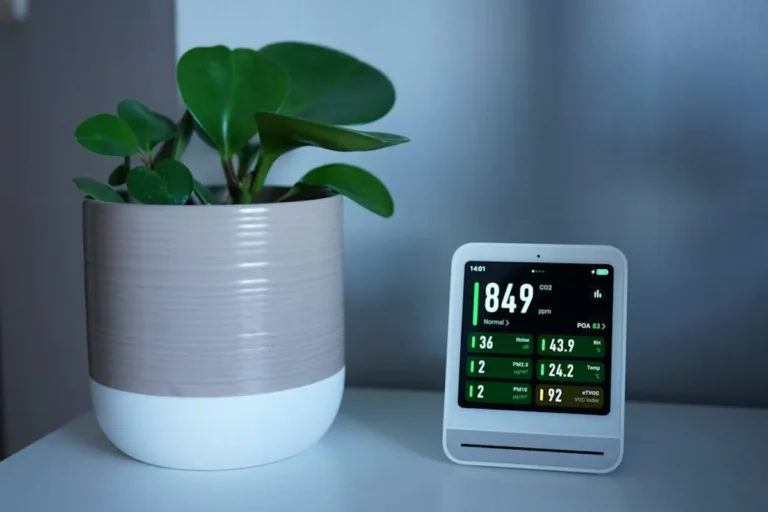
Energy efficiency is not a one-time project; it requires continuous vigilance. A common mistake is to implement measures, see initial savings, and then cease monitoring. Without ongoing tracking of energy consumption and feedback mechanisms, inefficiencies can slowly creep back in. Regular energy audits, sub-metering critical equipment, and providing consumption data to relevant departments or individuals create accountability and allow for timely adjustments. This continuous loop of monitoring, analysis, and feedback ensures that efficiency gains are sustained and new opportunities for savings are identified.
Practical Steps for Sustained Efficiency
Achieving and maintaining energy efficiency requires a structured, ongoing commitment. Focus on these actionable steps:
- Conduct Regular Energy Audits: Schedule professional energy assessments every 3-5 years, and conduct internal walk-throughs quarterly to identify immediate issues.
- Establish a Baseline and Monitor Continuously: Install smart meters and sub-meters to track energy usage at granular levels. Use this data to set benchmarks and measure progress.
- Prioritize HVAC Maintenance: Implement a strict preventative maintenance schedule for all heating and cooling systems, including filter changes, coil cleaning, and system checks.
- Address Building Envelope Deficiencies: Seal air leaks around windows and doors, improve insulation in attics and walls, and consider energy-efficient window upgrades.
- Implement Smart Power Management: Utilize smart power strips for office equipment and educate staff on unplugging devices to reduce phantom load.
- Educate and Engage Stakeholders: Develop an internal energy awareness program for employees, providing clear guidelines and encouraging participation.
- Integrate Systems Where Possible: Explore opportunities to connect disparate energy-efficient technologies (e.g., lighting with HVAC) through a central building management system for holistic optimization.
Frequently Asked Questions
What's the first step for a business looking to improve energy efficiency?
The initial step should always be a comprehensive professional energy audit. This provides a data-driven baseline of current consumption, identifies major areas of waste, and prioritizes potential improvements based on cost-effectiveness and ROI, preventing misdirected efforts.
How often should energy systems be audited?
While a full professional energy audit is recommended every 3-5 years, internal energy walk-throughs and reviews of consumption data should occur quarterly. This helps identify new issues, track the effectiveness of implemented measures, and adapt to operational changes.
Can small changes really make a significant difference in energy consumption?
Yes, cumulative small changes, such as addressing phantom loads, optimizing thermostat settings, and consistent employee engagement, can collectively lead to substantial savings. These often require minimal investment but yield continuous returns over time.
What's the role of employee engagement in energy efficiency?
Employee engagement is crucial because human behavior directly impacts energy use. Well-informed and motivated employees who understand energy-saving protocols and the financial benefits of efficiency can reinforce technological solutions and prevent behavioral waste, contributing significantly to overall savings.