For any property owner or business manager, understanding and implementing energy efficiency measures is not merely an environmental consideration; it is a direct operational cost reduction strategy. The decision to invest in energy efficiency hinges on identifying where current energy is consumed, assessing the return on investment for potential upgrades, and recognizing the long-term financial and operational benefits. This guide outlines the foundational steps to begin that process, focusing on practical applications for tangible results.
Understanding Energy Consumption
Before any improvements can be made, a clear picture of current energy usage is essential. This involves more than just looking at a utility bill total; it requires disaggregating consumption by source and identifying peak usage times. The goal is to pinpoint the largest energy draws and inefficiencies that, when addressed, will yield the most significant savings.
Identifying Your Energy Footprint
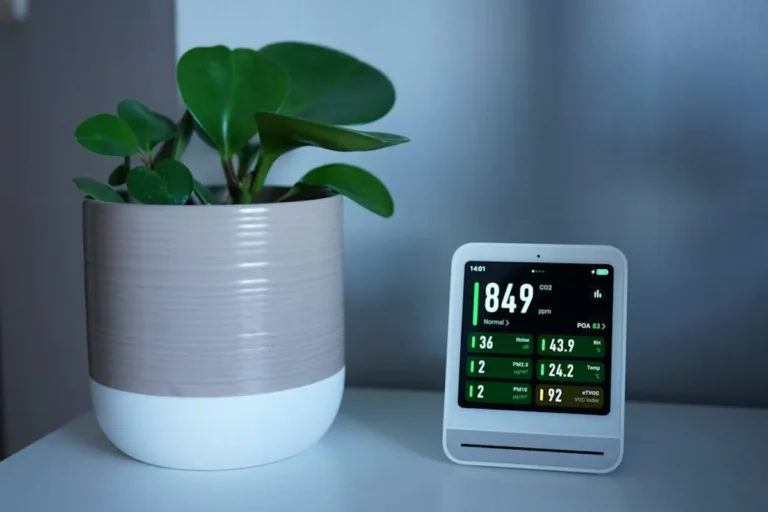
Start by collecting historical utility data, typically 12-24 months of electricity, gas, and water bills. This historical data reveals seasonal trends and baseline consumption. Next, conduct a walk-through audit of the property. This informal audit helps identify obvious issues such as drafty windows, constantly running equipment, or excessive lighting in unoccupied areas. For a more detailed understanding, consider using energy monitoring devices that can track consumption by individual circuits or appliances. Some utility providers offer online dashboards that break down usage by hour or day, providing granular insights into operational patterns.
Key Areas for Efficiency Improvements
Energy consumption typically concentrates in a few primary areas within any building. Focusing initial efforts on these high-impact zones can accelerate cost savings and demonstrate the value of further investment.
Building Envelope Optimization
The building envelope – walls, roof, windows, and doors – acts as the primary barrier between conditioned indoor spaces and external conditions. Heat transfer through a poorly insulated or sealed envelope accounts for a significant portion of energy waste.
- Insulation: Assess attic, wall, and floor insulation levels. Upgrading to modern standards (e.g., R-value recommendations for your climate zone) can drastically reduce heating and cooling loads.
- Windows and Doors: Single-pane windows and old, unsealed doors are major sources of heat loss in winter and heat gain in summer. Replacing them with double- or triple-pane, low-emissivity (Low-E) windows and energy-efficient doors can cut thermal transfer. Sealing gaps around existing windows and doors with caulk and weatherstripping offers a lower-cost, immediate improvement.
- Air Sealing: Beyond windows and doors, small cracks and gaps in the building structure (e.g., around electrical outlets, plumbing penetrations, and attic hatches) contribute to air leakage. Professional air sealing can significantly reduce uncontrolled airflow.
HVAC System Management
Heating, Ventilation, and Air Conditioning (HVAC) systems are often the largest energy consumers in commercial and residential properties. Optimizing their operation is critical for efficiency. Regularly maintaining these systems is critical for maximizing their efficiency and lifespan.
Best for: Reducing the largest single energy expense.
- Regular Maintenance: Annual professional tune-ups ensure systems operate at peak efficiency. This includes cleaning coils, checking refrigerant levels, and calibrating thermostats.
- Thermostat Programming: Smart or programmable thermostats allow for temperature setbacks during unoccupied hours or when comfort demands are lower, preventing unnecessary heating or cooling.
- Ductwork Sealing: Leaky ducts can lose 20-30% of the air moving through them. Sealing and insulating ducts, especially those in unconditioned spaces like attics or crawl spaces, improves system performance.
- System Sizing: An oversized HVAC unit cycles on and off frequently, wasting energy and reducing its lifespan. Proper sizing ensures efficient operation.
Appliance and Lighting Upgrades
Older appliances and conventional lighting technologies are often inefficient compared to modern alternatives.
Best for: Quick upgrades with measurable impact.
- Lighting: Replacing incandescent or fluorescent bulbs with LED lighting offers immediate and substantial energy savings (often 75-90% less energy for the same light output) and longer lifespans, reducing maintenance costs. Implement occupancy sensors in low-traffic areas.
- Appliances: When replacing refrigerators, dishwashers, washing machines, or other equipment, prioritize models with high energy efficiency ratings. These appliances are designed to perform the same functions using significantly less power.
Water Heating Strategies
Heating water is a substantial energy demand for many properties.
- Lowering Thermostat Settings: Reducing the water heater thermostat to 120°F (49°C) from a higher default saves energy without compromising comfort for most uses.
- Insulating Water Heaters and Pipes: Adding an insulation blanket to older water heaters and insulating hot water pipes reduces standby heat loss.
- Demand Water Heaters: Tankless or on-demand water heaters only heat water as needed, eliminating standby losses associated with traditional storage tank heaters.
Behavioral Changes and Smart Technology
While equipment upgrades are crucial, daily habits and integrated technologies also play a significant role in overall energy efficiency. Further gains can be achieved by integrating smart thermostats to automate temperature control.
Daily Habits for Reduced Waste
Simple, consistent actions by occupants can collectively lead to considerable energy savings.
- Turning off lights and equipment when not in use.
- Unplugging "vampire load" electronics that draw power even when turned off.
- Opening blinds and curtains during the day to maximize natural light and passive solar heating in winter.
- Closing blinds and curtains in summer to block solar heat gain.
- Using natural ventilation when outdoor temperatures are favorable.
Integrating Smart Home Devices
Smart technology provides automation and granular control over energy-consuming systems.
Best for: Automated savings and remote management.
- Smart Thermostats: Learn occupancy patterns and adjust temperatures automatically.
- Smart Lighting: Control lights remotely, schedule on/off times, and integrate with occupancy sensors.
- Smart Plugs: Turn regular appliances into "smart" ones, allowing remote control and scheduling to eliminate phantom loads.
Pro Tip: Prioritize energy efficiency projects based on their payback period. Calculate the initial investment cost and estimated annual savings to determine how quickly the investment will be recouped. Projects with shorter payback periods (e.g., 1-3 years) often provide the immediate financial justification needed to fund larger, longer-term initiatives.
Measuring and Monitoring Progress
Implementing energy efficiency measures is only half the process; continuously measuring and monitoring their impact validates efforts and identifies areas for further optimization. Regularly review utility bills for changes in consumption. Install sub-meters on specific systems or areas to track their individual energy use. Consistent data collection allows for adjustments and ensures that efficiency gains are sustained over time.
Next Steps for Sustainable Savings
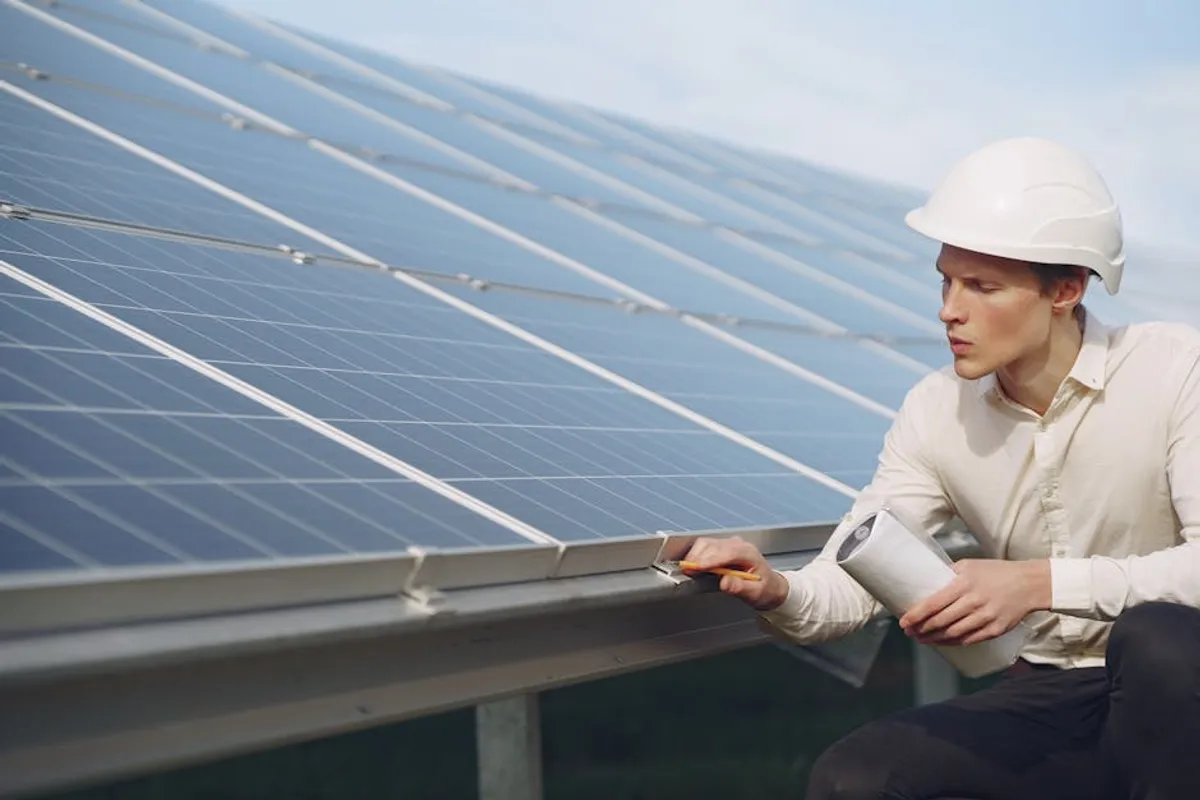
Achieving significant energy efficiency is an ongoing process, not a one-time project. After addressing the foundational elements, consider exploring renewable energy options like solar panels to further offset utility costs and reduce carbon footprint. Engage occupants or employees in energy-saving initiatives through education and incentives. Regularly review new technologies and best practices as they emerge to maintain an optimized energy profile. A proactive approach ensures long-term financial benefits and contributes to operational resilience.
Frequently Asked Questions
What is the most effective first step for a beginner in energy efficiency?
The most effective first step is to conduct a basic energy audit to identify where energy is currently being consumed. This involves reviewing utility bills and performing a visual inspection for obvious inefficiencies like drafts or outdated lighting. This provides a data-driven starting point for targeted improvements.
How quickly can I expect to see savings from energy efficiency upgrades?
Savings can be immediate for certain changes, such as switching to LED lighting or adjusting thermostat settings. Larger upgrades like insulation or new HVAC systems will show savings on subsequent utility bills, with the full financial impact realized over their calculated payback period, typically 1 to 5 years.
Are there government incentives or rebates for energy efficiency improvements?
Many governments, utility companies, and local municipalities offer incentives, rebates, or tax credits for energy efficiency upgrades. These can significantly reduce the upfront cost of projects like new windows, insulation, or high-efficiency HVAC systems. It is advisable to research available programs in your specific region before beginning major projects.
What is a "vampire load" and how can I reduce it?
A "vampire load," also known as phantom load or standby power, refers to the electricity consumed by electronics and appliances when they are turned off but still plugged in. Devices like phone chargers, TVs, and computers can draw power continuously. To reduce vampire load, unplug devices when not in use or connect them to smart power strips that cut power automatically.