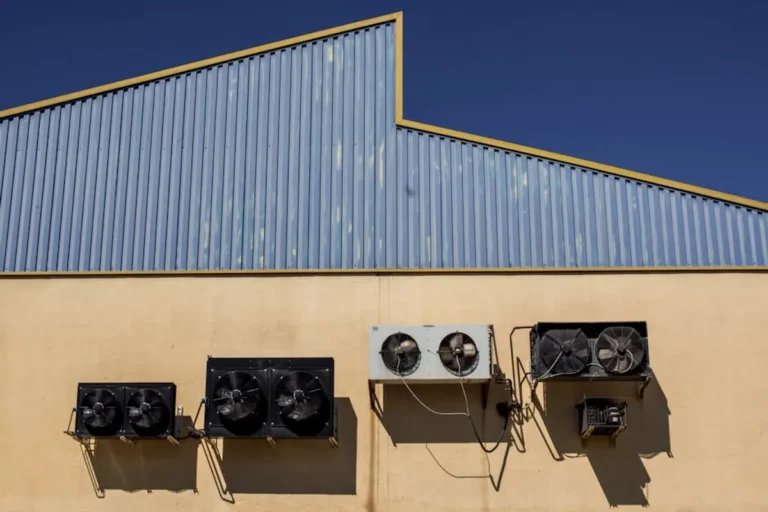
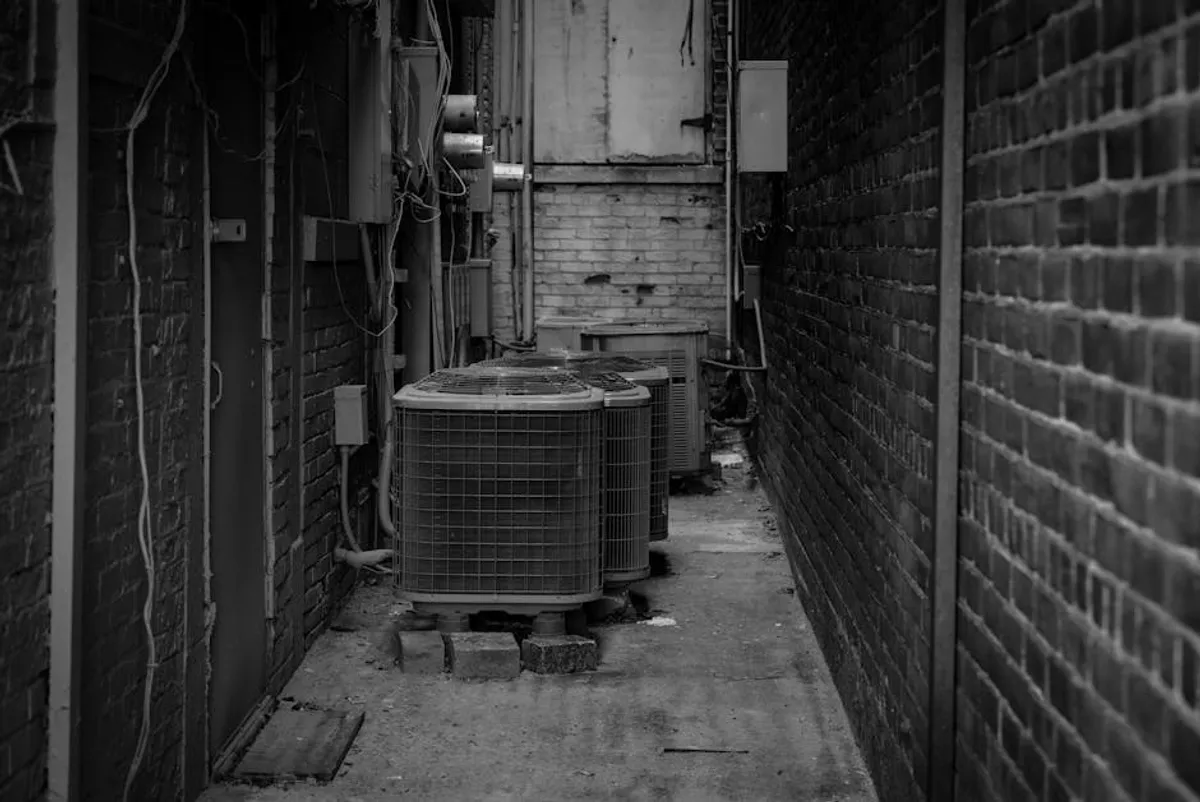
Effective commercial HVAC troubleshooting is not merely about fixing a broken system; it is a critical component of maintaining operational efficiency, controlling costs, and ensuring tenant or employee comfort. Downtime for a commercial HVAC unit can translate directly into lost productivity, spoiled inventory, or even regulatory non-compliance, making a systematic approach to identifying and resolving issues indispensable. This guide outlines common commercial HVAC problems, initial diagnostic steps, and when to engage professional services to minimize disruption and maximize system longevity. When troubleshooting complex issues, remember that engaging a certified HVAC professional ensures safety and proper repair.
Core Principles for Commercial HVAC Troubleshooting
Before addressing specific symptoms, establish a foundational approach to any HVAC issue:
- Safety First: Always prioritize safety. Before touching any component, ensure the unit's power is disconnected at the breaker. Commercial systems often involve high voltage, refrigerants, and moving parts that can cause serious injury. If you suspect a gas leak, evacuate the area immediately and contact emergency services.
- Systematic Approach: Avoid random adjustments. Follow a logical diagnostic path, starting with the simplest, most common causes and progressing to more complex possibilities. Document each step, including observations and actions taken.
- Understand Your System: Familiarize yourself with your specific HVAC unit's make, model, and operational manual. This provides crucial context for normal operation parameters and specific troubleshooting charts.
- Documentation: Keep a log of all maintenance, repairs, and observed issues. This history aids in identifying recurring problems and informs future preventative strategies.
Common Commercial HVAC Issues and Their Symptoms
Poor Cooling or Heating Performance
This is perhaps the most common and disruptive issue, directly impacting comfort and operational environments.
- Symptoms: The space is too warm or too cold despite thermostat settings, uneven temperature distribution, the unit runs constantly without reaching setpoint, or the unit cycles on and off too frequently (short cycling).
- Initial Checks:
- Thermostat Settings: Verify the thermostat is set to the correct mode (heat/cool), temperature, and fan setting (auto/on). Ensure no programming overrides are active.
- Air Filters: Clogged filters severely restrict airflow, reducing efficiency and potentially causing the unit to overheat or freeze. Check and replace dirty filters.
- Airflow Obstructions: Ensure supply and return vents are clear of furniture, inventory, or debris. Check outdoor condenser coils for blockages from leaves, dirt, or landscaping.
- Refrigerant Lines (Cooling): Look for ice buildup on the refrigerant lines, which indicates low refrigerant or poor airflow. This requires professional attention.
- Heat Exchanger (Heating): For furnaces, a cracked heat exchanger can lead to carbon monoxide leaks and reduced heating. This is a critical safety concern requiring immediate professional inspection.
Unusual Noises
Strange sounds often signal mechanical problems that, if ignored, can lead to costly failures.
- Symptoms: Squealing, grinding, rattling, buzzing, hissing, or bubbling sounds emanating from the unit.
- Initial Checks:
- Squealing: Often indicates a worn fan belt or motor bearings.
- Grinding: Typically points to failing motor bearings.
- Rattling: Could be loose panels, debris inside the unit, or a failing fan blade.
- Hissing/Bubbling: May suggest a refrigerant leak, especially if accompanied by reduced cooling.
- Buzzing: Can be electrical issues, a failing capacitor, or a vibrating component.
Strange Odors
Odors can range from merely unpleasant to indicative of serious safety hazards.
- Symptoms: Musty, burning, electrical, or gas-like smells.
- Initial Checks:
- Musty: Points to mold or mildew growth in the ductwork or evaporator coil, often due to excess moisture.
- Burning: Could be dust burning off heating elements at the start of the heating season, or more seriously, an electrical issue like burning wires or motor overheating.
- Electrical/Acrid: Almost always indicates an electrical component failure (e.g., motor, capacitor, wiring) and requires immediate power disconnection and professional inspection.
- Gas: If your system uses natural gas, a gas smell is an emergency. Evacuate and call your gas provider and emergency services immediately.
Water Leaks
Uncontrolled water can cause structural damage, slip hazards, and mold growth.
- Symptoms: Puddles around the indoor unit, water stains on ceilings or walls, or excessive condensation.
- Initial Checks:
- Clogged Condensate Drain Line: This is the most common cause. Algae or debris can block the line, causing water to back up and overflow the drip pan.
- Cracked Drip Pan: Older units may have rusted or cracked drain pans.
- Refrigerant Line Insulation: Damaged or missing insulation on cold refrigerant lines can lead to excessive condensation and dripping.
High Energy Bills
An unexpected spike in utility costs often signals an inefficiently running system.
- Symptoms: Utility bills significantly higher than previous periods without a corresponding increase in usage or changes in weather.
- Initial Checks:
- Dirty Coils: Both evaporator and condenser coils accumulate dirt, reducing heat transfer efficiency.
- Refrigerant Levels: Undercharged or overcharged refrigerant impacts system efficiency.
- Duct Leaks: Leaky ductwork allows conditioned air to escape, forcing the system to work harder.
- Aging Equipment: Older units are inherently less efficient than modern, high-SEER systems.
Pro Tip: Before calling for service, always perform a complete power cycle of the unit. Turn off the HVAC system at the thermostat and then at the main breaker for 5-10 minutes. This can sometimes reset control boards and resolve minor electronic glitches without requiring a service call. Document if this resolves the issue.
When to Call a Professional
While basic troubleshooting can resolve many issues, certain problems demand expert intervention:
- Safety Hazards: Any suspicion of gas leaks, burning electrical components, or carbon monoxide.
- Refrigerant Issues: Handling refrigerants requires specialized training, tools, and certifications due to environmental and safety regulations.
- Complex Electrical Problems: Beyond checking breakers, intricate electrical diagnostics should be left to certified technicians.
- Persistent Issues: If basic checks and resets do not resolve the problem, or if the issue recurs frequently.
- Warranty Concerns: Attempting complex repairs yourself may void your manufacturer's warranty.
- Specialized Tools: Many diagnostic and repair tasks require specialized gauges, meters, and vacuum pumps that are not typically available to property managers or in-house maintenance staff.
Maintaining Optimal Commercial HVAC Performance
Proactive maintenance significantly reduces the frequency and severity of troubleshooting needs. Implement a rigorous preventative maintenance schedule that includes:
- Regular Filter Replacement: Adhere to manufacturer recommendations, or more frequently in high-dust environments.
- Seasonal Tune-ups: Schedule professional inspections and maintenance twice a year (spring for cooling, fall for heating). This includes cleaning coils, checking refrigerant levels, inspecting electrical components, and lubricating moving parts.
- Clear Surroundings: Ensure outdoor condenser units are free from debris, vegetation, and obstructions to allow for proper airflow.
- Monitor Performance: Keep an eye on energy bills, system run times, and occupant comfort levels. Early detection of deviations can prevent minor issues from escalating.
Frequently Asked Questions
How often should commercial HVAC filters be changed?
Commercial HVAC filters should typically be checked monthly and replaced every 1 to 3 months, depending on the system's usage, air quality, and the type of filter. High-traffic areas or environments with significant dust or pollutants may require more frequent changes.
What are the signs of a refrigerant leak?
Key signs of a refrigerant leak include a sudden decrease in cooling capacity, ice buildup on the evaporator coil or refrigerant lines, a hissing or bubbling sound, and an unexpected increase in energy bills as the system struggles to cool.
Can I troubleshoot my commercial HVAC unit myself?
You can perform basic troubleshooting steps such as checking thermostat settings, replacing air filters, ensuring vents are clear, and resetting circuit breakers. However, for issues involving refrigerant, complex electrical components, or persistent mechanical problems, it is always best to call a certified HVAC professional.
What causes commercial HVAC units to freeze up?
A common cause for an HVAC unit to freeze up is restricted airflow, often due to a dirty air filter or blocked return vents. Other causes include low refrigerant levels, a malfunctioning fan motor, or a clogged condensate drain line causing excessive humidity around the coil.