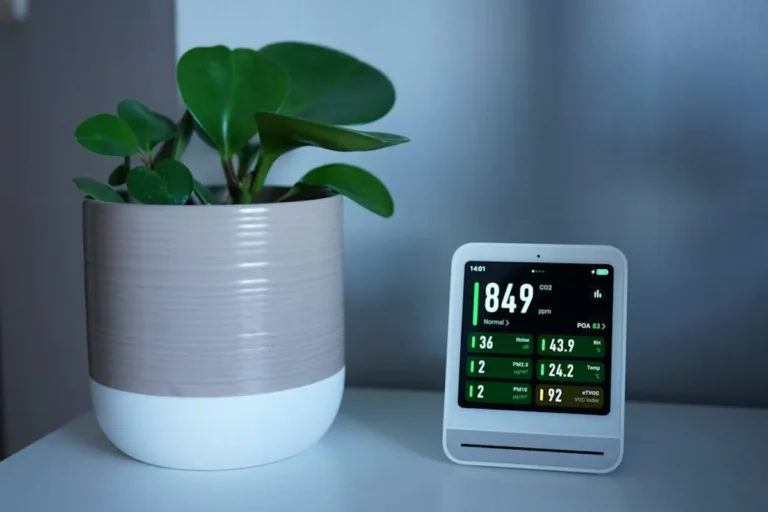

Maintaining optimal indoor air quality (IAQ) is not merely a comfort consideration; it directly impacts occupant health, productivity, and the longevity of building materials. For businesses, poor IAQ can translate into increased absenteeism and reduced operational efficiency. For homeowners, it can exacerbate allergies, respiratory issues, and overall well-being. This checklist provides a structured approach to evaluate and improve the air quality within any enclosed space, moving beyond superficial fixes to address root causes.
Understanding Your Indoor Environment
Before implementing solutions, a clear understanding of potential IAQ challenges is essential. This involves identifying sources, assessing current ventilation, and recognizing early warning signs.
Common Culprits
Indoor air pollutants originate from diverse sources, often overlooked in daily routines. These can be categorized for easier identification:
- Combustion Byproducts: Gas stoves, fireplaces, candles, and tobacco smoke release carbon monoxide, nitrogen dioxide, and particulate matter.
- Building Materials & Furnishings: Volatile Organic Compounds (VOCs) off-gas from paints, varnishes, adhesives, new carpeting, and pressed-wood products.
- Cleaning Products & Personal Care Items: Many aerosols, disinfectants, and fragrances contain VOCs and other irritants.
- Biological Contaminants: Mold, mildew, bacteria, viruses, dust mites, and pet dander thrive in specific conditions, often exacerbated by humidity.
- Outdoor Intrusions: Pollen, vehicle exhaust, industrial emissions, and radon gas can infiltrate indoor spaces.
Airflow and Exchange
Ventilation is the process of introducing fresh outdoor air and removing stale indoor air. Adequate ventilation dilutes pollutants and controls temperature and humidity. Assess your current ventilation:
- Natural Ventilation: Do you regularly open windows and doors? Cross-ventilation is most effective.
- Mechanical Ventilation: Are exhaust fans in bathrooms and kitchens used consistently? Is your HVAC system equipped with a fresh air intake?
- Air Exchange Rate: While complex to measure precisely without professional equipment, a general sense of stuffiness or lingering odors indicates insufficient air exchange.
Identifying Potential Issues
Visual cues, odors, and health symptoms can provide critical indicators of poor IAQ. A systematic approach to observation helps pinpoint problems.
Visual Inspection
A thorough visual sweep can reveal many common IAQ problems:
- Mold and Mildew: Look for discolored patches, fuzzy growth, or musty smells, especially in damp areas like bathrooms, basements, and around windows.
- Excessive Dust Accumulation: Beyond normal dusting, rapid dust buildup can indicate poor filtration or high particulate levels.
- Pest Infestations: Droppings or visible pests suggest potential allergens and contaminants.
- Water Damage: Stains on walls, ceilings, or flooring are precursors to mold and structural issues.
Unexplained Smells
Odors are often the first alert to an IAQ problem. While some are transient, persistent or unusual smells warrant investigation:
- Musty/Earthy: Strong indicator of mold or mildew growth.
- Chemical/Pungent: Suggests off-gassing from new materials, cleaning products, or industrial pollutants.
- Sewer Gas: Can indicate plumbing issues or dry drain traps.
- Burning/Electrical: Potentially serious, pointing to overheating electronics or wiring.
Health Indicators
Occupant symptoms are a direct measure of IAQ impact. Track patterns and severity:
- Respiratory Symptoms: Coughing, sneezing, shortness of breath, asthma flare-ups.
- Allergy-like Reactions: Itchy eyes, runny nose, skin rashes.
- General Discomfort: Headaches, fatigue, dizziness, nausea, difficulty concentrating.
Pro Tip: Documenting symptoms, their onset, and their location can provide crucial data. If symptoms improve when away from the space and return upon re-entry, IAQ is a likely contributing factor.
Testing and Monitoring
While observation is a start, quantitative data provides a clearer picture of air quality parameters.
Consumer Devices
A range of consumer-grade monitors can track common pollutants:
- Particulate Matter (PM2.5/PM10): Measures airborne dust, smoke, and allergens.
- Volatile Organic Compounds (VOCs): Detects chemical off-gassing.
- Carbon Dioxide (CO2): An indicator of ventilation effectiveness and occupant density.
- Radon: Specific test kits or continuous monitors are available for this naturally occurring radioactive gas.
Best for: Initial screening and ongoing awareness of general IAQ trends. These devices offer convenience and immediate feedback.
Professional Assessment
For persistent issues, specific concerns, or when consumer devices show elevated readings, professional testing is warranted. Experts use calibrated equipment and specialized techniques to identify a wider range of contaminants and their sources.
Best for: Diagnosing complex issues, verifying remediation effectiveness, or when health concerns are significant. Professionals can provide detailed reports and actionable recommendations.
Implementing Solutions
Once problems are identified, a multi-pronged approach to remediation is most effective, focusing on source control, ventilation, and filtration.
Eliminating Pollutants
The most effective strategy is to remove or reduce the source of pollutants:
- Material Selection: Choose low-VOC paints, furnishings, and building materials.
- Cleaning Habits: Use eco-friendly, fragrance-free cleaning products. Avoid aerosol sprays.
- Moisture Control: Repair leaks promptly, use dehumidifiers in damp areas, and ensure proper drainage around foundations.
- Pest Management: Implement integrated pest management strategies to minimize chemical use.
- Appliance Maintenance: Regularly service combustion appliances (furnaces, water heaters) to ensure proper venting.
Enhancing Air Exchange
Improving ventilation actively removes indoor pollutants and introduces fresh air:
- Maximize Natural Ventilation: Open windows and doors whenever outdoor air quality permits.
- Utilize Exhaust Fans: Run kitchen and bathroom exhaust fans during and after use to remove moisture and cooking fumes.
- HVAC System Check: Ensure your heating, ventilation, and air conditioning system is properly sized, maintained, and includes a fresh air intake if applicable. Consider energy recovery ventilators (ERVs) or heat recovery ventilators (HRVs) for energy-efficient fresh air.
Purification Systems
Air filtration and purification systems complement source control and ventilation:
- HVAC Filters: Upgrade to higher MERV (Minimum Efficiency Reporting Value) rated filters (MERV 8-13 is generally good for residential use) and replace them regularly (every 1-3 months).
- Portable Air Purifiers: Units with HEPA filters effectively capture particulate matter, while activated carbon filters can reduce odors and some VOCs. Select units sized appropriately for the room.
Regular Cleaning & Servicing
Consistent maintenance prevents the re-accumulation of pollutants:
- Dusting and Vacuuming: Use vacuums with HEPA filters to trap fine particles. Dust surfaces regularly with a damp cloth.
- HVAC Maintenance: Schedule annual professional servicing for your HVAC system. Clean ducts as needed.
- Appliance Checks: Inspect and clean dryer vents, refrigerator coils, and other appliance components that can accumulate dust or moisture.
Establishing a Healthier Indoor Space
Improving indoor air quality is an ongoing process, not a one-time fix. By systematically applying this checklist, you create a framework for identifying issues, implementing targeted solutions, and maintaining a healthier indoor environment. Regular monitoring and proactive maintenance are key to sustaining these improvements, directly contributing to the well-being and productivity of all occupants.
Frequently Asked Questions
How often should I check my indoor air quality?
A basic visual and olfactory check should be done regularly, perhaps monthly. For specific concerns or if you have sensitive occupants, consider using a consumer air monitor for continuous tracking. Professional assessments are typically recommended every few years or when persistent issues arise.
Can plants improve indoor air quality?
While some studies suggest certain houseplants can remove small amounts of specific VOCs, their overall impact on a typical indoor environment's air quality is generally minor compared to proper ventilation and filtration systems. They can, however, contribute to a sense of well-being and humidity control.
What are common signs of poor indoor air quality?
Common signs include persistent odors (musty, chemical, stale), increased dust, visible mold growth, and health symptoms like headaches, fatigue, respiratory irritation (coughing, sneezing), itchy eyes, or worsening allergy/asthma symptoms that improve when you leave the space.
Is professional IAQ testing always necessary?
No, not always. Many common IAQ issues can be identified and resolved through diligent observation, source control, and improved ventilation. Professional testing becomes necessary when problems persist despite basic interventions, when specific contaminants are suspected (e.g., radon, asbestos), or when health concerns are significant and require precise identification of pollutants.