The energy landscape is in constant flux, driven by evolving regulatory pressures, technological advancements, and a growing emphasis on sustainability across all sectors. For businesses, understanding the trajectory of energy efficiency is not merely about environmental stewardship; it represents a critical pathway to operational cost reduction, enhanced resilience, and a competitive market position. Ignoring these shifts risks escalating expenditures, compliance hurdles, and missed opportunities for innovation. This overview identifies key energy efficiency trends shaping current and future business strategies, providing practical context for marketers, site owners, and agencies focused on commercial viability and long-term planning.
Smart Building Technologies and IoT Integration
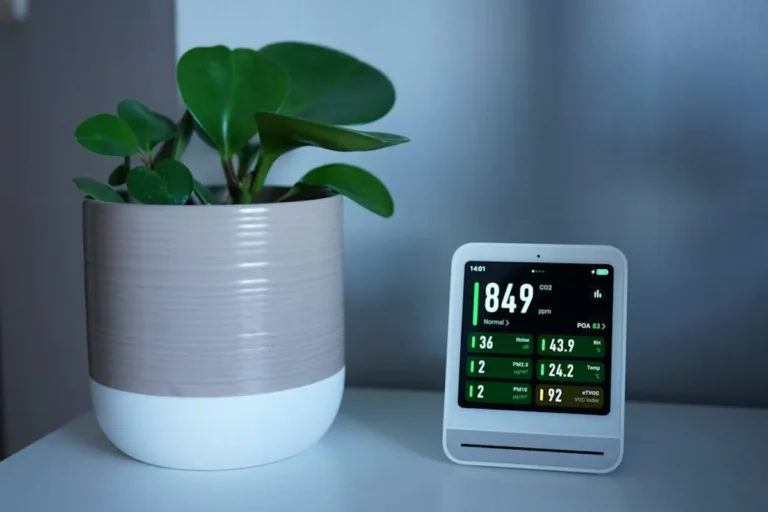
The convergence of Internet of Things (IoT) devices with advanced building management systems (BMS) is fundamentally reshaping how commercial and industrial spaces consume energy. This trend moves beyond basic automation, integrating real-time data from a network of sensors, actuators, and smart meters to create highly responsive and adaptive environments. Key components include:
- Occupancy and Daylight Sensors: These devices dynamically adjust lighting and HVAC based on actual usage patterns and natural light availability, eliminating energy waste in unoccupied or over-lit areas.
- Predictive HVAC Systems: Leveraging AI and machine learning, these systems analyze weather forecasts, occupancy schedules, and historical data to optimize heating, ventilation, and air conditioning operations, pre-cooling or pre-heating spaces only when necessary.
- Integrated Energy Management Platforms: Centralized dashboards provide a holistic view of energy consumption across various building systems, enabling facility managers to identify inefficiencies, set performance benchmarks, and automate corrective actions.
Commercial Utility: The primary benefit for businesses is a quantifiable reduction in operational expenses, often ranging from 10-30% in energy costs. Beyond savings, smart building technologies offer improved occupant comfort and productivity, extended equipment lifespan through optimized operation, and granular data for compliance reporting and strategic energy planning.
Renewable Energy Integration and Storage Solutions
The push for decarbonization, coupled with declining costs of renewable technologies, makes on-site generation and energy storage increasingly attractive for commercial entities. This trend focuses on reducing reliance on grid power by generating clean energy directly at the point of consumption and storing it for later use.
On-Site Generation
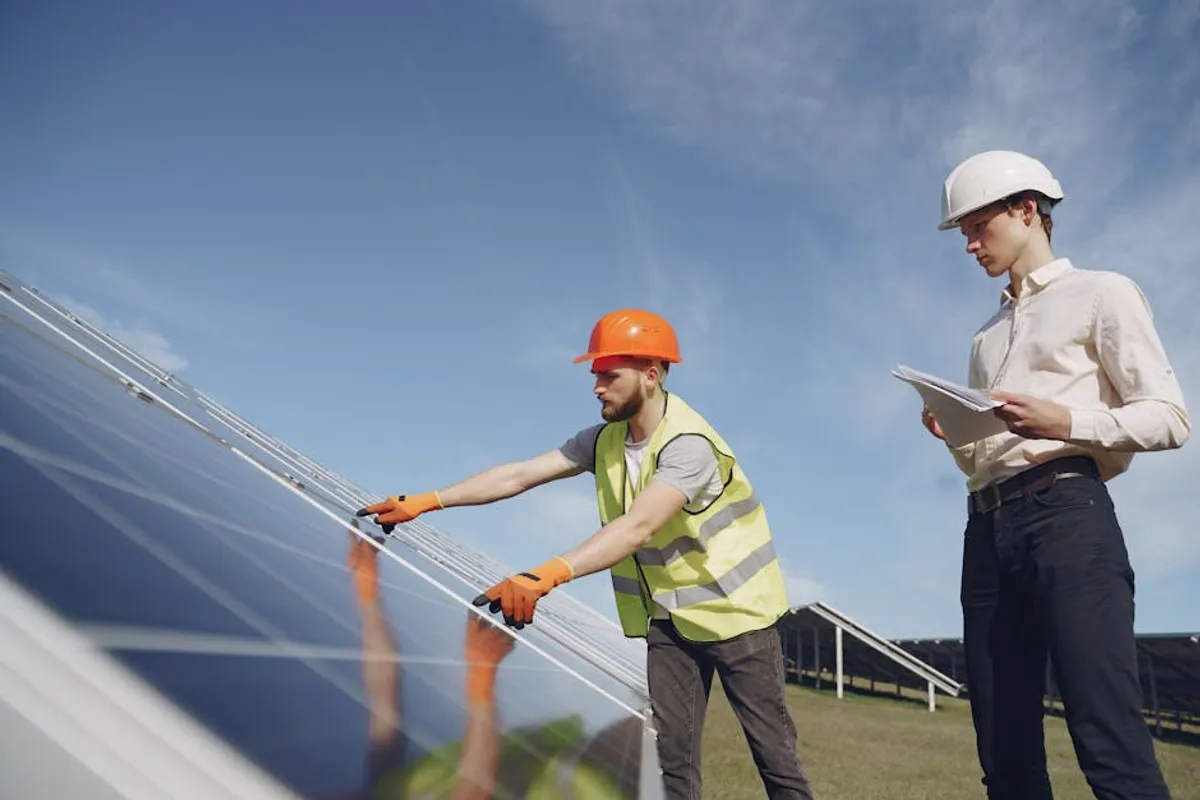
Solar photovoltaic (PV) installations remain a dominant choice, with rooftop and ground-mounted arrays becoming common features for businesses seeking to offset electricity purchases. Wind turbines, though less common for individual commercial sites, are gaining traction in industrial parks or larger campuses. Geothermal systems provide efficient heating and cooling by leveraging stable underground temperatures.
Advanced Energy Storage
Battery energy storage systems (BESS), primarily lithium-ion, are pivotal in maximizing the value of on-site renewables. They enable businesses to:
- Peak Shaving: Discharge stored energy during periods of high demand and expensive utility rates, reducing peak load charges.
- Demand Response: Participate in utility programs by reducing or shifting energy consumption in response to grid signals, often earning financial incentives.
- Enhanced Resilience: Provide backup power during grid outages, ensuring continuity of critical operations.
- Microgrids: For larger facilities or campuses, integrating on-site generation, storage, and intelligent controls creates self-sufficient microgrids capable of operating independently from the main grid.
Commercial Utility: Businesses gain greater energy independence, protection against volatile energy prices, and a reduced carbon footprint. The ability to participate in grid services can also create new revenue streams.
Advanced Material Science in Building Envelopes
The building envelope—the physical barrier separating the interior from the exterior—is a critical determinant of energy performance. Innovations in material science are leading to more effective insulation, dynamic glazing, and reflective surfaces that significantly reduce heating and cooling loads.
High-Performance Insulation
Beyond traditional fiberglass and foam, new materials like aerogels and vacuum insulated panels (VIPs) offer superior thermal resistance with thinner profiles, ideal for retrofits or space-constrained applications. These materials minimize heat transfer, maintaining stable indoor temperatures with less energy input.
Dynamic Glazing and Cool Roofs
Electrochromic windows, or "smart glass," can change their tint electronically, controlling solar heat gain and glare without the need for blinds or curtains. Cool roofs, made with highly reflective materials, reduce the amount of solar radiation absorbed by a building, lowering internal temperatures and decreasing the urban heat island effect. Phase-change materials (PCMs) integrated into walls or ceilings absorb and release thermal energy as they change state, helping to moderate indoor temperatures passively.
Commercial Utility: These advancements translate directly to lower HVAC energy consumption, improved occupant comfort, and reduced strain on cooling systems. The long-term durability and reduced maintenance requirements of these materials also contribute to lower lifecycle costs for commercial properties.
Pro Tip: When evaluating energy efficiency investments, prioritize an integrated approach. Standalone solutions yield results, but true optimization comes from systems that communicate and adapt. For instance, combining smart HVAC with advanced building envelope materials amplifies savings beyond what either could achieve alone. Focus on interoperability and data-sharing capabilities to future-proof your infrastructure.
Data Analytics and Artificial Intelligence for Optimization
The proliferation of energy data from smart meters, IoT sensors, and building systems has created a new frontier for energy efficiency: leveraging big data and artificial intelligence (AI) to uncover hidden inefficiencies and predict future consumption patterns. This trend moves beyond simple monitoring to proactive, intelligent management.
Predictive Analytics and Anomaly Detection
AI algorithms can analyze vast datasets to identify deviations from normal energy consumption patterns, flagging potential equipment malfunctions or operational inefficiencies before they become significant problems. Predictive models forecast energy demand based on variables like weather, occupancy, and production schedules, allowing for precise resource allocation.
Automated Optimization and Machine Learning
Machine learning models continuously learn from building performance data, refining control strategies for HVAC, lighting, and other systems. This enables autonomous adjustments that optimize energy use in real-time, often without human intervention. Examples include AI-driven chiller plant optimization or automated lighting schedules that adapt to seasonal changes and actual usage.
Commercial Utility: Businesses gain unprecedented insight into their energy footprint, enabling highly targeted interventions that yield maximum returns. This leads to continuous improvement in energy performance, reduced waste, and the ability to benchmark against industry standards or internal goals with precision.
Circular Economy Principles and Resource Efficiency
While often associated with waste management, circular economy principles are increasingly applied to energy efficiency, emphasizing the value of resources beyond their initial use. This trend encourages a holistic view of energy consumption, looking for opportunities to recover, reuse, and regenerate energy and materials.
Waste Heat Recovery
Industrial processes, data centers, and even commercial refrigeration systems generate significant amounts of waste heat. Technologies that capture this heat and convert it into useful energy—for space heating, water heating, or even electricity generation—are gaining traction. This reduces the need for primary energy sources.
Industrial Symbiosis and Material Reuse
This involves collaboration between different industries or businesses where the waste product of one becomes a valuable input for another. While more prevalent in industrial settings, commercial applications include using waste biomass for energy, or repurposing materials from demolition for new construction, reducing the embodied energy of building components.
Commercial Utility: Adopting circular economy principles can lead to reduced input costs, new revenue streams from waste products, and a stronger brand reputation for sustainability. It also aligns businesses with growing regulatory and consumer demands for environmentally responsible operations.
Capitalizing on Energy Efficiency Trends
Businesses seeking to leverage these energy efficiency trends should begin with a comprehensive energy audit to establish a baseline and identify the most impactful areas for intervention. Prioritize investments that offer clear ROI, considering both direct cost savings and indirect benefits like enhanced comfort, improved resilience, and positive brand perception. Engage with energy consultants or technology providers who can tailor solutions to specific operational needs and integrate diverse systems effectively. Continuous monitoring and data analysis are crucial for sustained performance improvements and adapting to future market shifts. Implementing these recommendations and following best practices for energy efficiency will ensure long-term savings and operational improvements.
Frequently Asked Questions
Why are energy efficiency trends important for businesses?
Energy efficiency trends offer businesses opportunities to significantly reduce operational costs, comply with environmental regulations, enhance their public image, and improve resilience against energy price volatility and grid disruptions.
What is the role of AI in modern energy efficiency?
AI analyzes vast datasets from smart meters and sensors to identify inefficiencies, predict energy consumption patterns, and automate system optimizations, leading to continuous improvements in energy performance and proactive problem-solving.
How do smart building technologies contribute to energy savings?
Smart building technologies use sensors and automated controls to dynamically adjust lighting, HVAC, and other systems based on real-time conditions like occupancy and daylight, preventing energy waste and optimizing resource allocation.
Can small businesses benefit from these trends?
Yes, while some advanced solutions may be scaled for larger enterprises, many trends like LED lighting upgrades, smart thermostats, and energy monitoring software are accessible and cost-effective for small businesses, offering immediate savings and improved efficiency.