Implementing an energy efficiency program within any commercial operation involves more than just swapping out light bulbs. It requires a systematic approach to identify waste, prioritize interventions, and measure impact across multiple domains. A comprehensive energy efficiency checklist serves as a foundational tool, guiding facilities managers, business owners, and sustainability officers through the process of auditing current consumption, pinpointing areas for improvement, and strategizing for long-term savings. This structured approach not only reduces operational overhead by lowering utility bills but also enhances asset value, improves occupant comfort, and contributes to broader environmental stewardship goals.
Building Envelope Optimization
The building envelope, comprising the roof, walls, windows, and foundation, acts as the primary barrier between indoor and outdoor environments. Its effectiveness directly impacts heating and cooling loads, making it a critical area for energy savings.
Insulation and Air Sealing
Adequate insulation reduces heat transfer, maintaining stable indoor temperatures with less energy input. Assess existing insulation levels in attics, walls, and crawl spaces against current building codes and best practices. Air sealing addresses uncontrolled air leakage, which can account for a significant portion of energy loss. Common leakage points include gaps around windows and doors, utility penetrations, and junctions between different building materials.
- Inspect and seal all visible cracks, gaps, and penetrations in the building's exterior and interior, including around pipes, wiring, and ductwork.
- Evaluate attic and wall insulation R-values; consider adding insulation to meet or exceed recommended standards for your climate zone.
- Ensure proper ventilation in attics and crawl spaces to prevent moisture buildup while maintaining thermal performance.
Window and Door Efficiency
Windows and doors are often weak points in the building envelope, contributing to heat gain in summer and heat loss in winter. Upgrading these components offers substantial returns.
- Replace single-pane windows with double or triple-pane units featuring low-emissivity (low-e) coatings. These coatings reflect infrared light, reducing heat transfer.
- Install weatherstripping and door sweeps on all exterior doors to prevent drafts.
- Consider exterior shading devices like awnings or overhangs for south- and west-facing windows to minimize solar heat gain.
HVAC System Performance
Heating, Ventilation, and Air Conditioning (HVAC) systems are typically the largest energy consumers in commercial buildings. Optimizing their performance is paramount for significant energy reductions.
Regular Maintenance and Upgrades
A well-maintained HVAC system operates more efficiently and has a longer lifespan. Neglecting maintenance leads to degraded performance and increased energy consumption.
- Schedule quarterly or semi-annual professional inspections and tune-ups for all HVAC units.
- Regularly clean or replace air filters according to manufacturer recommendations; dirty filters restrict airflow and reduce efficiency.
- Ensure refrigerant levels are correct and coils are clean to optimize heat exchange.
- Consider upgrading older, inefficient units to modern, high-efficiency models with higher SEER (Seasonal Energy Efficiency Ratio) or EER (Energy Efficiency Ratio) ratings.
Ductwork and Controls
Leaky or uninsulated ductwork can waste a considerable amount of conditioned air before it reaches its destination. Smart controls provide precise management over system operation.
- Inspect all ductwork for leaks and seal them with mastic sealant or foil tape.
- Insulate ducts running through unconditioned spaces like attics or crawl spaces.
- Install programmable or smart thermostats that can be remotely managed and adjusted based on occupancy schedules.
- Implement zoning systems to heat or cool only occupied areas, avoiding energy waste in unused spaces.
Lighting System Modernization
Lighting can account for a substantial portion of a building's electricity use. Modernization efforts focus on reducing consumption while maintaining or improving illumination quality.
LED Conversion and Controls
Light Emitting Diodes (LEDs) offer superior energy efficiency and longevity compared to traditional incandescent or fluorescent lighting.
- Replace all fluorescent tubes and incandescent bulbs with LED equivalents. LEDs consume significantly less energy and have a much longer operational life.
- Install occupancy sensors in restrooms, conference rooms, storage areas, and other spaces with intermittent use, ensuring lights are only on when needed.
- Implement daylight harvesting controls in areas with ample natural light, automatically dimming or turning off artificial lights when sufficient daylight is available.
- Utilize task lighting where appropriate to provide focused illumination for specific workstations, reducing the need for high ambient light levels throughout an entire space.
Office Equipment and IT Infrastructure
While individual pieces of office equipment may consume little power, their cumulative impact can be substantial, especially in large operations.
- Enable power management settings on all computers, monitors, and network devices to automatically enter low-power sleep modes during inactivity.
- Consolidate servers and adopt virtualization technologies to reduce the number of physical machines and associated cooling loads in data centers.
- Unplug "vampire loads" – electronics that draw power even when turned off – or use smart power strips that cut power to devices when not in use.
- Encourage employees to power down personal workstations and shared equipment at the end of each workday.
Pro Tip: Conduct a professional energy audit to establish a baseline for current energy consumption. This audit identifies specific energy waste points, quantifies potential savings, and provides a prioritized list of interventions with estimated costs and payback periods. Without a baseline, measuring the true impact of efficiency upgrades becomes challenging.
Renewable Energy Integration and Smart Controls
Beyond reducing demand, generating your own energy or implementing advanced management systems can further enhance efficiency and resilience.
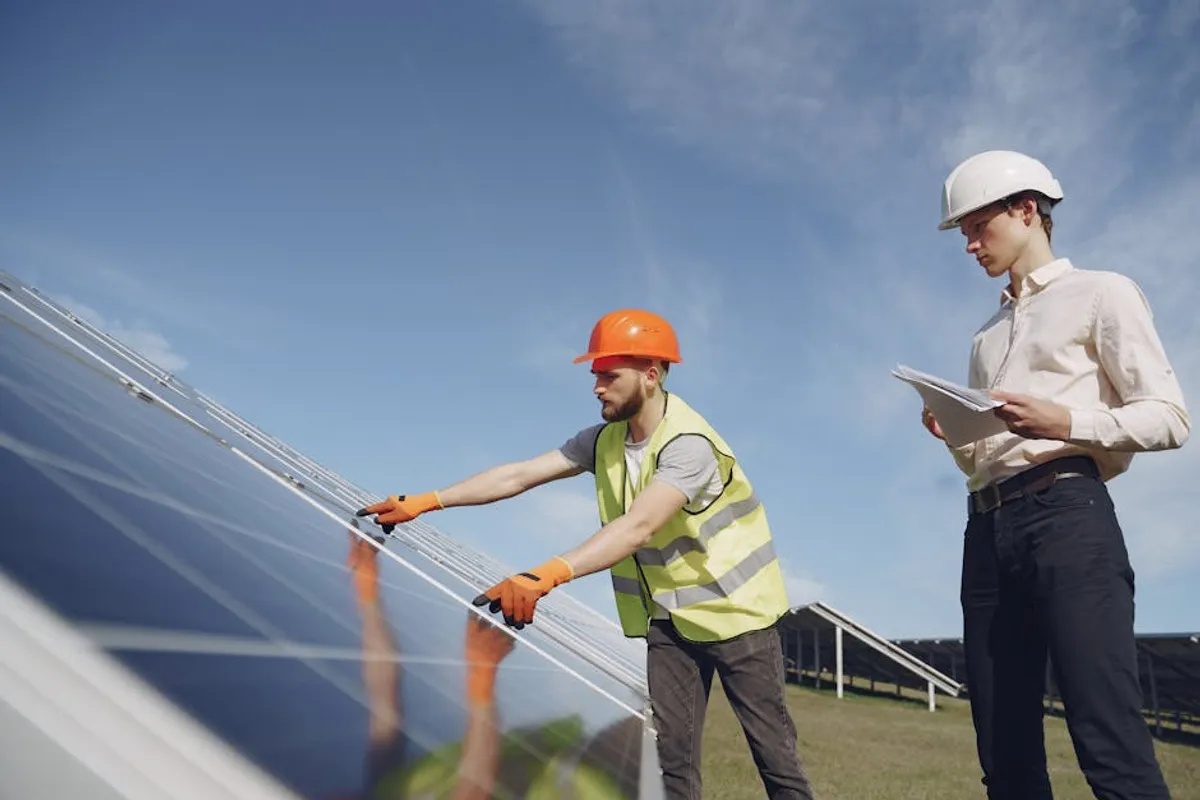
- Evaluate the feasibility of installing solar photovoltaic (PV) panels on rooftops or available land to offset grid electricity consumption.
- Implement a comprehensive Building Energy Management System (BEMS) to monitor, control, and optimize energy use across all building systems from a central platform.
- Utilize sub-metering to track energy consumption by department, floor, or specific equipment, allowing for granular analysis and targeted efficiency efforts.
Behavioral Changes and Employee Engagement
Technology and infrastructure upgrades are only part of the solution. Employee behavior plays a crucial role in maximizing energy savings.
- Develop and communicate clear energy-saving policies, such as guidelines for lighting use, thermostat settings, and equipment shutdown procedures.
- Appoint "energy champions" within different departments to monitor compliance, identify new opportunities, and encourage energy-conscious behavior.
- Provide regular training and awareness campaigns to educate employees on the importance of energy efficiency and how their actions contribute to overall goals.
Sustaining Energy Efficiency Improvements
Achieving energy efficiency is an ongoing process that requires continuous monitoring and adaptation. Once initial upgrades are complete, the focus shifts to maintaining gains and identifying further opportunities.
Establish a system for tracking energy consumption data over time, comparing it against the baseline established during the initial audit. This allows for verification of savings and early detection of any performance degradation. Regularly review and update your energy efficiency checklist as new technologies emerge and operational needs evolve. Consider annual or biennial re-audits to pinpoint areas that may have been overlooked or have changed since the last assessment. Phased implementation, starting with high-impact, low-cost measures, can help build momentum and secure funding for more significant investments.
Frequently Asked Questions
What is the first step in an energy efficiency project?
The initial step should always be a comprehensive energy audit to establish a baseline of current consumption, identify specific areas of waste, and prioritize potential improvements based on cost-effectiveness and impact.
How often should an energy audit be conducted?
While an initial audit is crucial, re-audits are recommended every 3-5 years, or whenever there are significant changes to building usage, equipment, or energy costs, to ensure ongoing optimization.
What are the typical ROI periods for energy efficiency upgrades?
ROI periods vary widely depending on the specific upgrade; simple measures like LED lighting or thermostat programming can have payback periods of 1-3 years, while larger investments like HVAC replacements or solar installations might range from 5-15 years.
Are there government incentives for energy efficiency?
Many governments and utility companies offer rebates, tax credits, or grants for businesses investing in energy-efficient upgrades. Research local, state, and federal programs to identify available financial incentives that can significantly reduce upfront costs.