Street art, once dismissed as mere vandalism, has evolved into a powerful force shaping urban landscapes and cultural narratives. Its movements reflect shifts in societal values, technological capabilities, and the commercial perception of public space. For marketers, urban planners, and content creators, understanding these transformations is crucial for engaging with city culture authentically and identifying emerging commercial opportunities.
From Rebellion to Recognition: The Evolution of Street Art
The journey of street art from illicit markings to celebrated public installations highlights a profound change in how cities and their inhabitants interact with visual expression. This evolution is not linear but a series of overlapping movements, each contributing distinct aesthetic and philosophical frameworks.
Graffiti's Subversive Origins (1970s-1980s)
The earliest widespread street art movement, graffiti, emerged from New York City's subway system in the 1970s. Artists, often young and marginalized, used spray paint to tag their names (or "crews") across trains and walls. This was less about aesthetic appeal to the mainstream and more about asserting presence, claiming territory, and communicating within a subculture. The act of "bombing" (covering large areas rapidly) and developing elaborate "pieces" (complex letterforms) created a visual language that was both defiant and highly skilled. While initially associated with urban decay and crime, its raw energy and directness laid the groundwork for future movements, demonstrating public space as a canvas for unsanctioned expression. Early gallery shows, such as those featuring Jean-Michel Basquiat and Keith Haring, began to bridge the gap between street and fine art, signaling its commercial potential.
Stencil Art and Political Commentary (1980s-Present)
As graffiti gained notoriety, a new approach emerged: stencil art. Pioneered by artists like Blek le Rat in Paris and later popularized globally by figures such as Banksy, stenciling offered a faster, more replicable method of placing images and messages in public. This technique allowed for greater detail and often carried explicit socio-political commentary, ranging from anti-consumerism to calls for peace. The anonymity afforded by stencils, coupled with their ability to disseminate consistent imagery, made them potent tools for critique and public dialogue. This movement significantly shifted public perception, moving street art from purely territorial marking to a recognized form of artistic and political intervention, often sparking widespread media attention and debate.
Murals and Urban Regeneration: Large-Scale Impact
The transition from individual tags and stencils to large-scale murals marks a critical phase where street art began to be embraced, and even commissioned, by civic bodies and developers as a tool for urban renewal and cultural branding.
The Muralism Movement (Early 20th Century to Contemporary)
While large-scale public murals have historical roots in movements like Mexican Muralism (early 20th century), contemporary muralism as part of street art culture gained significant traction in the late 20th and early 21st centuries. Cities like Philadelphia, with its Mural Arts Program, and districts like Wynwood Walls in Miami, actively leveraged large-format art to revitalize neighborhoods, attract tourism, and foster community pride. These projects often involve local artists, community input, and significant investment, transforming neglected facades into vibrant landmarks. The economic impact is tangible, with increased foot traffic, local business patronage, and enhanced property values in areas known for their public art. Murals serve as powerful visual anchors, contributing directly to a city's brand identity and cultural appeal.
Adbusting and Culture Jamming (Late 20th Century-Present)
Operating at the intersection of art and activism, adbusting and culture jamming movements directly challenge the pervasive commercial messaging in public spaces. Artists and collectives repurpose billboards, bus stop ads, and other corporate signage to subvert their original intent, replacing commercial slogans with critical commentary or satirical imagery. This movement highlights the contested nature of public visual space and critiques consumerism, corporate power, and media manipulation. By interrupting the flow of commercial communication, adbusting forces viewers to critically re-evaluate their environment and the messages they absorb, stimulating public discourse and offering an alternative perspective to corporate narratives.
Pro Tip: When evaluating street art for potential commercial content or urban development initiatives, prioritize authenticity. Art that genuinely reflects local culture or addresses relevant social issues tends to resonate more deeply and maintain its cultural capital, offering more sustainable value than purely decorative or overtly commercial installations.
Digital Interventions and Augmented Reality (21st Century)
The advent of digital technologies has opened new frontiers for street art, moving beyond static physical installations to interactive and ephemeral experiences.
- Projection Mapping: Artists use powerful projectors to overlay dynamic images and animations onto buildings, transforming their architecture temporarily. This allows for large-scale, immersive art without permanent physical alteration, ideal for festivals or temporary installations.
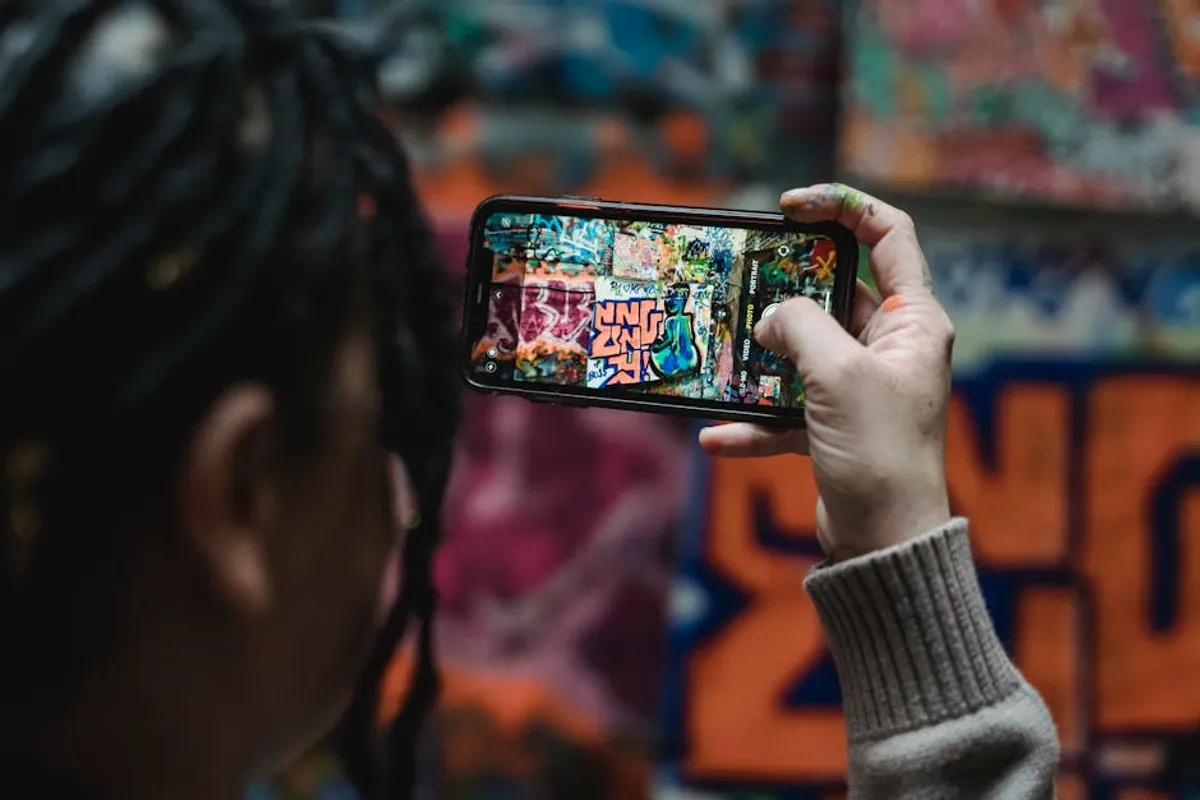
- Augmented Reality (AR) Art: Mobile applications enable viewers to "see" virtual artworks overlaid onto real-world locations through their smartphone cameras. This creates a layer of hidden art, accessible only to those with the right technology, offering a treasure hunt-like experience and extending the reach of art beyond physical constraints.
- Interactive Installations: Some street art now incorporates sensors, lights, or sound, reacting to passersby or environmental conditions, fostering direct engagement and a sense of participation.
These digital approaches expand the temporal and interactive dimensions of street art, offering unique content opportunities for digital platforms and attracting a tech-savvy audience. They also present new challenges for preservation and documentation.
Cultivating City Identity Through Public Art
Street art movements have profoundly influenced how cities define and present themselves. Beyond aesthetics, they contribute to a city's economic vitality and social cohesion.
Impact on Urban Branding: Cities with vibrant street art scenes often develop a reputation as creative hubs, attracting tourists, artists, and businesses seeking dynamic environments. This visual identity becomes a key differentiator in a competitive global landscape.
Economic Contribution: Public art can increase foot traffic to commercial districts, support local artists, and even influence property values. Mural festivals, for example, generate significant tourism revenue and local spending.
Community Engagement: Art initiatives involving local communities foster a sense of ownership and pride. Collaborative murals or workshops can address social issues, beautify neglected spaces, and strengthen community bonds.
Content Generation: For publishers and marketers, street art offers a rich source of visual content, human interest stories, and cultural commentary. Documenting these movements provides valuable insights into urban trends and youth culture.
Leveraging Urban Art for Commercial and Cultural Impact
Understanding the trajectory of street art movements provides a framework for strategic engagement. For agencies, publishers, and urban developers, this means recognizing street art as a dynamic asset, not merely a decorative element. Consider how authentic art initiatives can:
Enhance Place-making: Integrate art into urban planning to create distinct, memorable spaces that resonate with residents and visitors. This goes beyond commissioning individual pieces to fostering entire art districts.
Drive Tourism and Engagement: Develop digital guides, walking tours, or augmented reality experiences that highlight local street art, providing unique content for travel platforms and local businesses.
Foster Brand Alignment: Brands can strategically partner with local artists or art organizations for projects that align with their values, contributing to cultural enrichment while gaining authentic visibility.
Inform Content Strategy: Use street art trends as a lens to explore broader cultural shifts, urban development, and community narratives, generating compelling content for diverse audiences.
Frequently Asked Questions
What defines a "street art movement" versus individual artists?
A street art movement involves a collective of artists sharing similar aesthetics, techniques, philosophical approaches, or social goals, often emerging within a specific geographic or cultural context and gaining broader recognition.
Is all street art legal?
No. While many contemporary murals are commissioned, significant portions of street art, particularly graffiti and some stencil work, remain unsanctioned and illegal. The legal status often depends on local ordinances, property ownership, and the nature of the artwork.
How does street art contribute to urban gentrification?
While street art can beautify areas and attract investment, it can also inadvertently contribute to gentrification by increasing property values and drawing in new residents, sometimes displacing existing communities. Careful planning and community involvement are crucial to mitigate negative impacts.
Can street art be preserved, given its ephemeral nature?
Preservation is a challenge. Some works are documented through photography or digital scans, while others are physically protected or moved to galleries. The ephemeral nature is often considered part of the art form, reflecting constant urban change.