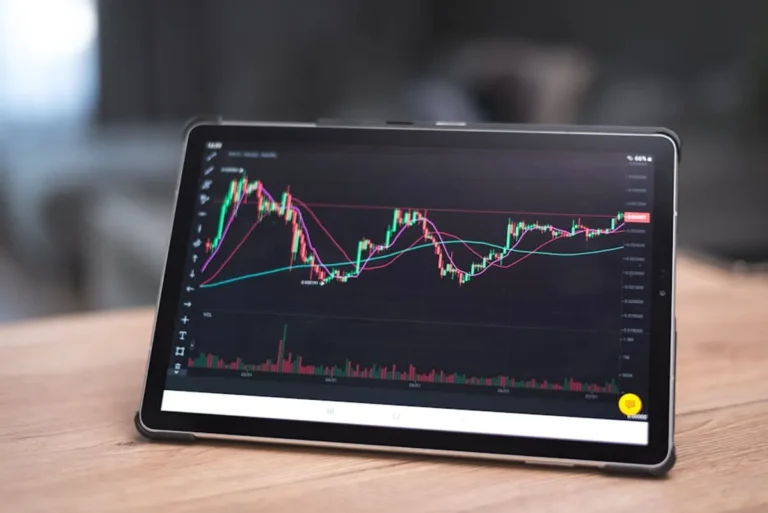

Navigating the stock market effectively requires more than a general understanding of economic trends; it demands focused attention on specific, immediate catalysts that drive daily price movements. For investors, the challenge lies in discerning actionable signals from background noise. This daily vigilance is not about chasing every headline, but rather identifying the critical data points and events that can genuinely influence portfolio performance and necessitate strategic adjustments. Understanding what to prioritize observing allows for more informed decision-making, whether that involves re-evaluating positions, identifying new opportunities, or simply confirming existing strategies.
Key Economic Indicators to Monitor
Economic data releases provide a fundamental backdrop for market sentiment and corporate performance. Investors routinely track these indicators for insights into the overall health and direction of the economy, which in turn impacts corporate profitability and consumer behavior.
Inflation Data
Reports like the Consumer Price Index (CPI) and Producer Price Index (PPI) are crucial for assessing inflationary pressures. High inflation erodes purchasing power and can prompt central banks to raise interest rates, potentially dampening corporate earnings and economic growth. Conversely, persistently low inflation might signal weak demand or deflationary risks, influencing investment in different asset classes. Investors analyze both the headline figures and core inflation (excluding volatile food and energy prices) for a clearer picture of underlying trends.
Employment Figures
Unemployment rates, non-farm payrolls, and average hourly earnings are closely watched for their impact on consumer spending and economic expansion. Robust job growth and rising wages typically indicate a healthy economy, supporting corporate revenues and equity valuations. Weak employment data, conversely, can signal an economic slowdown, leading to caution among investors. The weekly jobless claims report offers a more immediate, though often volatile, snapshot of labor market conditions.
Consumer Sentiment and Spending
Surveys on consumer confidence (e.g., University of Michigan Consumer Sentiment Index, Conference Board Consumer Confidence Index) offer forward-looking insights into consumer willingness to spend, which constitutes a significant portion of economic activity. Retail sales data provides a concrete measure of actual spending. Strong consumer confidence and spending are positive for companies reliant on consumer demand, while declines can signal impending economic headwinds.
Corporate Earnings and Guidance
Beyond macroeconomic data, individual company performance and outlook are paramount. Earnings season, occurring quarterly, brings a surge of information that can significantly move individual stocks and entire sectors.
Investors focus on reported earnings per share (EPS) and revenue figures relative to analyst expectations. However, equally important is the forward guidance provided by management regarding future revenues, profit margins, and capital expenditure plans. This guidance often dictates how a stock performs post-earnings, as it reflects management's confidence in the company's prospects. Unexpectedly strong or weak guidance can trigger substantial price adjustments, regardless of past performance.
Sector-Specific Performance
Within earnings reports, investors also monitor sector-specific trends. For example, technology companies' guidance on cloud spending or semiconductor demand can provide insights into broader tech sector health. Energy companies' commentary on production costs and demand forecasts impacts the energy sector. Identifying these granular details helps in understanding which industries are gaining or losing momentum.
Central Bank Policy and Interest Rates
Central banks, such as the Federal Reserve in the United States, exert considerable influence over financial markets through monetary policy decisions. Their actions on interest rates directly affect borrowing costs for businesses and consumers, impacting economic growth and corporate profitability.
Key events to watch include:
- Interest Rate Announcements: Decisions on benchmark rates, and the accompanying statements, provide clarity on the central bank's stance on inflation and economic growth.
- Meeting Minutes: Detailed records of central bank meetings offer deeper insights into the thinking and divisions among policymakers.
- Speeches by Officials: Public comments from central bank governors or presidents can signal future policy directions and influence market expectations.
- Quantitative Easing/Tightening: Programs involving the buying or selling of government bonds and other assets impact liquidity in the financial system, affecting asset prices.
Changes in interest rate expectations can lead to significant shifts in equity valuations, bond yields, and currency exchange rates.
Geopolitical and Global Events
Events on the global stage, ranging from trade disputes and political instability to international conflicts and natural disasters, can introduce volatility and uncertainty into financial markets. These events often have immediate and unpredictable impacts on specific industries, commodity prices, and investor sentiment.
For example, disruptions to global supply chains due to geopolitical tensions can affect manufacturing and retail sectors. Energy prices can spike in response to conflicts in oil-producing regions. Investors must monitor these developments for their potential to alter economic forecasts and corporate operating environments.
Pro Tip: Differentiate between market noise and actionable information. Not every daily fluctuation or headline warrants a portfolio adjustment. Focus on data releases and events that fundamentally alter the economic outlook or a company's long-term prospects. Overreacting to short-term volatility can lead to suboptimal decisions.
Commodity Markets and Currency Fluctuations
The prices of key commodities like crude oil, natural gas, gold, and agricultural products can have widespread effects across the economy. Energy prices, in particular, influence transportation costs, manufacturing expenses, and consumer budgets. Gold often acts as a safe-haven asset during periods of economic uncertainty.
Currency exchange rates also play a vital role, especially for multinational corporations. A stronger domestic currency can make exports more expensive and imports cheaper, affecting the competitiveness and profitability of companies with significant international operations. Investors track major currency pairs for insights into global trade flows and relative economic strength.
Synthesizing Information for Action
The daily influx of market data requires a structured approach to synthesis. Investors should not only track individual data points but also understand their interconnectedness. For instance, rising oil prices combined with strong employment figures might signal inflationary pressures, potentially leading to central bank hawkishness. This holistic view helps in building a coherent narrative about market direction and identifying sectors or companies that are likely to benefit or suffer under prevailing conditions. Regular review of portfolio holdings against these evolving market dynamics is crucial for maintaining alignment with investment objectives.
Frequently Asked Questions
What is the most important single indicator to watch daily?
There isn't one single most important indicator; market dynamics are complex. However, employment data (like non-farm payrolls) and inflation reports (like CPI) frequently cause significant market reactions due to their direct influence on central bank policy and economic growth prospects.
How do I distinguish between market noise and significant news?
Significant news typically involves data releases from credible sources (government agencies, central banks) or major corporate announcements that directly impact economic fundamentals or company earnings guidance. Market noise often consists of speculative rumors, minor analyst upgrades/downgrades without new information, or short-term technical fluctuations.
Should I adjust my portfolio based on daily market movements?
For long-term investors, frequent portfolio adjustments based on daily movements are generally not recommended. Daily volatility is common. Strategic adjustments are typically warranted when fundamental economic conditions or a company's long-term outlook materially changes, not just on day-to-day price swings.
Where can I find reliable market data and news?
Reliable sources include official government statistical agencies (e.g., Bureau of Labor Statistics, Census Bureau), central bank publications, reputable financial news organizations, and direct company investor relations releases. Always cross-reference information from multiple trusted sources.