Public art is more than just decoration; it is a fundamental component in the construction and perception of a city's identity. For urban planners, marketers, and economic development professionals, understanding its impact moves beyond aesthetic appreciation to strategic value. Public art shapes how residents experience their environment, how visitors perceive a destination, and ultimately, how a city brand is built and communicated. This strategic integration of art into the urban fabric creates tangible benefits, from increased foot traffic and local economic stimulation to enhanced community cohesion and a distinct online presence. Recognizing these contributions allows for deliberate planning that leverages public art as a powerful tool for urban development and digital visibility.
Defining Public Art and Urban Identity
What Constitutes Public Art?
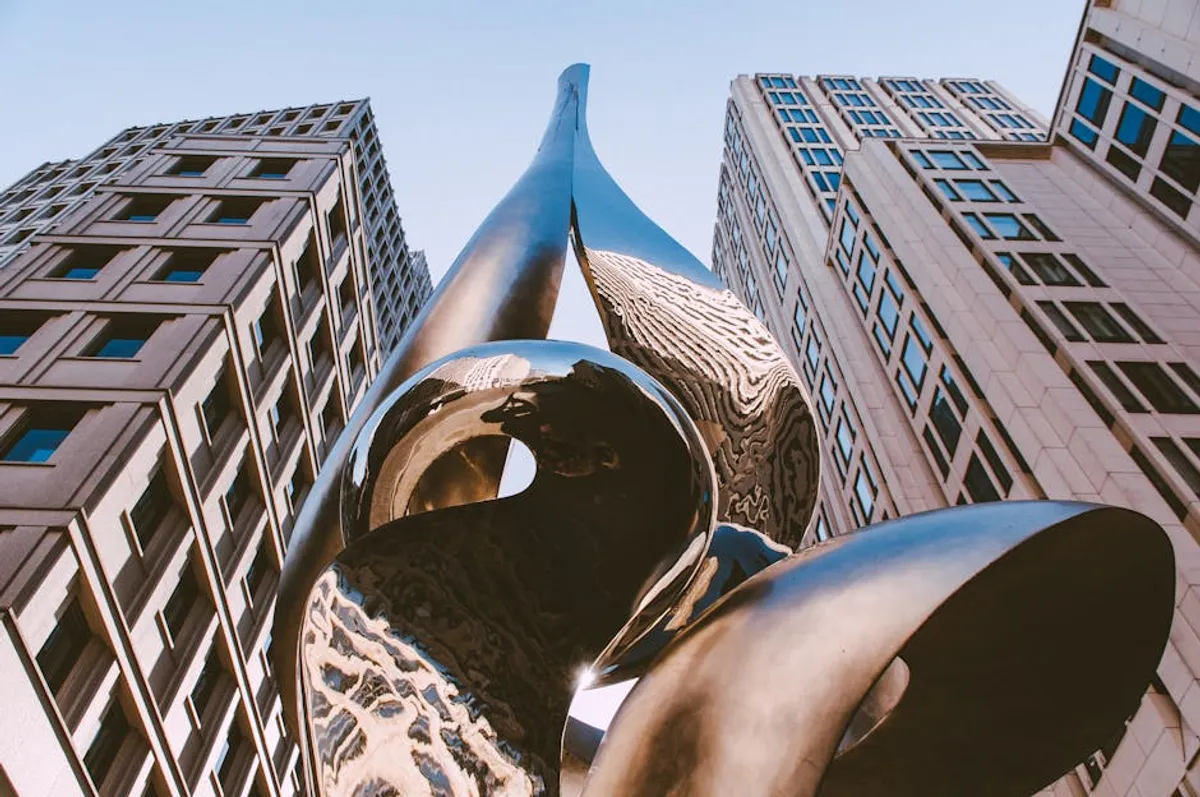
Public art encompasses a diverse range of artistic expressions installed in public spaces, accessible to all. It extends beyond traditional statues and monuments to include murals, interactive installations, light projections, soundscapes, and even performance art. The key differentiator is its public accessibility and integration into the shared environment, often commissioned or acquired with public funds or through public-private partnerships. Its purpose often transcends mere aesthetics, aiming to provoke thought, commemorate history, or simply enhance the daily experience of urban dwellers.
The Concept of Urban Identity
Urban identity refers to the unique character, personality, and collective sense of place that defines a city. It is a complex blend of its history, architecture, culture, demographics, economic drivers, and natural environment. This identity is not static; it is continually shaped by ongoing development, community narratives, and how a city presents itself to the world. A strong urban identity fosters civic pride among residents, attracts tourism, and signals a city's values to businesses and investors.
Public Art as a Catalyst for Place-Making
Place-making is the process of creating high-quality public spaces that people want to live, work, and play in. Public art serves as a critical element in this process by transforming nondescript areas into memorable destinations. It provides focal points, encourages interaction, and imbues spaces with meaning and character. For marketers, these art-infused locations become unique selling propositions for a city, generating organic content and local interest.
- Landmark Creation: Iconic public artworks become recognizable symbols, anchoring neighborhoods and contributing to a city's visual brand. Think of Chicago's "Cloud Gate" or New York's "Charging Bull."
- Enhanced Walkability: Art installations can break up long stretches, offer visual interest, and encourage pedestrian exploration, leading to increased foot traffic for local businesses.
- Community Gathering Points: Public art often provides natural meeting spots, fostering social interaction and a sense of shared ownership over public spaces.
- Narrative Building: Art can tell stories about a city's history, culture, or aspirations, creating deeper connections for residents and visitors alike.
Economic and Cultural Impact of Public Art
Boosting Local Economies
The economic benefits of public art are multifaceted. Beyond direct commissions and artist employment, public art drives tourism, increases property values in surrounding areas, and supports local businesses. Unique art installations draw visitors who spend money on accommodation, dining, and retail. For real estate developers, proximity to significant public art can be a powerful amenity, justifying higher property values and attracting desirable tenants. Cities that invest in public art often see a ripple effect across their creative industries.
Enhancing Cultural Richness and Tourism
Public art enriches a city's cultural landscape, offering accessible artistic experiences to a broad audience regardless of socioeconomic status. This cultural depth makes a city more attractive as a tourist destination, providing unique attractions that differentiate it from competitors. For digital marketers, these unique cultural assets translate into rich content opportunities for destination marketing organizations (DMOs) and local businesses, driving search interest and online engagement.
Pro Tip: When evaluating the economic impact of public art, consider metrics beyond direct sales. Track social media engagement (mentions, shares, geotags), local search queries for "art installations near me," foot traffic data in art-dense areas, and even local business revenue correlations. These data points provide a more comprehensive view for stakeholders and justify further investment.
Fostering Community Engagement and Social Cohesion
Public art often acts as a catalyst for community engagement. Projects involving local artists or community participation can build a strong sense of ownership and pride. These artworks can spark conversations, reflect local values, and even address social issues, making art a democratic and inclusive platform. For city planners, this translates into more vibrant, engaged communities and stronger social fabric.
Digital Representation and Online Visibility
In the digital age, public art significantly contributes to a city's online visibility and digital footprint. Each unique installation serves as a potential point of interest for local search queries and user-generated content (UGC). When people photograph and share public art on social media, they are inadvertently marketing the city. For SEO professionals, this presents opportunities:
- Local SEO Signals: Public art installations can be optimized as local points of interest, generating reviews, geotagged content, and local citations.
- Content Generation: They provide endless material for blog posts, social media campaigns, and visual content that attracts organic traffic.
- Schema Markup: Implementing schema.org markup for 'Artwork' or 'TouristAttraction' can enhance visibility in search engine results, providing rich snippets and direct answers.
- User-Generated Content: Encourage visitors to share their experiences with specific hashtags, amplifying a city's online presence and authenticity.
Strategic Integration for Urban Growth
Integrating public art into urban development and marketing strategies requires foresight and collaboration. City agencies, developers, and marketing teams should work together to identify strategic locations, commission impactful pieces, and promote them effectively. This involves:
For Urban Planners: Prioritize art that reflects local culture, enhances pedestrian experience, and addresses community needs. Integrate art planning early in development projects.
For Marketers: Develop content strategies around public art, leveraging high-quality visuals and storytelling. Encourage UGC and optimize for local search terms related to art and culture. Collaborate with local influencers and photographers to showcase new installations.
For Site Owners/Publishers: Create comprehensive guides, interactive maps, and detailed features on local public art. This positions your platform as an authority on local culture and generates valuable, unique content that attracts organic search traffic.
Frequently Asked Questions
How does public art specifically benefit local businesses?
Public art draws foot traffic to areas, increasing visibility for nearby businesses. It creates a more pleasant and memorable environment, encouraging people to linger longer and spend more at local shops, cafes, and restaurants. It can also serve as a unique backdrop for events, further boosting local economic activity.
Can public art influence a city's global reputation?
Yes, iconic public art can become synonymous with a city, contributing significantly to its global brand and reputation. It signals a city's commitment to culture, creativity, and quality of life, which can attract international tourism, talent, and investment. Think of cities known for their distinctive public art scenes.
What role does digital marketing play in promoting public art?
Digital marketing is crucial for extending the reach and impact of public art. It involves creating engaging online content (photos, videos, virtual tours), optimizing for local search, using social media to encourage user-generated content, and collaborating with influencers. This helps drive both physical visitation and online engagement, amplifying the art's cultural and economic benefits.
How can communities fund public art projects?
Public art projects are typically funded through a combination of sources, including municipal budgets, "percent for art" programs (where a percentage of capital project costs is allocated to art), private donations, grants from foundations, and corporate sponsorships. Public-private partnerships are increasingly common, leveraging diverse funding streams for impactful installations.