
Understanding specific indoor air quality (IAQ) examples is critical for property managers, facility operators, and business owners who aim to maintain healthy, productive environments. Poor IAQ directly impacts occupant well-being, leading to decreased productivity, increased absenteeism, and potential liability issues. Identifying common IAQ problems through concrete examples allows for targeted mitigation strategies, protecting both human health and operational efficiency. This focus on real-world scenarios moves beyond abstract concerns, providing a practical framework for assessment and improvement.
Defining Poor Indoor Air Quality Through Specific Cases
Poor indoor air quality arises from a complex interplay of contaminants, inadequate ventilation, and uncontrolled environmental factors. Recognizing the specific manifestations of these issues is the first step toward effective management.
Common Pollutants and Their Sources
Indoor environments can harbor a range of pollutants originating from building materials, human activities, and outdoor infiltration. These include particulate matter, volatile organic compounds (VOCs), biological agents, and combustion byproducts. Each type of pollutant presents unique challenges and requires distinct approaches for identification and control.
Health and Business Impacts
The consequences of compromised IAQ extend beyond occupant comfort. Health impacts range from acute symptoms like headaches, dizziness, and respiratory irritation to chronic conditions such as asthma exacerbation and increased cancer risk. For businesses, these health issues translate into higher healthcare costs, reduced employee morale, and potential regulatory fines or legal action. Proactive IAQ management is therefore a commercial imperative, not just a health consideration.
Specific Examples of Indoor Air Quality Issues
Volatile Organic Compounds (VOCs) in New Construction or Renovations
Example: A newly renovated office space or residential unit often emits a distinct "new building smell." This odor is frequently attributed to the off-gassing of VOCs from fresh paint, new carpeting, composite wood products (like particleboard or MDF), adhesives, and certain cleaning agents. These chemicals, such as formaldehyde, benzene, and toluene, vaporize at room temperature and become airborne.
Impact: Occupants may experience acute symptoms including headaches, nausea, dizziness, eye and respiratory tract irritation, and exacerbation of asthma or allergies. Long-term exposure to certain VOCs is linked to more severe health effects. For businesses, this can lead to occupant complaints, slower lease-up times, and a perception of an unhealthy environment.
Mitigation: Implementing a "flush-out" period with increased ventilation before occupancy, specifying low-VOC or no-VOC building materials and finishes, and ensuring adequate ventilation rates during and after construction are critical. Material data safety sheets (MSDS) provide VOC content information.
Mold and Mildew from Moisture Intrusion
Example: A persistent musty odor in a basement, around window sills, or in a bathroom often signals the presence of mold or mildew. This typically occurs following water leaks from roofs or plumbing, foundation cracks, or sustained high indoor humidity (above 60%). Visible discoloration on walls, ceilings, or fabrics confirms growth.
Impact: Mold spores are common allergens, triggering symptoms like sneezing, runny nose, red eyes, and skin rashes. For individuals with asthma, mold exposure can induce severe attacks. Certain molds produce mycotoxins, which can have more serious health implications. Beyond health, mold causes structural damage to building materials and reduces property value.
Mitigation: Promptly addressing water leaks, maintaining indoor humidity levels between 30-50% with dehumidifiers or proper HVAC operation, and ensuring good ventilation in moisture-prone areas like bathrooms and kitchens. Professional remediation is often necessary for significant mold growth.
Particulate Matter (PM2.5, PM10) in Urban or Industrial Settings
Example: Buildings located near busy roadways, industrial zones, or construction sites often contend with elevated levels of outdoor particulate matter infiltrating indoor spaces. Inside, sources include cooking fumes, burning candles or incense, fireplaces, and general dust from daily activities. PM2.5 refers to fine particles (2.5 micrometers or less in diameter), while PM10 includes coarser particles.
Impact: Inhaled particulate matter can penetrate deep into the lungs, causing respiratory issues, aggravating asthma and bronchitis, and contributing to cardiovascular problems. Visible dust accumulation and reduced air clarity are common indicators.
Mitigation: Upgrading HVAC filtration systems to higher MERV (Minimum Efficiency Reporting Value) ratings (e.g., MERV 11-13) to capture finer particles. Sealing building envelopes to minimize outdoor infiltration, and using exhaust fans in kitchens and other source areas. Regular cleaning with HEPA-filtered vacuums also helps.
Carbon Monoxide (CO) from Combustion Appliances
Example: A malfunctioning gas furnace, water heater, stove, or fireplace can produce carbon monoxide, an odorless, colorless gas. Vehicle exhaust from attached garages, especially if vehicles are left idling, is another common source. CO detectors are essential because the gas is undetectable by human senses.
Impact: Carbon monoxide poisoning symptoms include headache, dizziness, nausea, weakness, confusion, and chest pain. High concentrations can lead to unconsciousness, brain damage, and death. It is particularly dangerous because symptoms are often mistaken for the flu.
Mitigation: Regular professional inspection and maintenance of all combustion appliances. Ensuring proper ventilation for all fuel-burning equipment. Installing UL-listed carbon monoxide detectors on every level of a building, especially near sleeping areas.
Radon Gas in Basements and Ground Floors
Example: Radon is a naturally occurring radioactive gas that results from the decay of uranium in soil, rock, and water. It can seep into buildings through cracks in foundations, floor drains, and other openings, accumulating in lower levels like basements.
Impact: Radon is the leading cause of lung cancer among non-smokers and the second leading cause overall. It poses a significant long-term health risk that is often overlooked due to its invisible and odorless nature.
Mitigation: Professional radon testing is the only way to detect its presence. If levels are elevated, mitigation systems, such as sub-slab depressurization, are installed to vent the gas safely outdoors.
Biological Contaminants (Bacteria, Viruses, Allergens)
Example: Inadequate ventilation in crowded spaces, poor filtration, or high humidity can foster the spread of airborne bacteria and viruses. Common allergens like pet dander, pollen, and dust mite allergens also contribute to biological contamination.
Impact: These contaminants lead to increased rates of infectious diseases (e.g., colds, flu), allergic reactions (e.g., rhinitis, conjunctivitis), and exacerbate respiratory conditions like asthma.
Mitigation:
- Ensuring adequate fresh air ventilation rates, often guided by ASHRAE standards.
- Utilizing air purification systems with HEPA filters or UV-C light.
- Controlling indoor humidity to inhibit microbial growth.
- Implementing regular, thorough cleaning protocols.
- Managing pest control to reduce allergen sources.
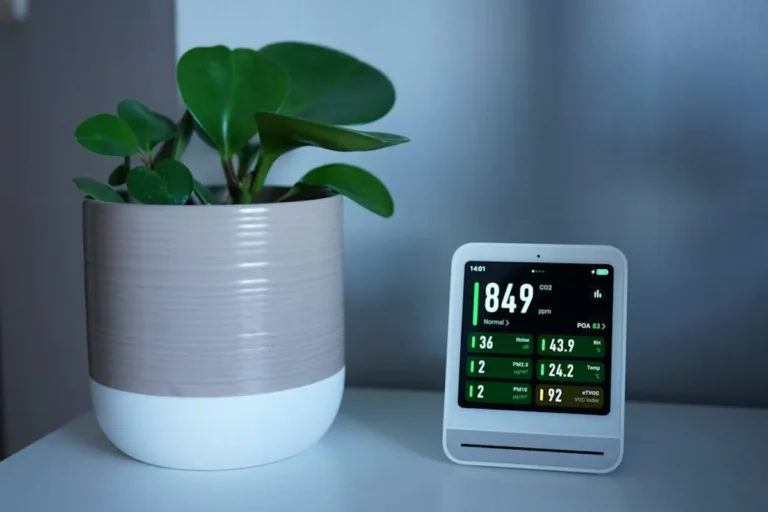
Pro Tip: Implement a proactive IAQ monitoring program that includes periodic air sampling for key pollutants and continuous monitoring of critical parameters like CO2, temperature, and humidity. This allows for early detection of issues before they escalate into significant health concerns or operational disruptions. Relying solely on occupant complaints means reacting to problems rather than preventing them.
Strategies for Addressing Indoor Air Quality Concerns
Effective IAQ management integrates multiple strategies, moving beyond simple fixes to create a holistic approach. This involves source control, improved ventilation, and air cleaning.
Source control is the most direct method, focusing on eliminating or reducing pollutant emissions at their origin. This includes selecting low-VOC materials, repairing leaks promptly, and maintaining combustion appliances. Ventilation strategies involve introducing sufficient outdoor air and exhausting stale indoor air, diluting contaminants. Air cleaning, through filtration and purification, removes pollutants that cannot be eliminated at the source or adequately diluted by ventilation alone. The optimal strategy often combines all three, tailored to the specific building and its occupants.
Practical Steps for Sustained Improvement
Maintaining optimal indoor air quality requires ongoing vigilance and a structured approach. Begin with a comprehensive IAQ assessment to identify existing issues and potential risks. Develop an IAQ management plan that outlines specific actions, responsibilities, and timelines for monitoring, maintenance, and remediation. Regular HVAC system inspections, filter replacements, and duct cleaning are foundational. Educate occupants on their role in maintaining good IAQ, such as proper waste disposal and reporting maintenance issues. By integrating these practices, building owners and managers can ensure healthier, more efficient indoor environments over the long term, safeguarding both human capital and asset value.
Frequently Asked Questions About Indoor Air Quality
What are the most common signs of poor indoor air quality?
Common signs include persistent odors (musty, chemical, or stale), frequent headaches or fatigue among occupants, increased respiratory issues or allergies, visible mold growth, and excessive dust accumulation. Elevated CO2 levels, detectable with monitors, also indicate inadequate ventilation.
How often should indoor air quality be tested?
While there's no universal schedule, it's advisable to conduct professional IAQ testing: after major renovations or new construction, if occupants report unexplained health issues, following water damage, or if persistent odors are present. Routine monitoring of CO2, temperature, and humidity can provide ongoing insights, with comprehensive testing every few years as a baseline.
Can plants improve indoor air quality?
While some studies suggest certain houseplants can remove small amounts of specific VOCs, their overall impact on improving IAQ in typical building environments is generally minimal. They can contribute to a more pleasant aesthetic and psychological well-being, but they are not a substitute for robust ventilation or filtration systems.
What role does humidity play in indoor air quality?
Humidity plays a significant role. High humidity (above 60%) encourages mold, mildew, and dust mite growth, exacerbating allergies and asthma. Conversely, very low humidity (below 30%) can lead to dry skin, irritated respiratory passages, and increased susceptibility to airborne viruses. Maintaining indoor humidity between 30-50% is crucial for optimal IAQ.