HVAC diagnostic work depends substantially on tools. Better tools produce better diagnoses; worse tools waste time and miss issues. Across twelve years of commissioning and troubleshooting commercial HVAC systems, I've developed specific opinions about which tools earn their place in the field bag.
Here are five diagnostic tools I use constantly and three I tested and gave up on.
The 5 tools I use constantly
1. Fluke 985 particle counter
Specific particle counter for IAQ assessment and filter performance verification.
Why I use it: Particle data reveals filter performance, infiltration issues, and source identification that other measurements miss.
What it does well: Reliable particle counting in 6 size channels. Quick measurements. Substantial battery life.
What it doesn't do: Doesn't measure VOCs, gases, or specific chemicals.
Cost: About $3,500. Substantial investment but pays back through diagnostic capability.
2. TSI VelociCalc air velocity meter
Specific anemometer for measuring air velocity in ducts, diffusers, and around equipment.
Why I use it: Air velocity measurements reveal flow issues, balance problems, and equipment performance that other tools miss.
What it does well: Accurate velocity measurements across substantial range. Multiple probe options.
What it doesn't do: Doesn't measure absolute flow without specific calibration.
Cost: $1,500-3,500 depending on model and probes.
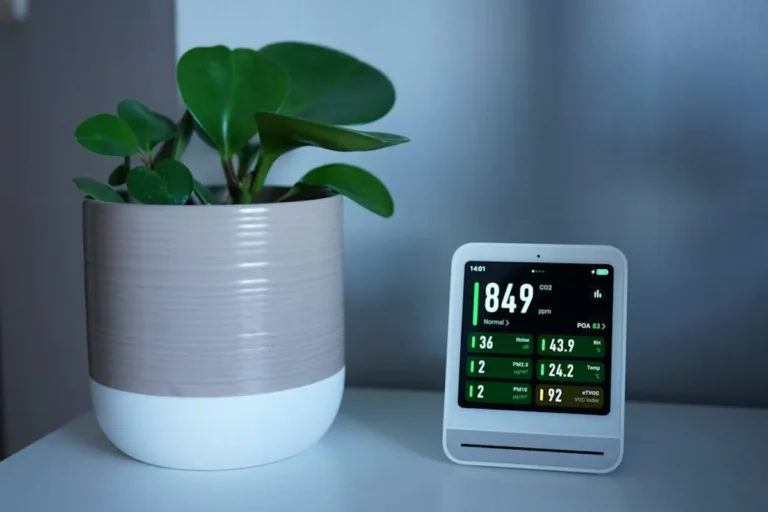
3. Onset HOBO data loggers
Specific data loggers for unattended measurement of temperature, humidity, CO2, and other parameters.
Why I use them: Continuous data over days or weeks reveals patterns that spot measurements miss. Many problems only appear at specific times or under specific conditions.
What they do well: Reliable unattended logging. Substantial battery life. Easy data download.
What they don't do: Don't provide real-time alerts. Need substantial post-processing for analysis.
Cost: $50-300 per logger. I have a substantial collection across various measurement types.
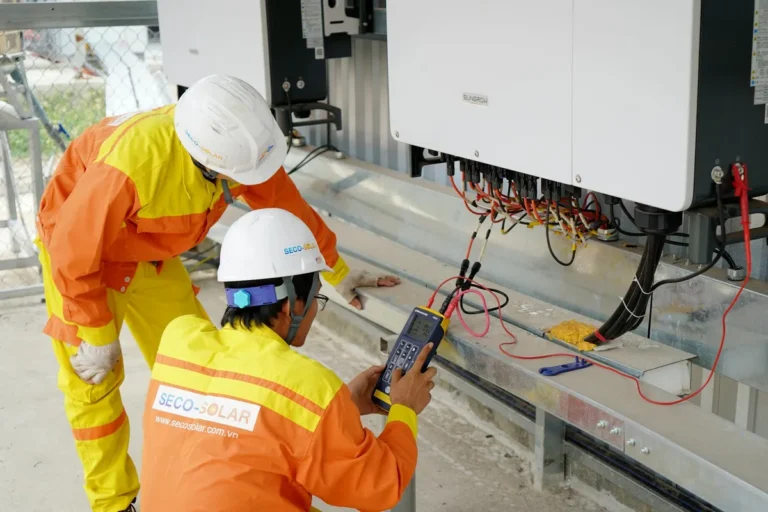
4. Fluke 376 FC clamp meter
Specific clamp meter for measuring electrical current on equipment.
Why I use it: Electrical measurements reveal motor loading, equipment cycling, and operational issues that other tools miss.
What it does well: Accurate AC and DC current measurements. iFlex flexible probe for tight spaces. Wireless data transmission.
What it doesn't do: Limited diagnostic capability beyond current measurement.
Cost: About $400. Substantial value for electrical diagnostics.
5. Fluke Ti401 Pro thermal imager
Thermal imaging camera for identifying temperature issues on equipment and building surfaces.
Why I use it: Thermal patterns reveal insulation issues, electrical problems, valve issues, and various other conditions that direct measurement misses.
What it does well: Substantial image quality. Proper temperature accuracy. Good in difficult lighting.
What it doesn't do: Surface temperatures only — doesn't reveal internal issues directly.
Cost: About $4,500. Substantial investment but enables substantial diagnostic capability.
The 3 tools I tested and gave up on
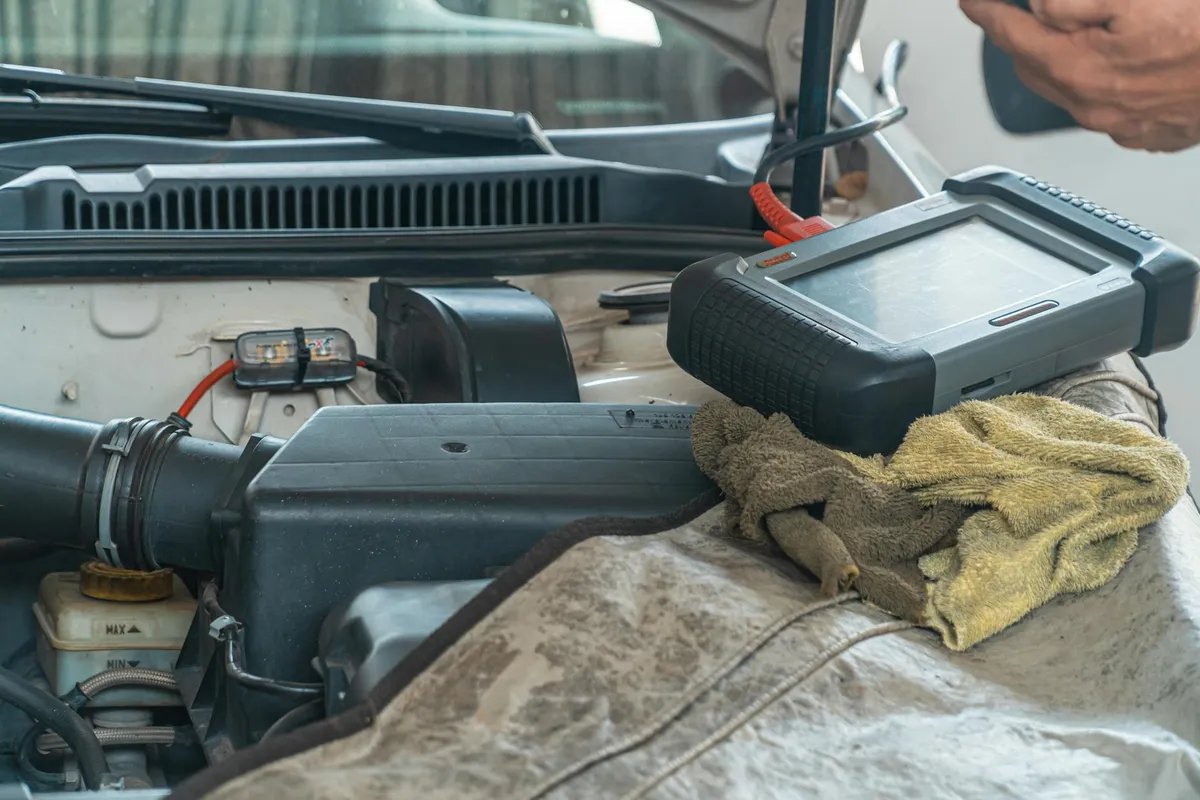
1. Smartphone-based diagnostic apps
Various smartphone apps and accessories claiming to provide HVAC diagnostic capability.
Why I gave up: Accuracy is variable. Sensor quality limited. Workflow integration awkward. The substantial professional tools cost more but produce reliable results.
What I tried: Various manufacturer apps with attached sensors. Specific HVAC diagnostic apps. Multi-purpose measurement apps.
What I do instead: Use professional dedicated tools. Smartphone for documentation and data review only.
2. Combined "all-in-one" diagnostic platforms
Specific products promising to consolidate multiple diagnostic functions into single platform.
Why I gave up: The all-in-one platforms typically excel at none of their functions. Specific dedicated tools produce better results in their specific applications.
What I tried: Various combined HVAC diagnostic platforms with multiple measurement types.
What I do instead: Use specific dedicated tools optimized for specific measurements.
3. Wireless sensor networks for short-term diagnostic measurements
Wireless sensor systems intended for diagnostic use rather than permanent installation.
Why I gave up: Setup overhead exceeds the time savings during diagnostic visits. Wired sensors and standalone loggers produce more reliable results.
What I tried: Various wireless sensor systems with claimed easy setup.
What I do instead: Standalone HOBO loggers for unattended measurement. Direct measurements with handheld tools for spot checks.
What separates the categories
The tools I use share characteristics:
Excel at specific measurements rather than promising broad capability.
Have predictable accuracy and operational characteristics.
Integrate with standard diagnostic workflows.
Have substantial track records of reliability.
The tools I gave up on share different characteristics:
Promise broad capability without excelling at specific functions.
Have variable accuracy or operational characteristics.
Require specific workflow adjustments.
Often have limited track records.
The pattern allows reasonable evaluation of new tools as they emerge.
What HVAC diagnosticians actually need
Effective HVAC diagnostic capability requires:
Accurate measurements across the parameters that matter (temperature, humidity, air velocity, particle counts, electrical current).
Continuous data capability for problems that don't appear during spot visits.
Documentation capability for findings that need communication.
Specific tools matched to specific common diagnostic challenges.
The capability isn't produced by any single tool. The combination of specific tools produces the necessary capability.
Investment in tools
Quality diagnostic tools represent substantial investment:
The five tools I use cost approximately $11,000 combined plus accessories.
Calibration and maintenance costs add substantial ongoing expense.
Replacement timelines vary but most tools last 5-10 years with proper care.
Total cost of diagnostic capability is substantial.
The investment pays back through better diagnostic results, faster work, and reduced callbacks.
For diagnosticians serious about their work, the investment justifies itself.
The skill question
Tools alone don't produce good diagnostics:
The same tools in different hands produce different results.
Diagnostic skill includes knowing when to use which tools.
Skill develops through experience. New diagnosticians benefit from working with experienced ones.
Specific manufacturer training programs build specific skills.
The combination of skill and tools produces effective diagnostics. Either alone is insufficient.
What's changed across my career
Diagnostic tooling has evolved across my twelve years:
Thermal imaging has become substantially more accessible. Quality cameras now cost what entry-level cost a decade ago.
Data logging has become more capable and less expensive.
Smartphone integration has improved (though I still use it cautiously).
Wireless protocols have matured substantially.
The improvements support better diagnostics overall, but the principle of selecting specific tools for specific tasks remains.
Recommendations for new HVAC technicians
For technicians building diagnostic capability:
Start with the basics. Quality multimeter, manometer, thermometer, and basic data logger cover most needs initially.
Build capability gradually. Add specific tools as you develop diagnostic patterns.
Buy quality. Cheap tools produce unreliable results. Quality tools last and produce defensible measurements.
Train with the tools. Capability comes from skill plus tools. Training matters substantially.
Focus on specific capabilities. Generalist tools produce generalist results. Specialized tools enable specialized capability.
The path to substantial diagnostic capability takes years. Patient capability-building produces better results than aggressive tool acquisition.
The maintenance of capability
Maintaining diagnostic capability requires:
Calibration of measurement tools at appropriate intervals.
Replacement of consumables (probes, batteries, filters).
Software updates for tools with software components.
Replacement of failed tools.
Continued training as new equipment and methods emerge.
The maintenance is part of professional practice. Capability decays without it.
The honest summary
Five tools earn their place in my field bag through consistent capability across diverse diagnostic situations. Three tool categories I tested and rejected because they didn't deliver capability matching their costs.
For HVAC technicians, the framework supports better tool selection. Specific capable tools beat aspirational comprehensive platforms.
For organizations equipping technicians, investing in capable tools produces better outcomes than spending equivalent amounts on less capable alternatives.
For diagnostic capability building, the framework suggests a development path. Master basic capability, then add specific specialized tools as patterns emerge.
The HVAC diagnostic tool market includes substantial marketing-driven products that don't deliver. Skepticism about new tools enables better decisions.
Quality tools, used skillfully, produce diagnostic capability that buildings benefit from. The capability is achievable through specific investments and sustained skill development.
Match the tools to the work. Use them skillfully. The buildings will be diagnosed effectively as a result.