
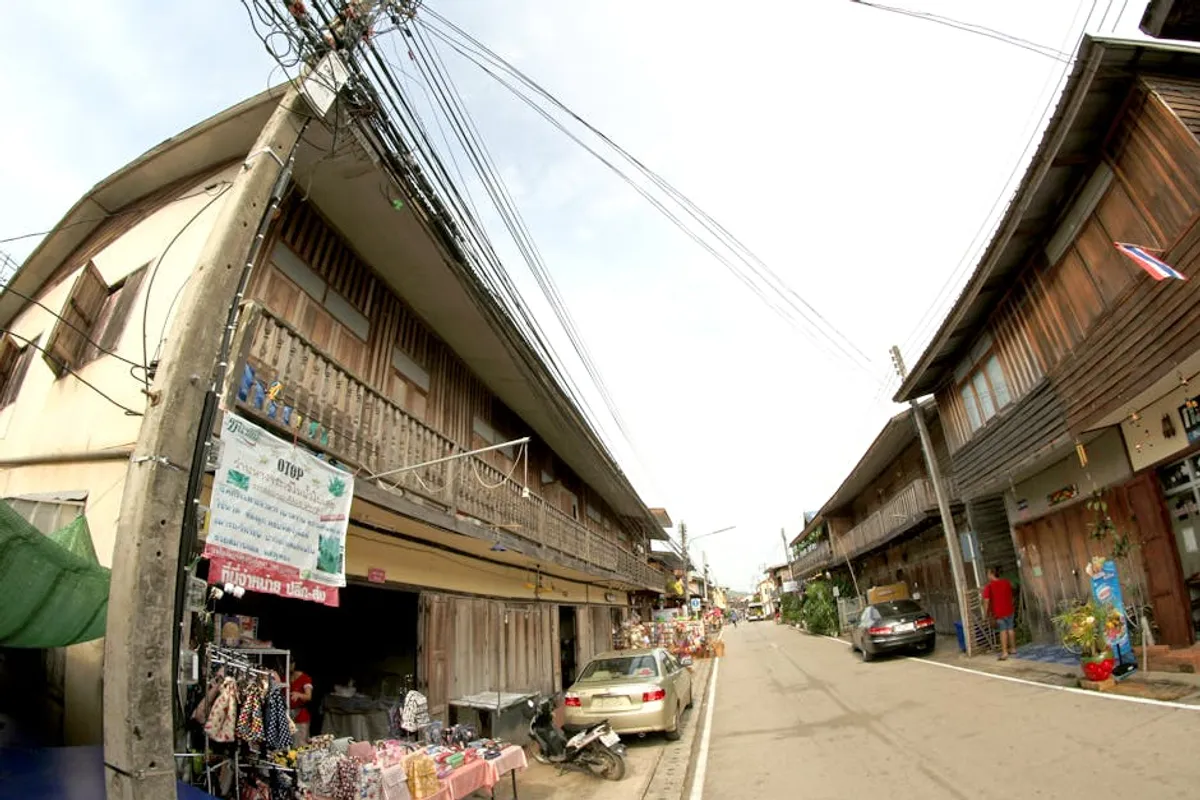
The interplay between local culture and creative communities forms a critical, yet often underestimated, dynamic for businesses and marketers aiming for authentic audience engagement and differentiated market positioning. Understanding how specific geographic and cultural contexts foster unique artistic expressions, innovations, and collaborative networks provides a strategic lens for content development, local SEO, and brand storytelling. This insight moves beyond generic demographic targeting, offering a pathway to connect with audiences on a deeper, more resonant level by recognizing the specific cultural narratives, values, and aesthetics that define a region’s creative output.
Defining Local Culture and Creative Communities
To leverage these dynamics, a clear understanding of their components is essential. Local culture encompasses the shared values, traditions, historical narratives, linguistic nuances, social norms, and artistic heritage specific to a given geographic area. It is the collective identity that shapes how people perceive the world, interact, and express themselves.
Creative communities, in this context, are groups of individuals who actively produce original works, foster innovation, or develop unique expressions across various disciplines—be it visual arts, music, literature, design, culinary arts, or digital media. These communities are characterized by collaboration, mutual influence, and often, a shared commitment to pushing creative boundaries. Their output is not merely individual effort but a reflection of collective dialogue and environmental stimuli.
The Foundational Elements of Local Cultural Influence
Local culture exerts its influence through several interconnected mechanisms, each contributing to the distinct character of a region’s creative landscape:
- Shared Narratives and Identity: Local histories, folklore, myths, and collective experiences provide a rich thematic reservoir. Creators draw upon these narratives to craft works that resonate deeply with local audiences, imbuing their art with a sense of place and collective identity. This can manifest in recurring motifs, character archetypes, or specific historical interpretations within creative outputs.
- Resource Availability and Infrastructure: The presence or absence of local institutions—such as art schools, galleries, music venues, theaters, public workshops, or specialized material suppliers—directly impacts the types of creative practices that can flourish. Local funding opportunities, grants, and public art initiatives also play a significant role in nurturing specific creative fields.
- Social Dynamics and Networking: Proximity facilitates frequent interaction, collaboration, and peer review among creators. This fosters the formation of distinct artistic movements, subcultures, and mentorship relationships. These networks accelerate skill transfer, refine aesthetic standards, and amplify collective creative output.
- Economic Context and Patronage: The local economy dictates the viability of various creative professions and the forms of patronage available. A strong local tourism industry might support artisans, while a vibrant tech sector could foster digital art or interactive media. The willingness of local businesses and individuals to invest in arts and culture directly shapes the creative ecosystem.
- Regulatory Environment and Policies: Local government policies, such as zoning laws for artist studios, public space utilization for performances, or cultural heritage preservation efforts, can either encourage or constrain creative development. Supportive policies can create fertile ground for creative communities to thrive.
Impact on Creative Output and Commercial Value
The direct result of local cultural influence is a distinctive creative output that holds inherent commercial value and strategic potential for businesses.
Distinctive Styles and Themes: Local culture often leads to unique artistic forms, musical genres, literary themes, or design aesthetics. Consider the distinct sound of Nashville country music, the vibrant street art of Berlin, or the specific culinary traditions of New Orleans. These aren't accidental; they are products of deeply embedded local cultural factors.
Audience Connection and Authenticity: Creative work rooted in local culture resonates more profoundly with local audiences because it speaks to their lived experiences and shared identity. For businesses, aligning with or drawing from these authentic expressions offers a powerful way to build trust and emotional connection, moving beyond generic marketing messages.
Niche Market Development: Specific cultural expressions can cultivate dedicated niche markets. A local craft fair showcasing unique regional artistry, a music festival celebrating a particular local genre, or a literary magazine focusing on regional narratives can attract highly engaged audiences and consumers who value authenticity and local distinctiveness.
Tourism and Economic Development: Creative communities drawing from local culture often become significant cultural attractions, driving tourism and boosting local economies. Cities like Austin (music), Santa Fe (art), or Portland (crafts) demonstrate how creative scenes, deeply tied to local identity, can become economic engines.
Brand Storytelling and Local SEO: Businesses can leverage these cultural elements for more authentic brand narratives. Integrating local cultural references, partnering with local artists, or sponsoring local cultural events can significantly enhance brand relevance and visibility within local search results, signaling genuine community engagement to search engines and local consumers alike.
Pro Tip: When engaging with local creative communities or leveraging local culture in marketing, authenticity is paramount. Inauthentic appropriation or superficial engagement can backfire, eroding trust and damaging brand perception. Genuine participation and respect for cultural nuances are essential.
Strategic Integration of Cultural Insights
For SEO professionals, marketers, and site owners, understanding how local culture shapes creative communities translates into actionable strategies:
Content Strategy Development: Create content that reflects local narratives, slang, humor, historical references, or artistic styles. This could involve blog posts about local artists, videos exploring regional traditions, or social media campaigns using locally relevant hashtags and imagery. Such content naturally attracts local audiences and can improve local search rankings by demonstrating relevance to a specific geographic context.
Partnerships and Collaborations: Forge alliances with local artists, musicians, writers, cultural institutions, or community organizations. Sponsoring a local art exhibit, commissioning local talent for marketing materials, or co-hosting cultural events can embed a brand within the community's creative fabric, generating authentic buzz and valuable backlinks from local cultural sites.
Event Marketing and Local Engagement: Participate in or sponsor local cultural festivals, art walks, music performances, or literary readings. These events offer direct engagement opportunities with the target audience and provide rich content for local SEO efforts, including event schema markup and local directory listings.
Audience Segmentation and Messaging: Identify specific cultural groups or creative sub-communities within a local area and tailor marketing messages to resonate with their unique values and interests. This precision targeting ensures that marketing efforts are not only seen but also felt by the intended audience.
Local SEO Signal Enhancement: Beyond keywords, engage with local influencers who are part of these creative communities. Develop content that answers local queries related to cultural events, artistic venues, or creative services. Ensure Google My Business profiles reflect community involvement and highlight any locally relevant cultural offerings.
By recognizing and respecting the profound influence of local culture on creative communities, businesses can unlock new avenues for authentic connection, distinctive branding, and sustainable growth. This approach moves beyond transactional marketing, building relationships rooted in shared identity and mutual appreciation.
Frequently Asked Questions
How can businesses identify local creative communities?
Begin by researching local art councils, cultural heritage organizations, community centers, and university arts programs. Attend local art fairs, music festivals, open mic nights, and gallery openings. Online, explore local social media groups, forums, and hashtags dedicated to regional arts and culture. Engaging directly with local artists and cultural leaders can also provide invaluable insights.
What are the risks of misinterpreting local culture in marketing?
Misinterpretation can lead to cultural appropriation, tokenism, or the reinforcement of harmful stereotypes. This can alienate local audiences, damage brand reputation, and result in public backlash. It is crucial to conduct thorough research, consult with community members, and ensure that any cultural references are used respectfully and authentically.
Can digital communities also be shaped by local culture?
Yes, even digital communities often reflect and amplify local cultural nuances. Online groups, forums, and social media conversations can develop their own localized slang, inside jokes, and shared references that stem from the physical culture of their members. These digital expressions can then further influence local creative output and community identity.
How does local culture impact content creation for SEO?
Local culture provides unique keywords, topics, and thematic angles that can significantly enhance local SEO. Content infused with local cultural references, historical context, or community-specific events is more likely to rank for relevant local searches, attract local backlinks, and resonate with a geographically targeted audience, improving engagement metrics.